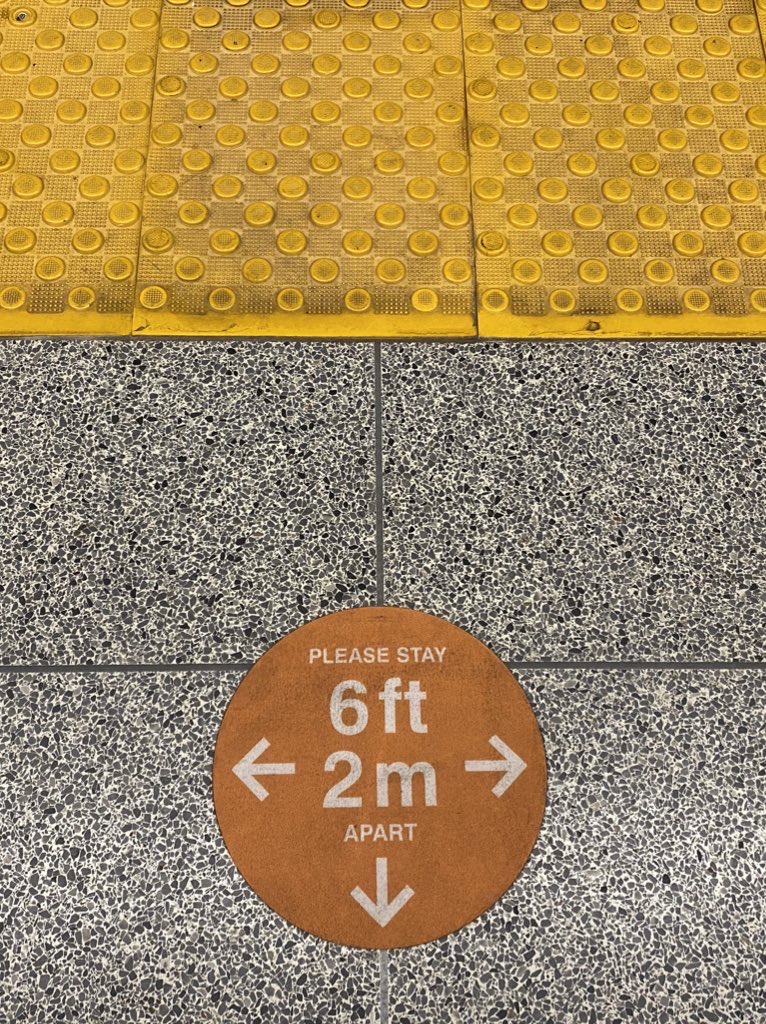
On Thursday, I took the subway for the first time since Ontario declared a state of emergency in March. I entered Queen Station at 9:45 that morning, and rode to Wilson Station. The subway ride north was noticeably quiet, and I had a good choice of seats, even though most were marked as restricted for physical distancing.
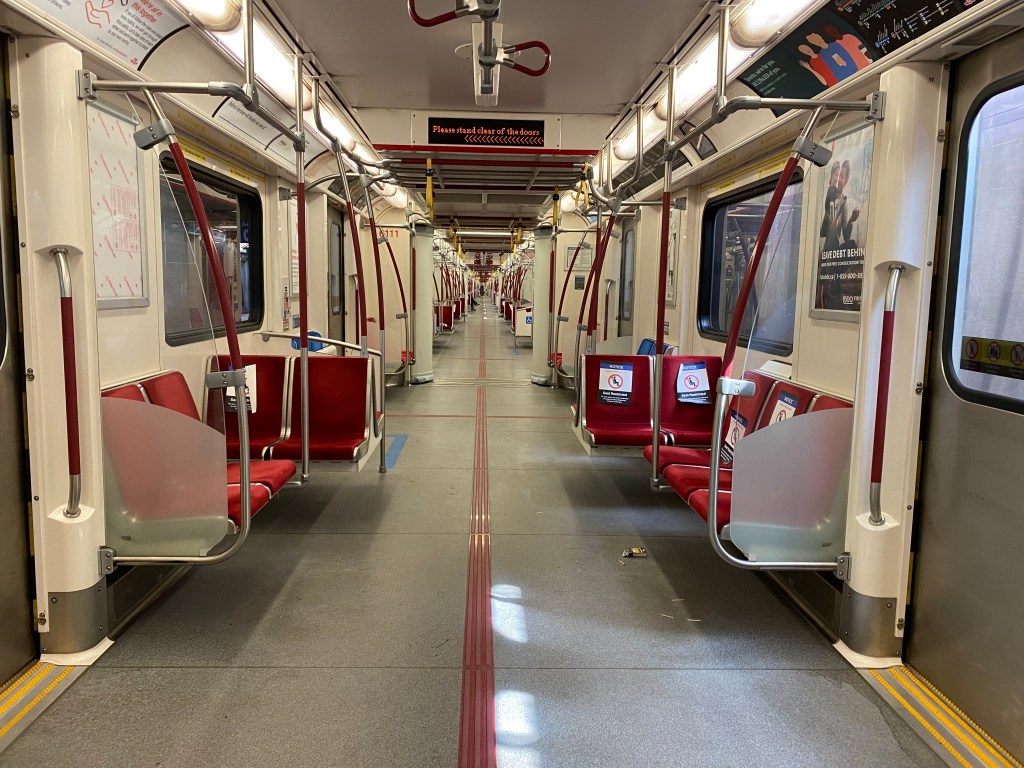
On my return home, at 4:00 PM, the subway was busier, but still quiet enough to take a seat in the middle of the train, while just about everyone had a non-restricted seat through the downtown core. That never happened prior to March 13.
As I am used to crowded subway trains — even on Sunday mornings — my first subway rides in months proved to be a surreal experience. Though as most passengers were wearing face coverings and keeping distance, it felt safer and more comfortable than many of my recent supermarket trips.
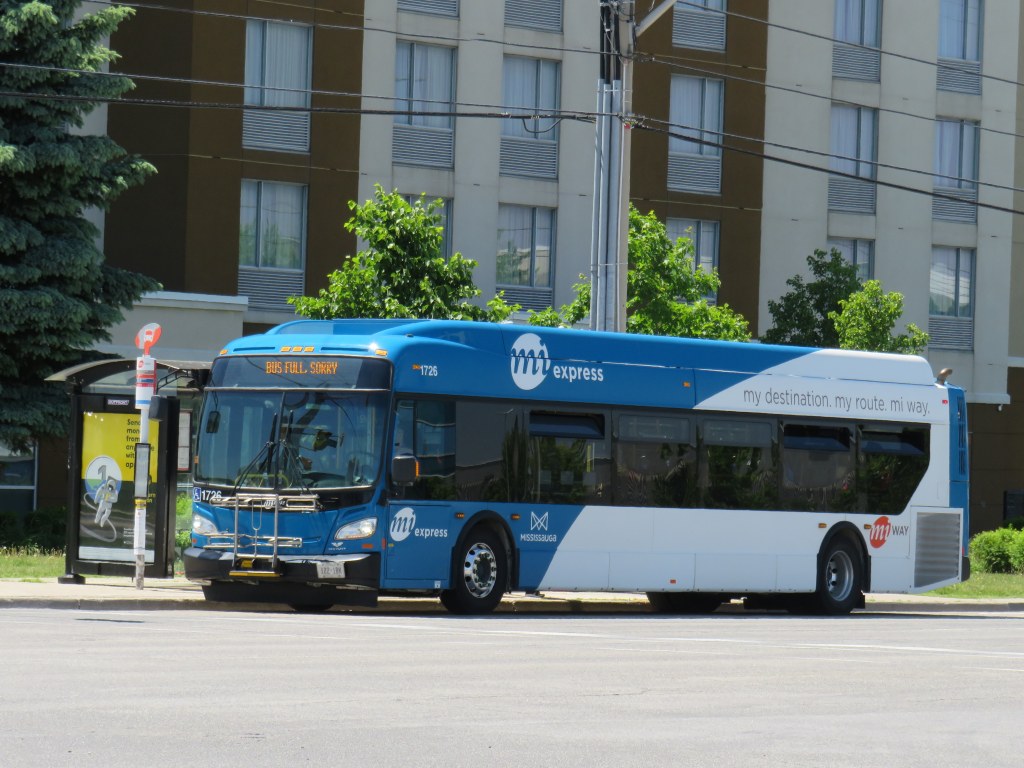
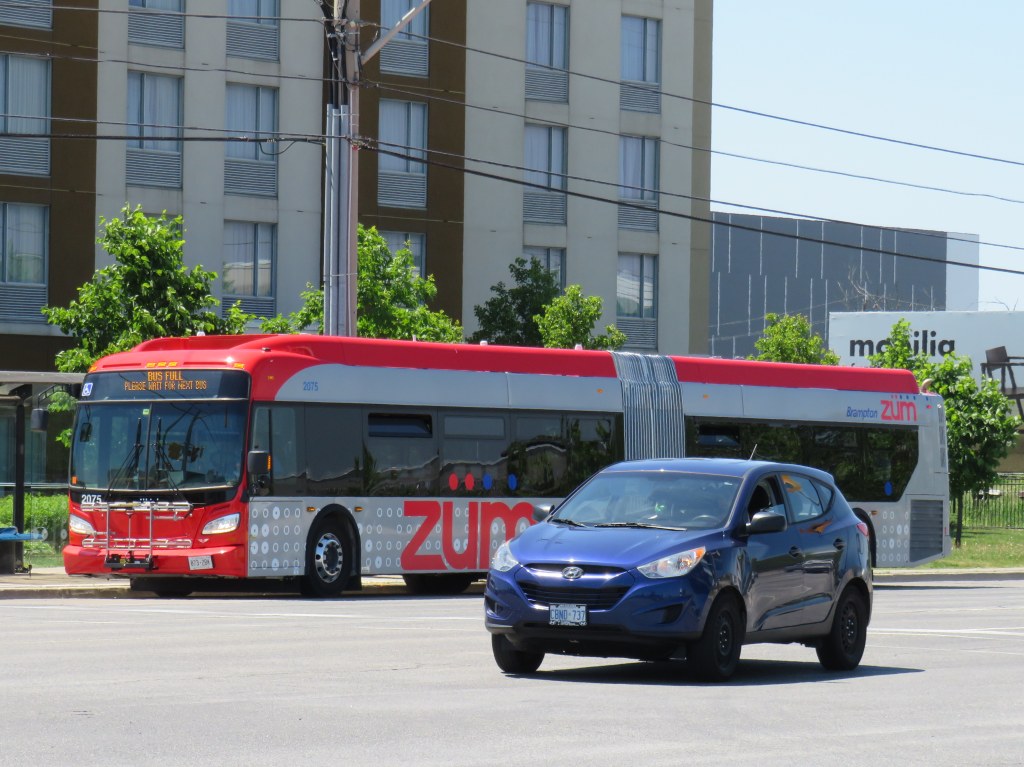
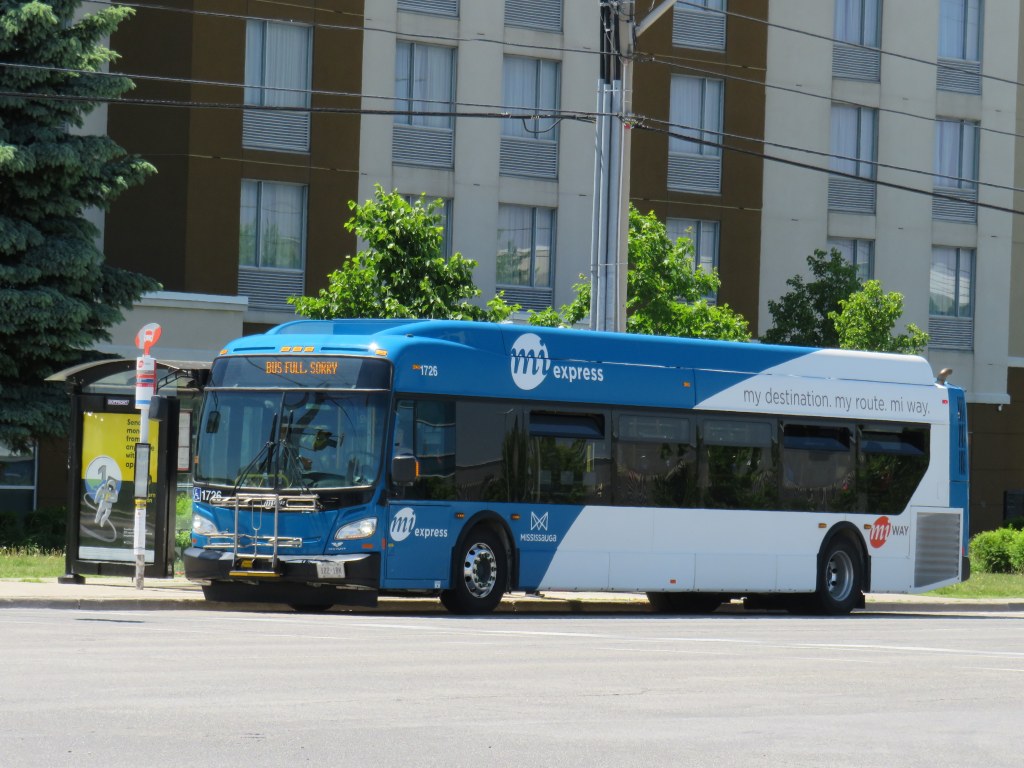
Though subways are mostly empty, and streetcars pass through downtown with only twenty percent of their normal ridership, things are very different on the buses. In Toronto, Brampton and Mississauga, vehicles regularly bypass crowds of waiting passengers while displaying a “sorry bus full” sign.
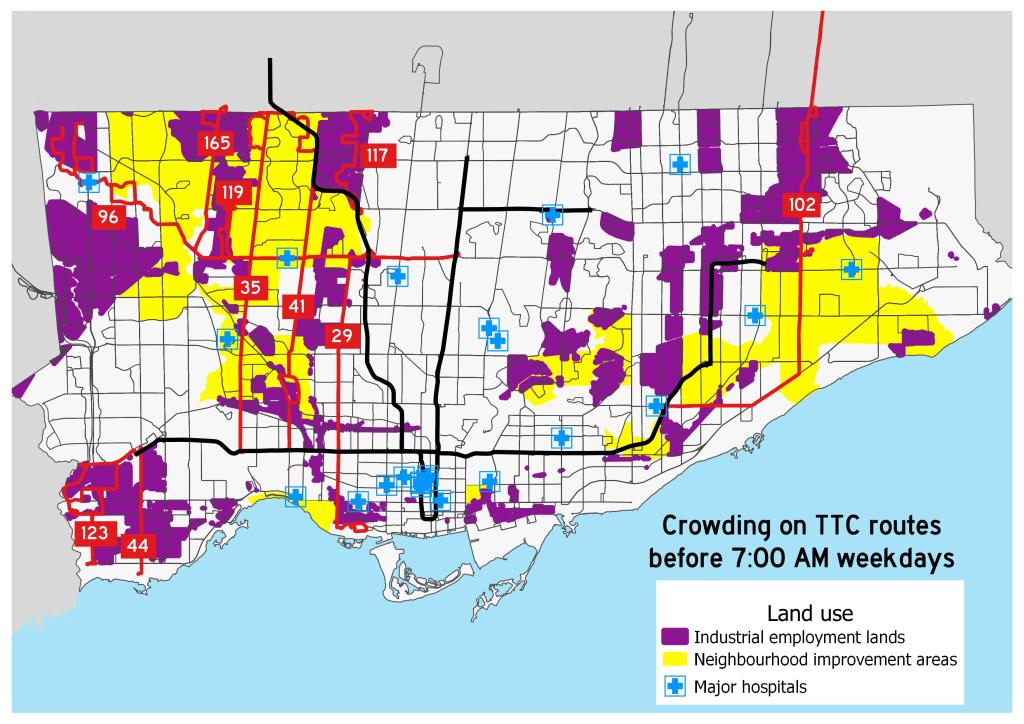
Back in March, I mapped the TTC’s most crowded early morning routes. These ten routes were generally located in Toronto’s suburbs, serving employment lands and neighbourhoods with lower incomes and higher proportions of racialized persons. Brampton and Mississauga, which also have large food production and warehousing industries and significant immigrant and racialized populations, are experiencing similar problems with crowding.
All buses only allow passengers to enter through the rear doors, with many seats marked restricted with paper signs similar to those on the subway. The area behind the driver is closed off as well. While the TTC expect riders to tap their Presto cards at the rear or pay by cash or ticket at a subway station, Brampton, Mississauga, and other systems are permitting free rides for now.
A typical TTC bus contains only 33-36 passenger seats; an articulated (“bendy”) bus has 46. The TTC operators’ union instructed its members to allow only 10 customers aboard a standard bus (though the operator has discretion), and 15 aboard an articulated bus. Transporting that few people on each bus is unsustainable, and with tens of thousands of essential workers relying on the TTC to get to work — many of those jobs difficult and poorly-paying — it’s yet another inequity laid bare by this pandemic.
With loosening restrictions, the demand for transit has already begun to increase. By early July, local transit agencies will require all passengers to wear masks or face coverings. At the same time, passengers will be directed to enter buses through the front doors, while reinstating mandatory fare payment.
Meanwhile, Brampton Transit — which was operating on a modified weekend schedule since March — is restoring some of its weekday service on Monday June 15 to meet re-surging demand, while Mississauga increased service levels on June 1. Brampton, Mississauga and Toronto will require masks or face coverings on transit starting July 2.
While Brampton plans to hand out 100,000 free non-medical masks to its transit users, the TTC plans to give out one million disposable masks, specifically targeting lower-income neighbourhoods where transit demand remains high.
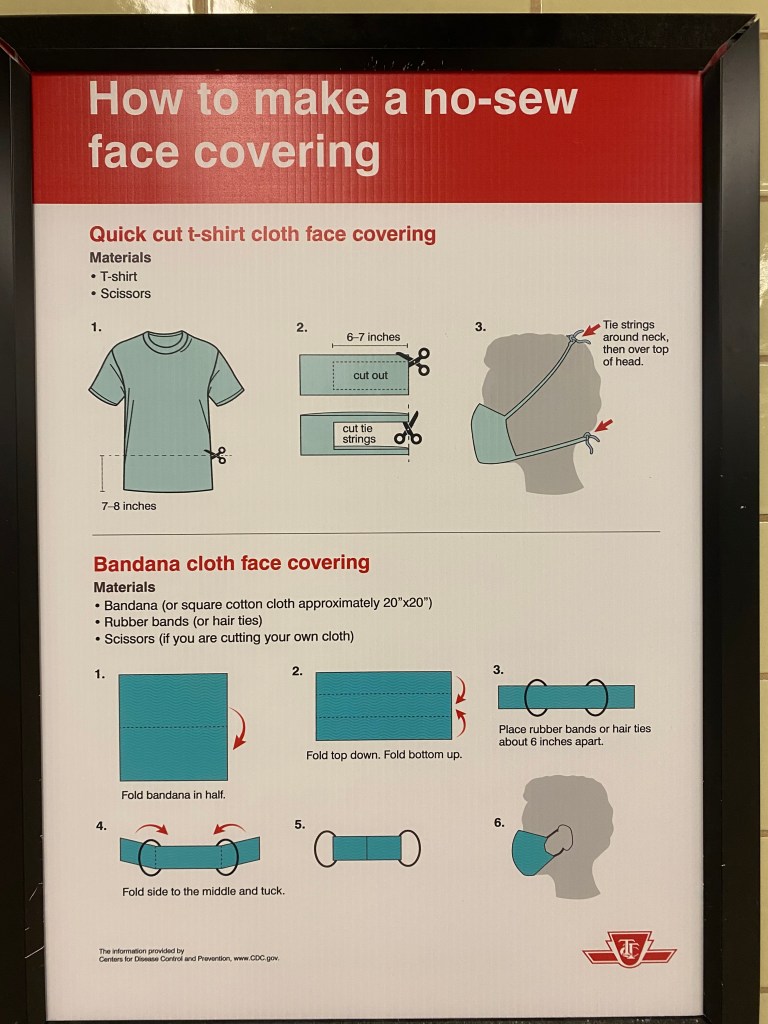
Front-door boarding and mandatory mask use will help with some of the capacity issues on buses. Offering free masks is a welcome acknowledgement that many who have taken transit may not have money or time to purchase or make their own face coverings. (The TTC has instructions on how to make rudimentary masks posted in subway stations.)
Even then, bus capacity will continue to be limited to ensure physical distancing, and buses will likely still pass by crowds of waiting customers.
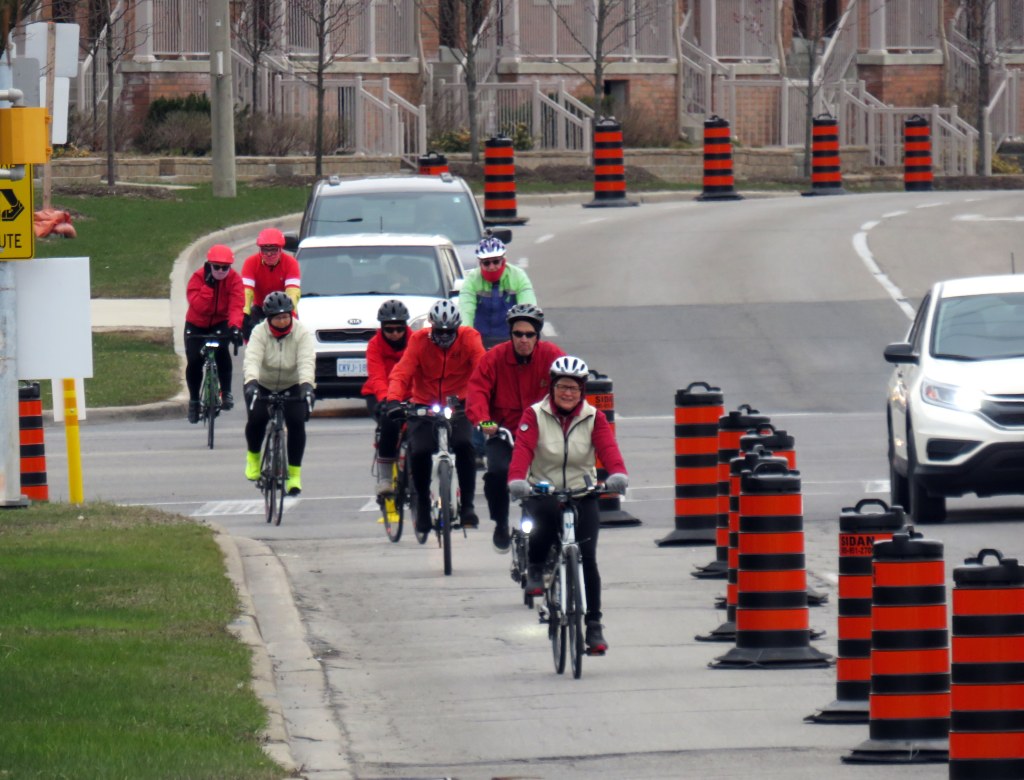
While central Toronto benefits from walkable neighbourhoods, existing and new cycling infrastructure, and subways and streetcars with more capacity to spare, suburban residents will still have to rely on buses. Though I see mandatory mask use as a necessary step towards mitigating the risk of viral transmission, I fear it may not be enough for those who work at hospitals and clinics, food plants and warehouses, and grocery stores, restaurants, nursing homes, and daycares.
Bus riders deserve better.

 The flag of the City of Toronto, designed by Renato De Santis, is an example of a very good civic flag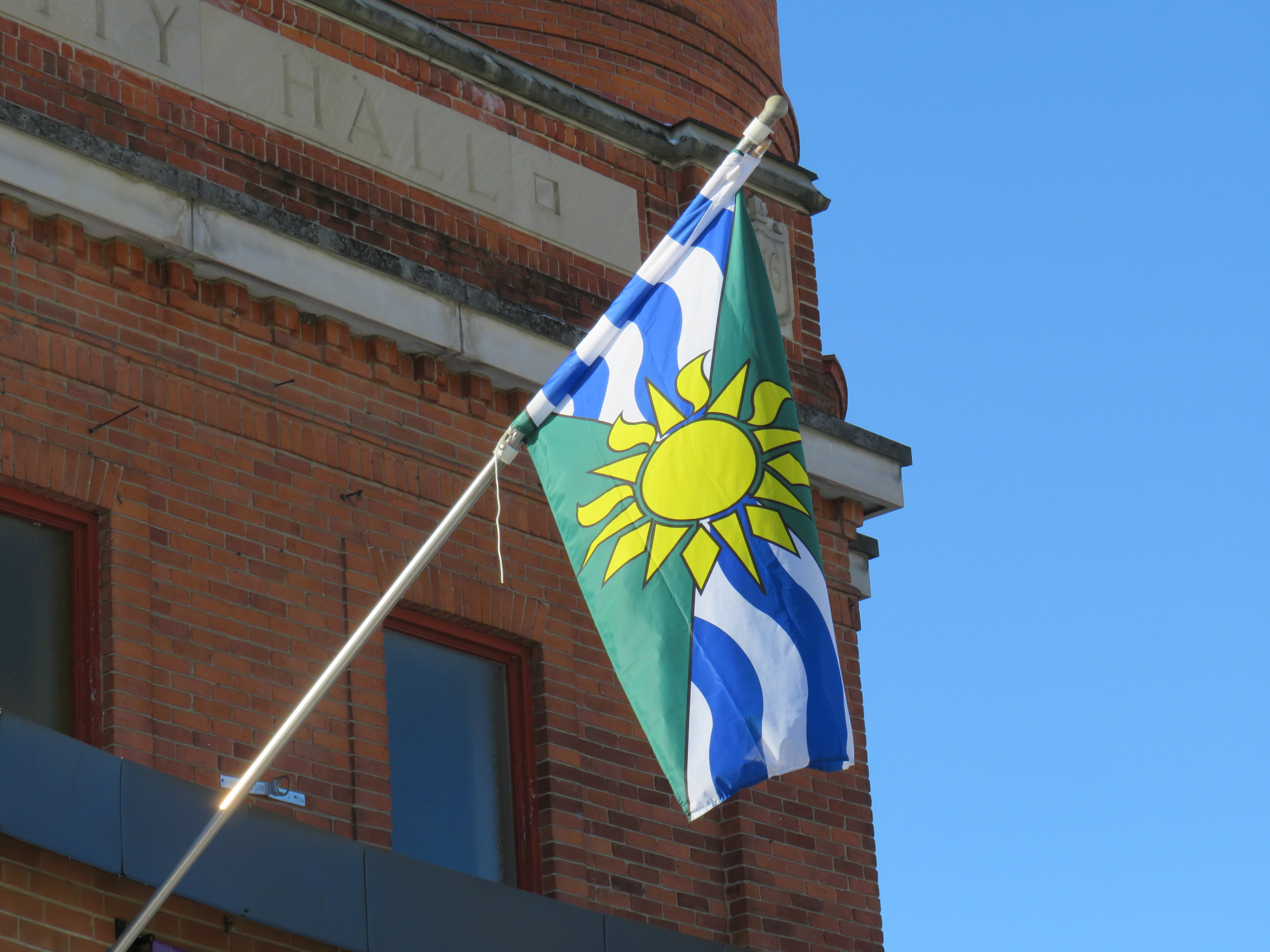
















 The former flag of Pocatello, Idaho
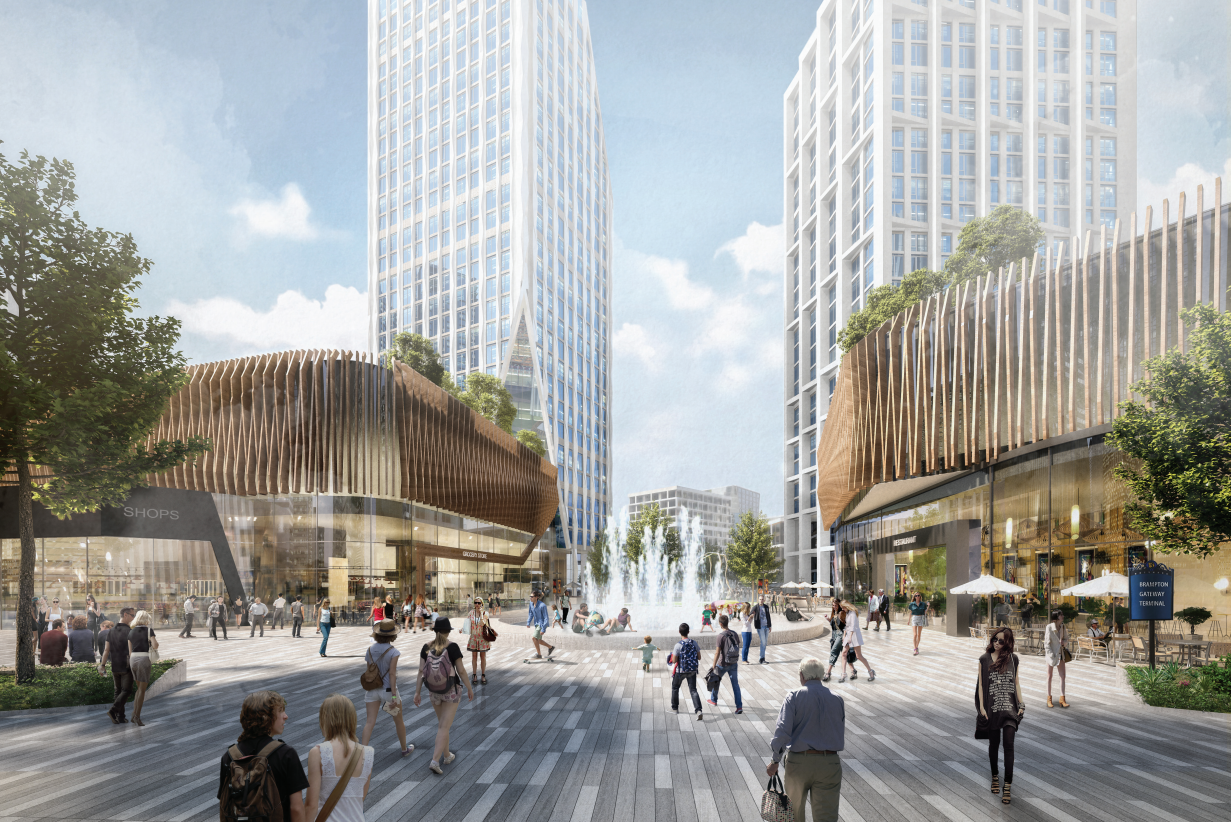

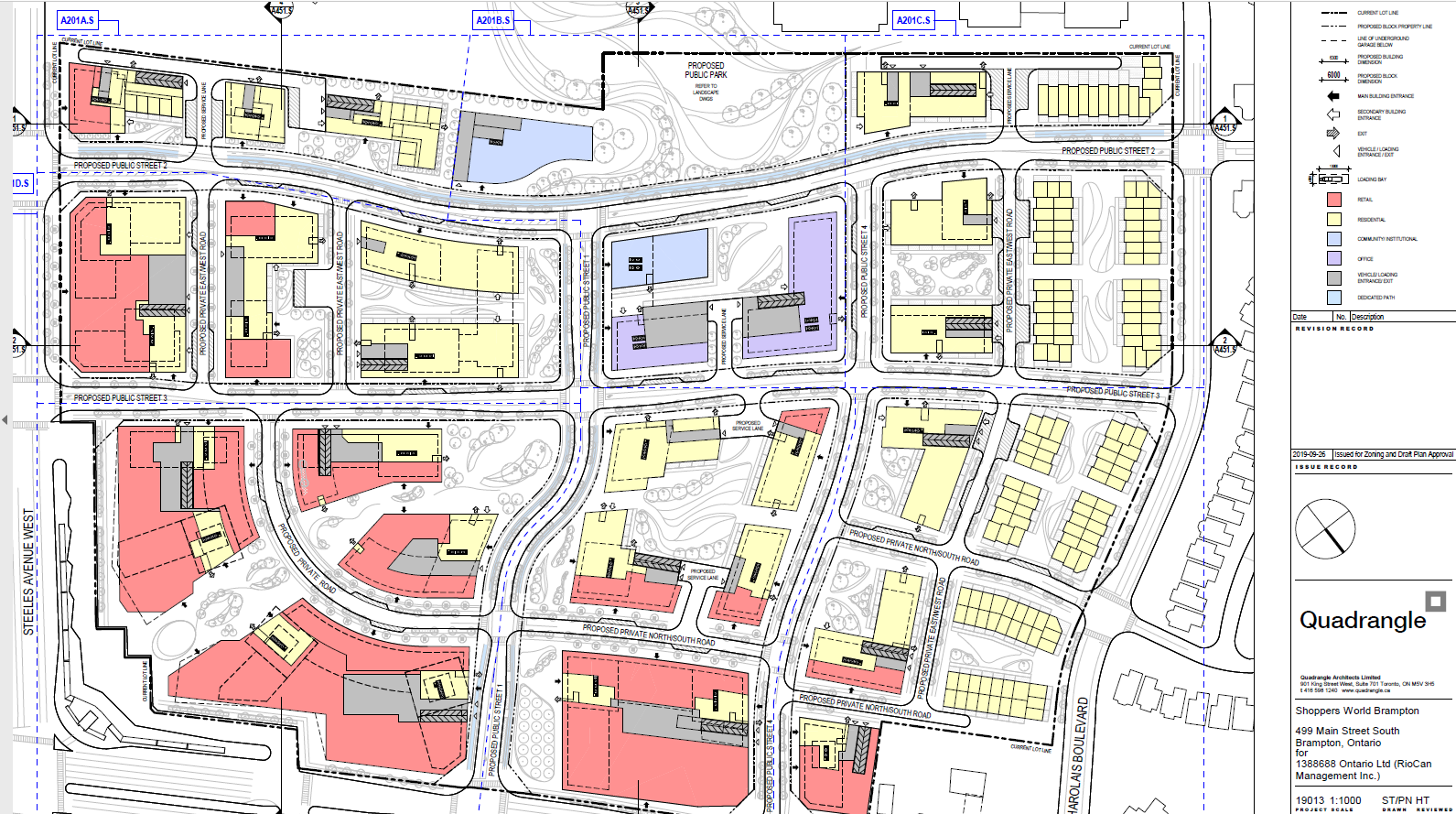
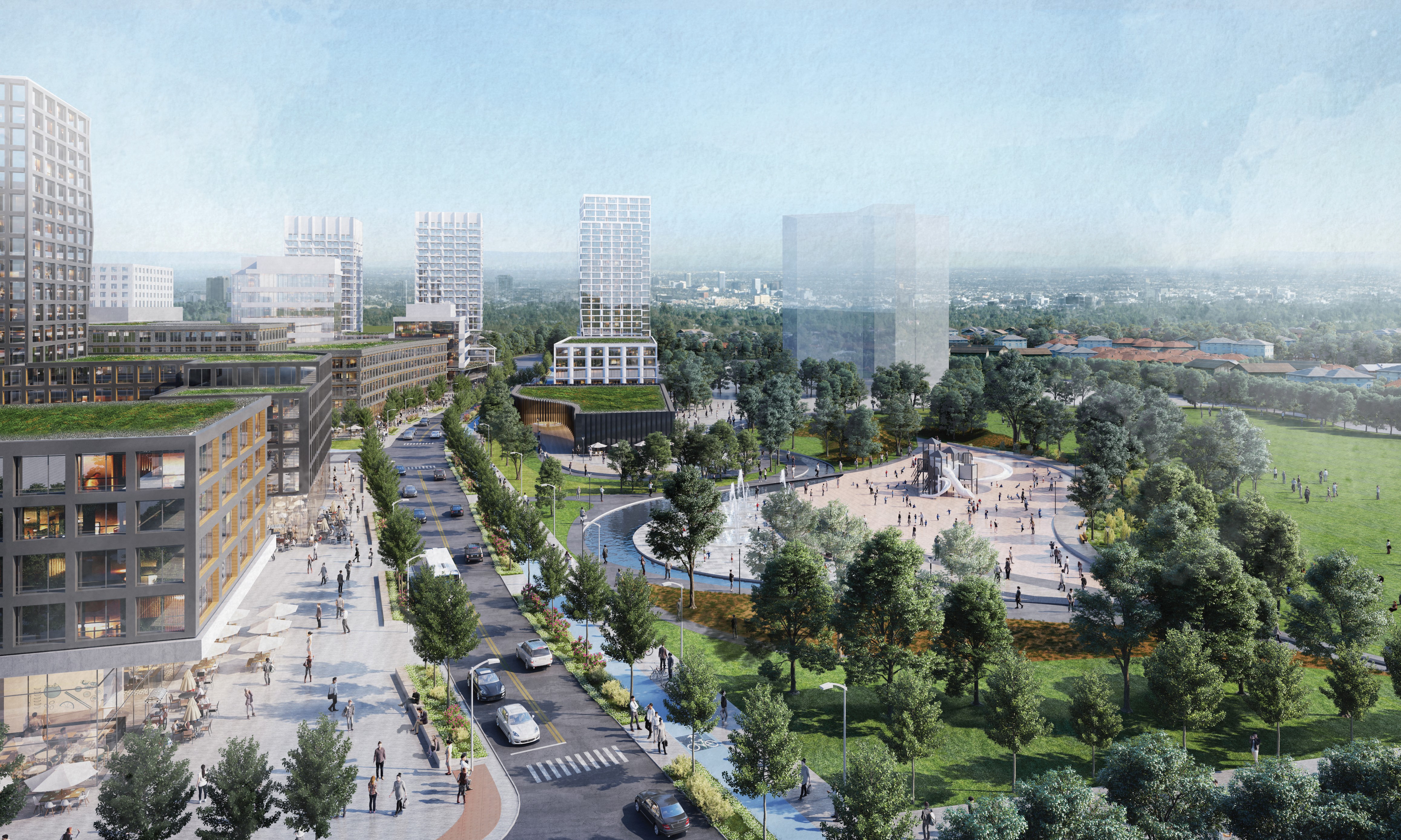 Looking south on Mill Street towards the park expansion and Steeles Avenue. The first phase tower is shown in the middle background.
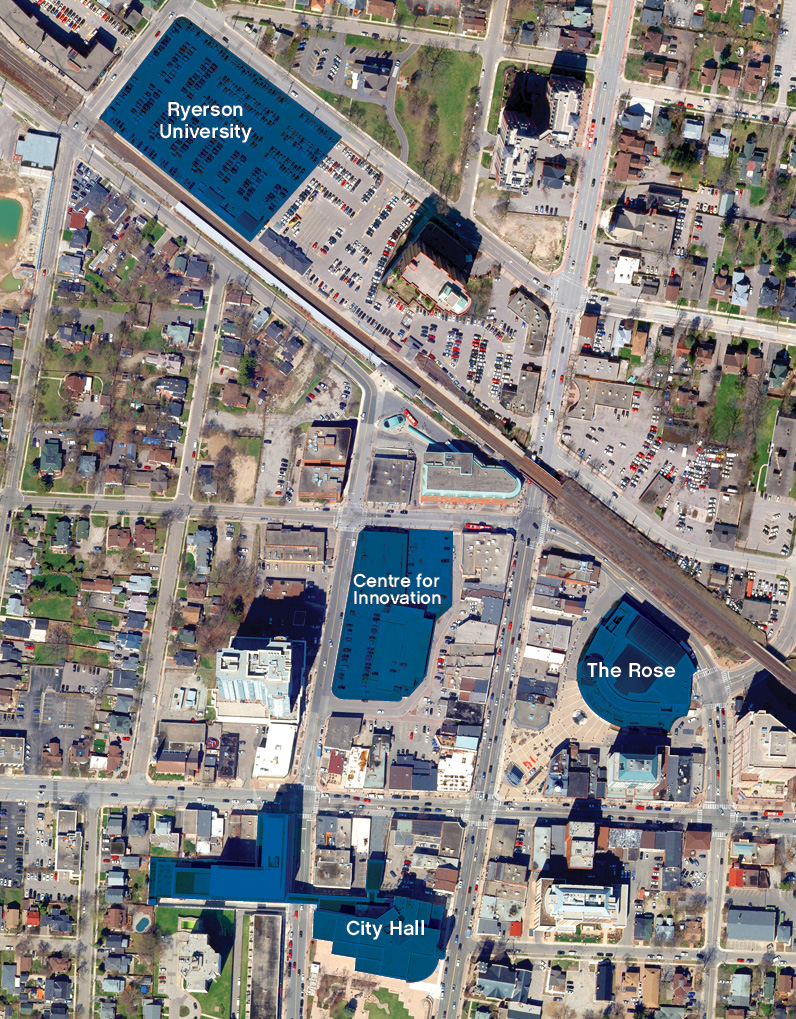 Previous plans for Downtown Brampton, including the Centre for Innovation and the Ryerson campus on the GO Transit lot. Replacement parking would be built on land assembled south of the rail corridor.
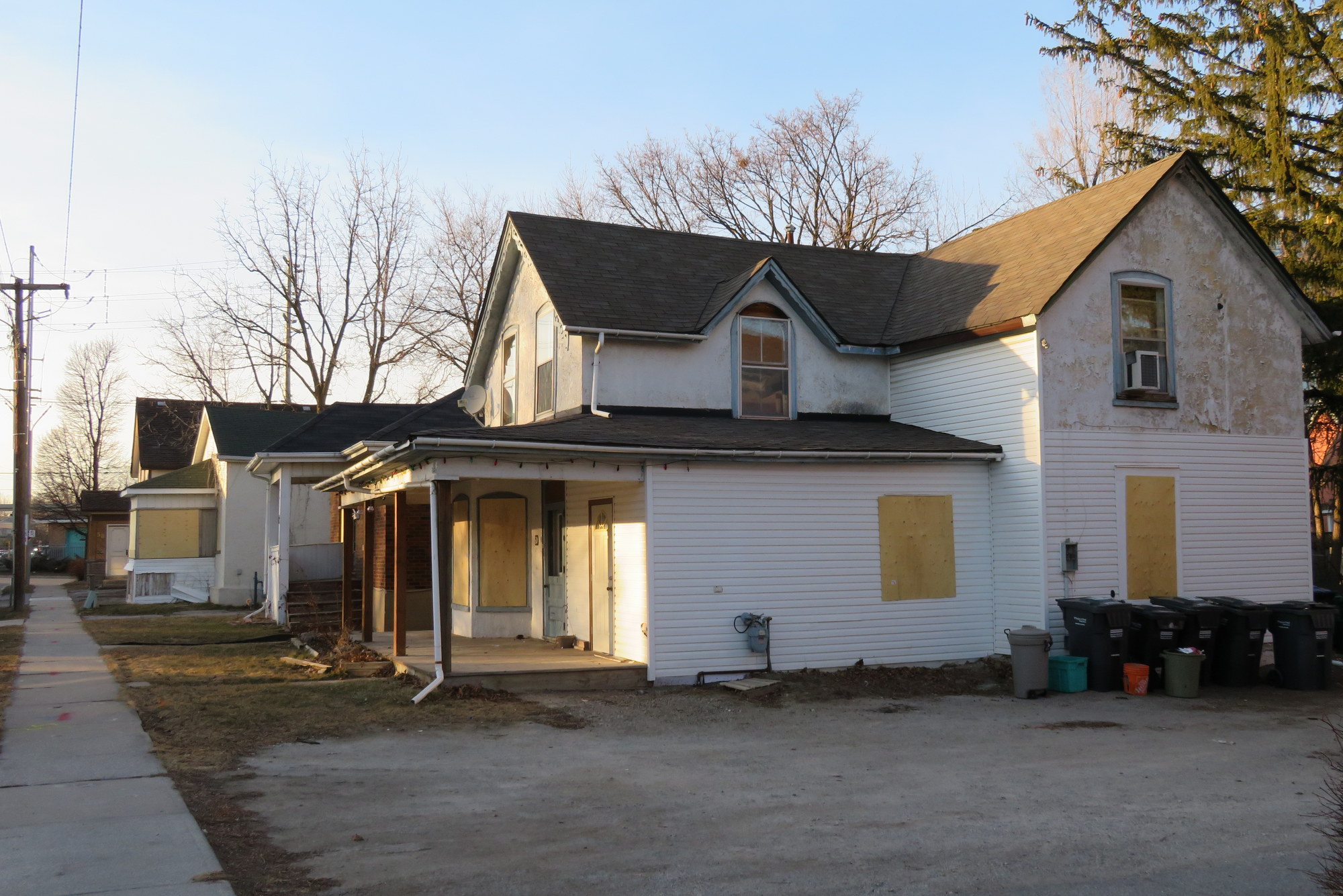
 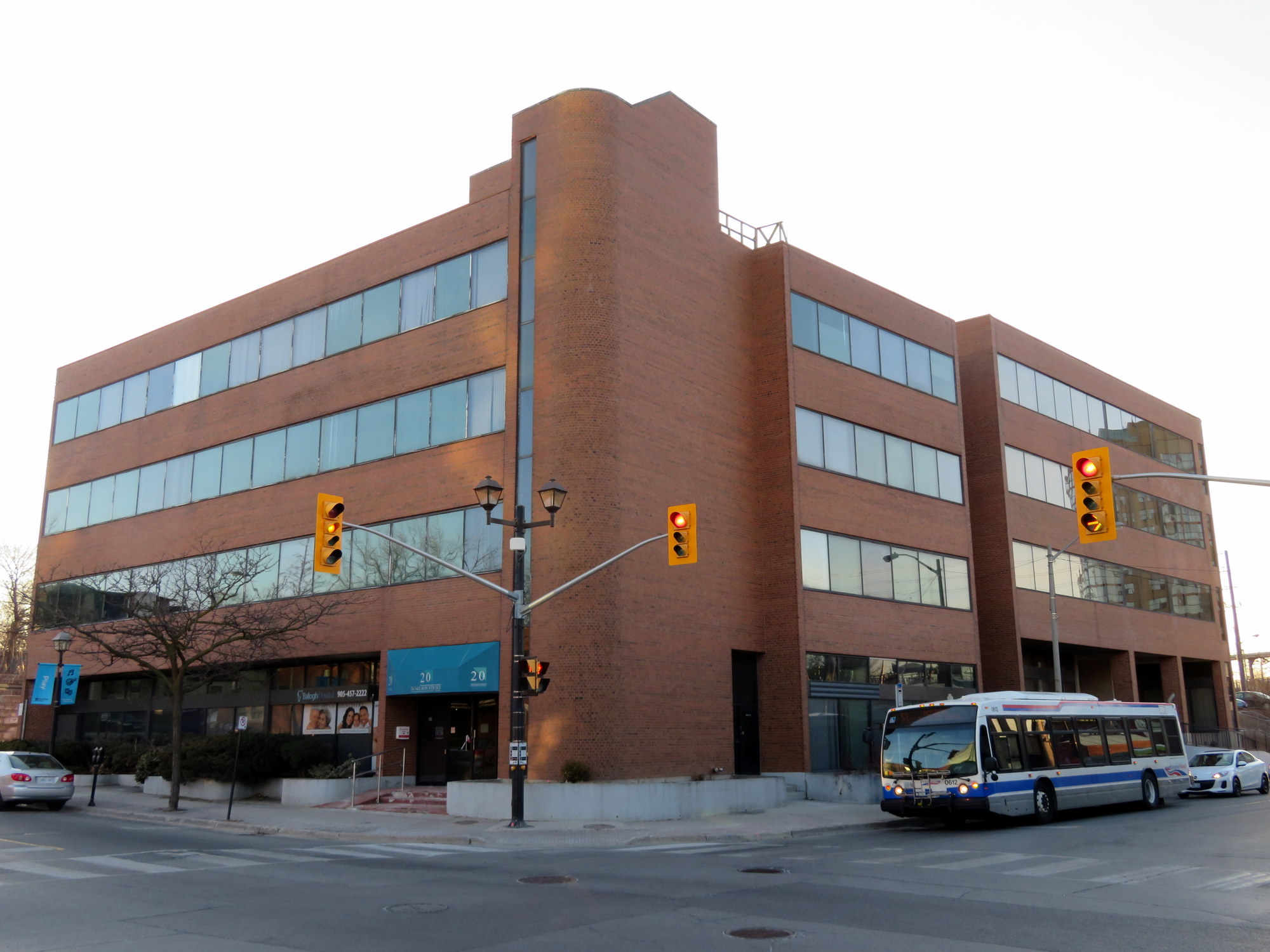 Vacated office buildings at George and Nelson Streets that may see new life under the city’s new plans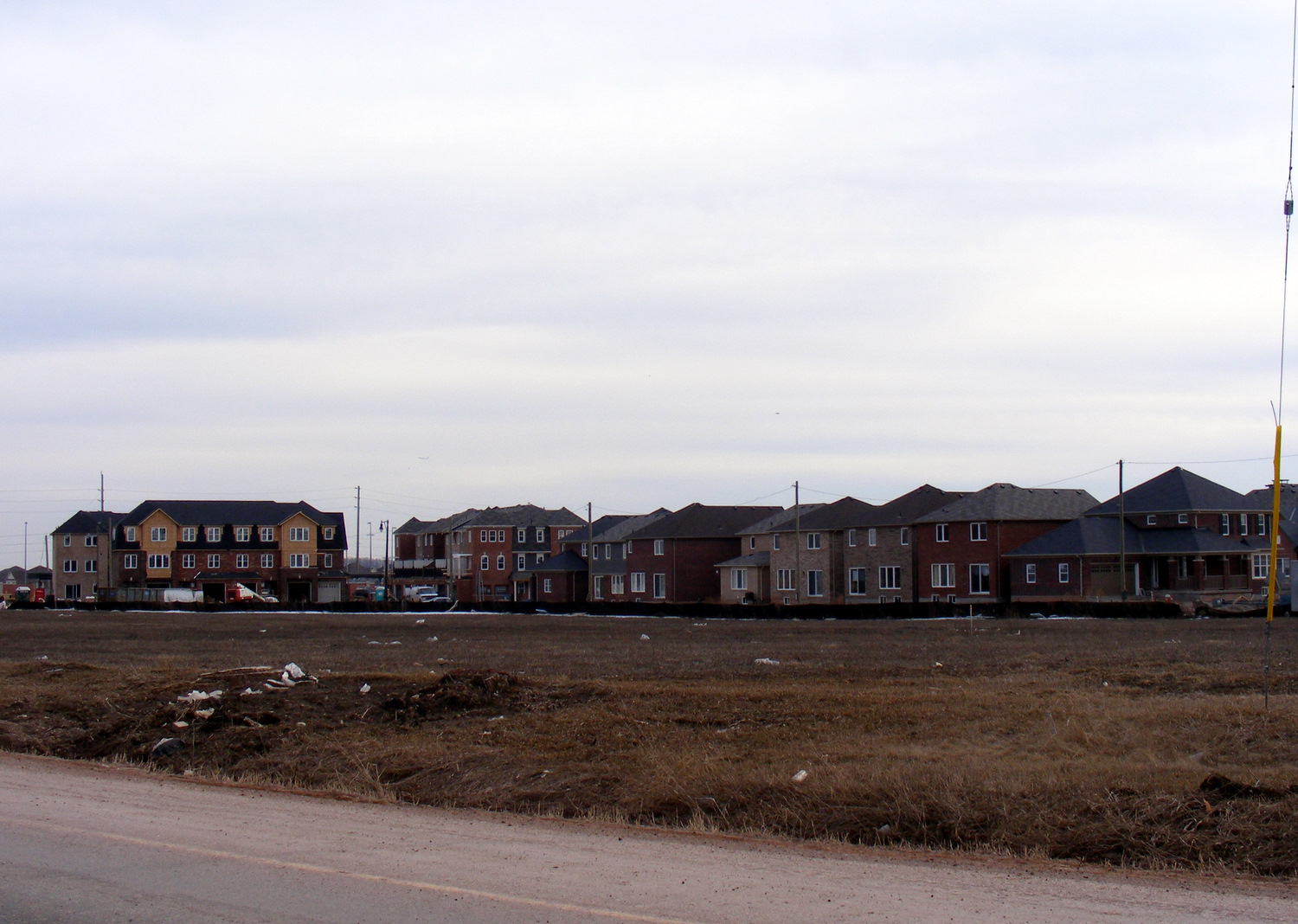
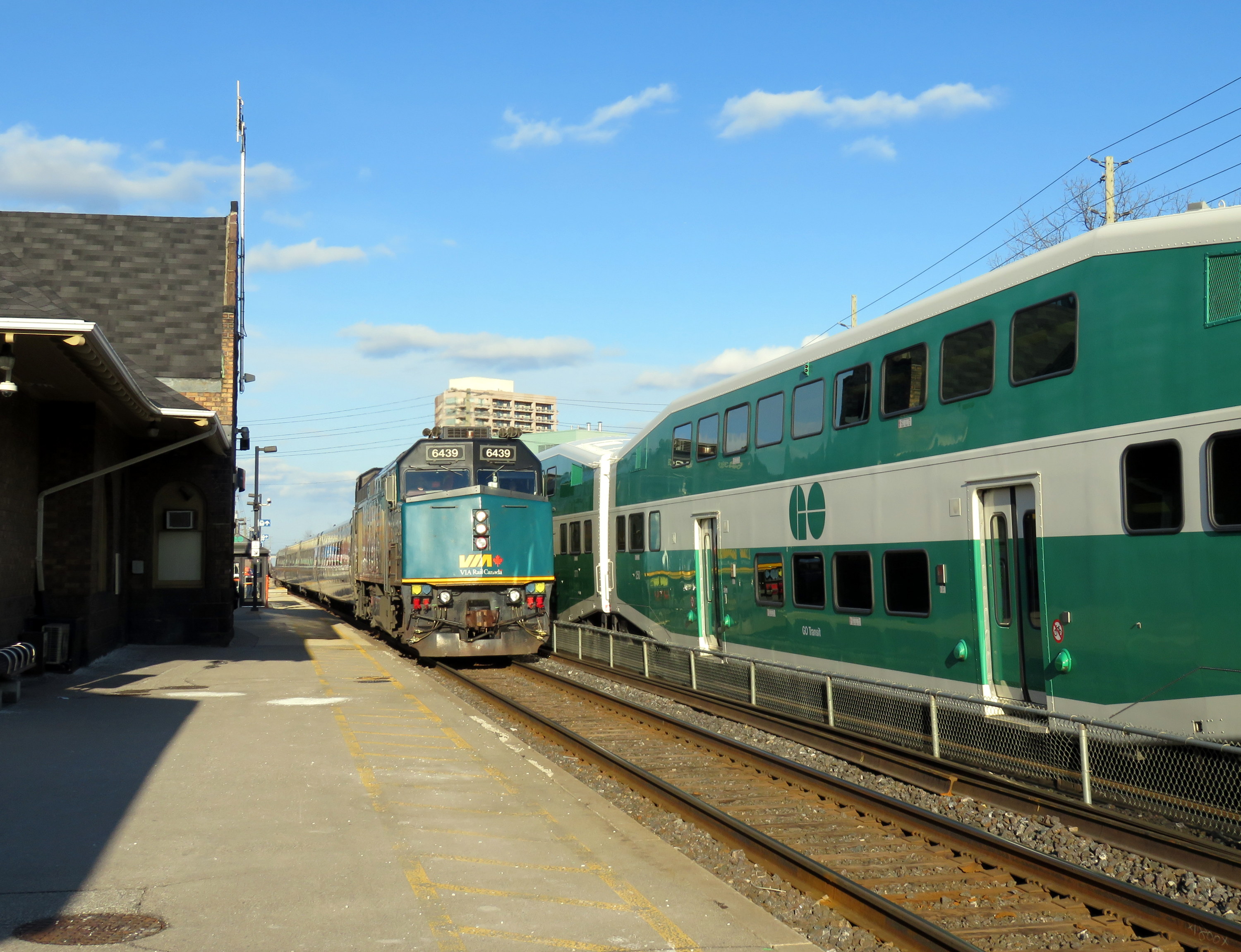
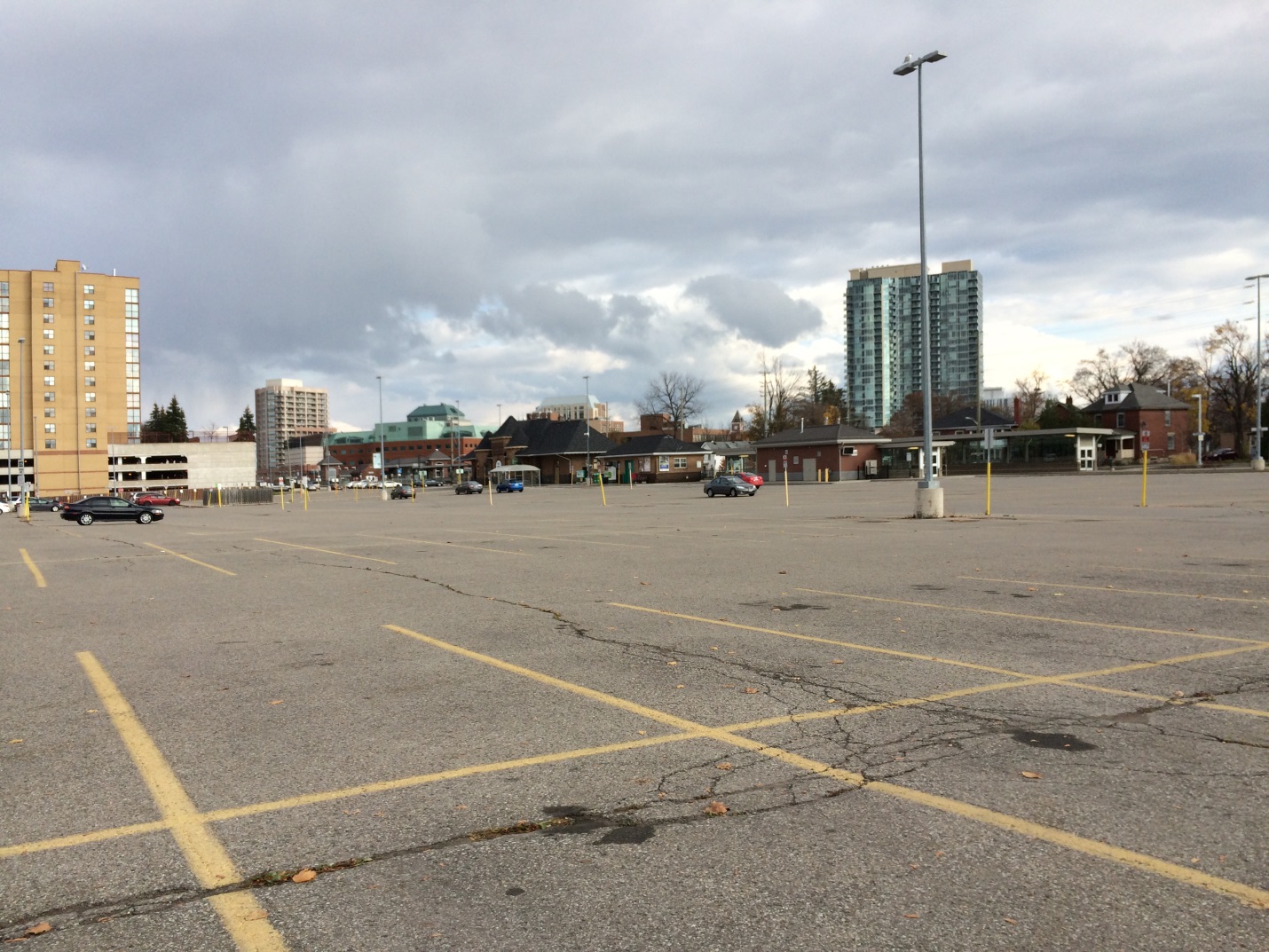 The existing GO Transit lot at Brampton Station, where the Ryerson University/Sheridan College campus was planned
