Tag: COVID-19

  • All stick, no carrot: the problem with the city’s response to physical distancing

    All stick, no carrot: the problem with the city’s response to physical distancing

    IMG_8327
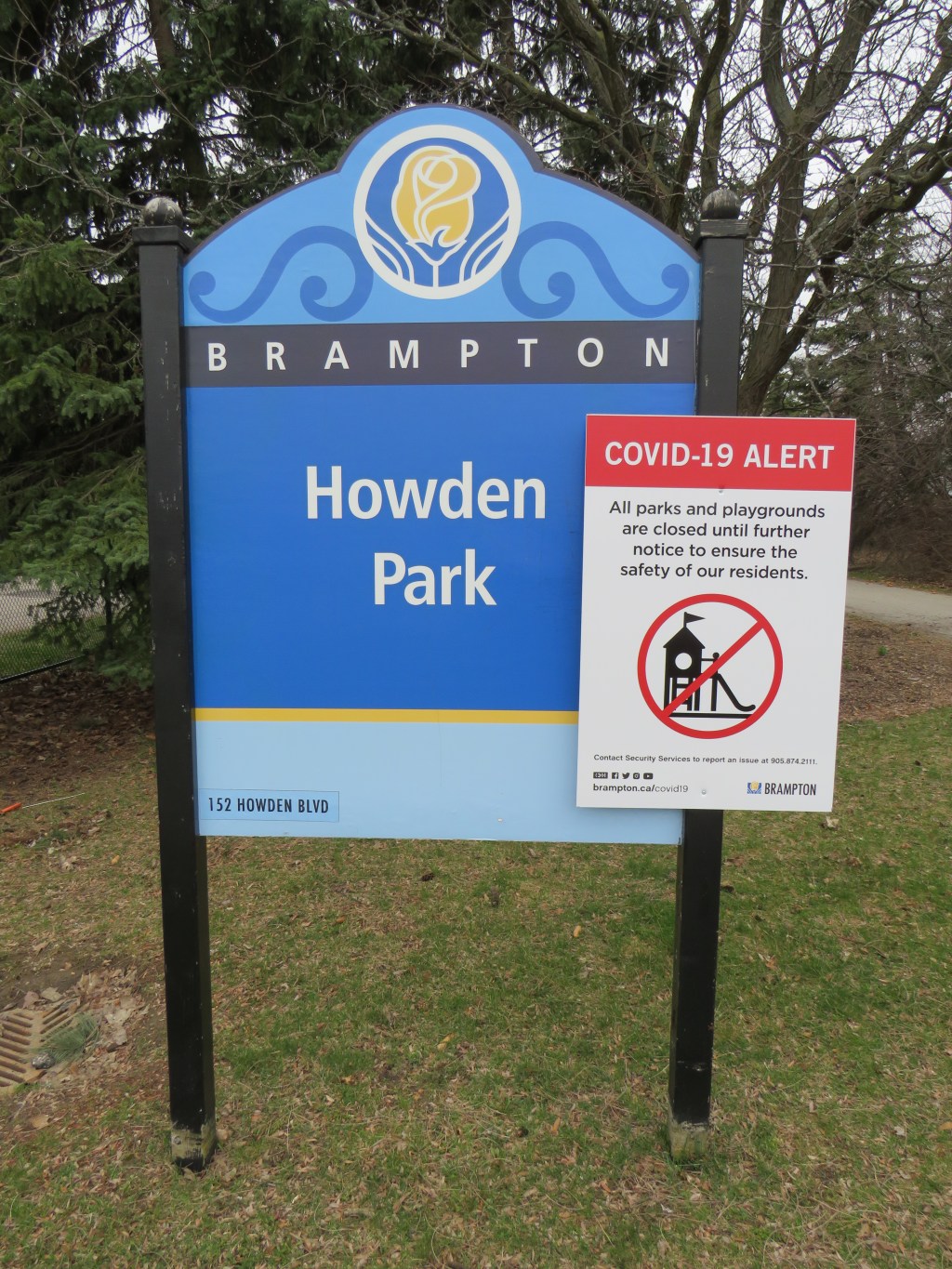
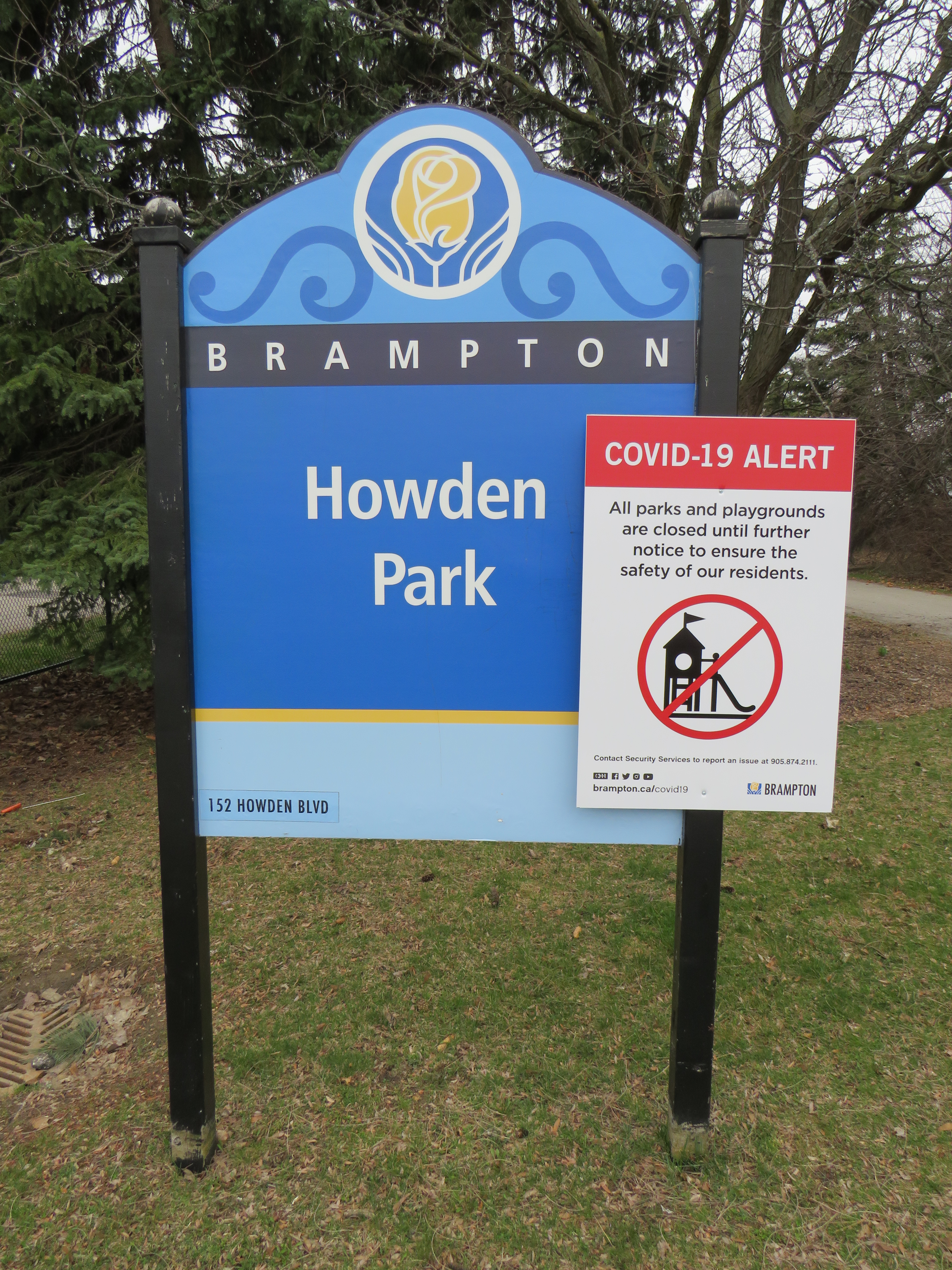
    Parks across Canada are closed, with the exception of walking through

    On Saturday April 11, during the Easter long weekend, the City of Toronto announced that a team of over 350 police officers and bylaw enforcement officers would shift from an education-based campaign of verbal and written warnings to people congregating and using closed amenities in parks to a zero-tolerance ticketing campaign. Tickets for violating orders — intended to slow the spread of COVID-19 — include a fine of up $1,000.

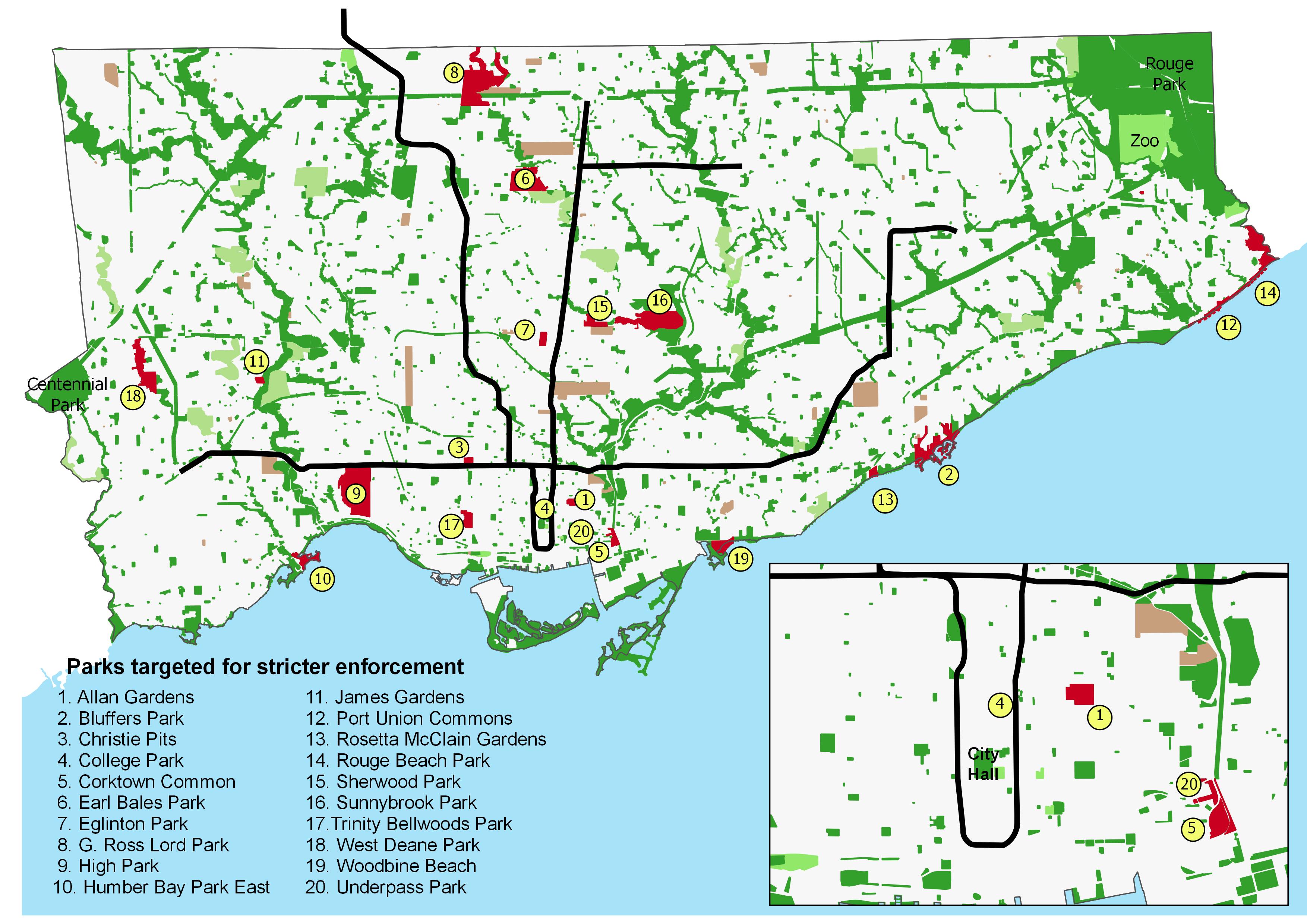
    In the press release, the city listed twenty parks specifically targeted for enforcement. Though most are located in the old City of Toronto and along Lake Ontario, there are several others located in Toronto’s inner suburbs.

    The list of parks include several along Toronto’s waterfront, including Humber Bay Park, Woodbine Beach, and Bluffers Park. It also includes several small downtown parks adjacent to recent high rise residential development, including Corktown Common, College Park, and Allan Gardens. Large suburban parks known for family gatherings and picnics, such as Earl Bales, G. Ross Lord, and Sunnybrook Parks are also on the list.

    These parks are illustrated in the map below.
    Toronto_Target_Parks_COVID
    Parks targeted by the City of Toronto for stricter enforcement (click for larger image)

    Though many of us are at home, working remotely or waiting for schools and workplaces to reopen, those employed in essential industries and services do not have a choice. For the rest of us not required to self-isolate, an occasional walk or bicycle ride is good for our mental and physical well-being. It may be necessary to pick up food and prescriptions.

    For those of us without yards and quiet residential neighbourhoods, going outside means either navigating narrow and occasionally crowded sidewalks, or going to nearby small and busy parks, especially those without access to a car. In my experience so far, the vast majority of people are respecting the calls for physical distancing.

    Closing parking lots and amenities such as playgrounds and picnic facilities makes sense. Where possible, we shouldn’t be straying far from home while physically distancing, and we should be keeping close to those we’re living with. Meanwhile, tens of thousands of people live in apartments in Mimico and Humber Bay Shores; they shouldn’t be crowded out of their own backyard by others seeking a stroll along the waterfront.

    But downtown and in the Yonge-Eglinton area, quiet open spaces close to home may be hard to come by. Sidewalks are narrow, construction barriers such as scaffolding make physical distancing especially difficult, and along Eglinton Avenue, Crosstown LRT construction has made getting around on foot especially challenging, with pedestrians often restricted to narrow passages.

    These help to explain the problems at College Park, Eglinton Park, and Allan Gardens. Furthermore, Allan Gardens is close to several shelters and social services such as Seaton House, and has long been a place for marginalized residents to socialize and linger.

    This is one more reason why dense, growing urban neighbourhoods require more space. Increasing the space allotted to pedestrians and cyclists by removing underused traffic lanes would provide some of that relief.

    This was the argument made by two associate professors of epidemiology at Ryerson University, who sent an open letter to Mayor John Tory and the city’s medical officer of health, Eileen de Villa, arguing for more road space for pedestrians and cyclists.

    https://twitter.com/manneharris/status/1248709649551032320?s=20

    It is disappointing to see the city respond only with increased enforcement without providing any alternatives for safe physical distancing.
  • How to reimagine our streets during a pandemic

    How to reimagine our streets during a pandemic

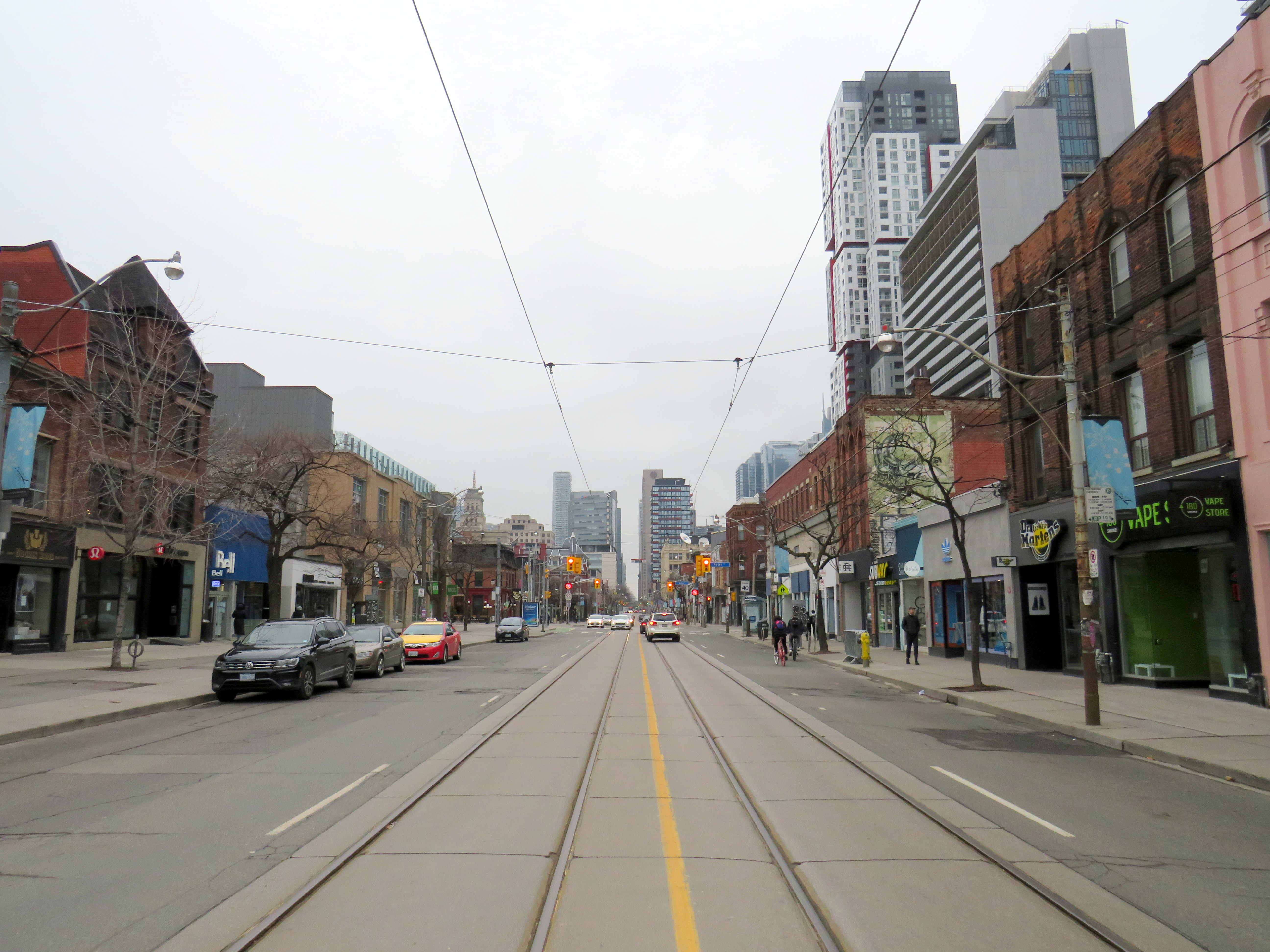
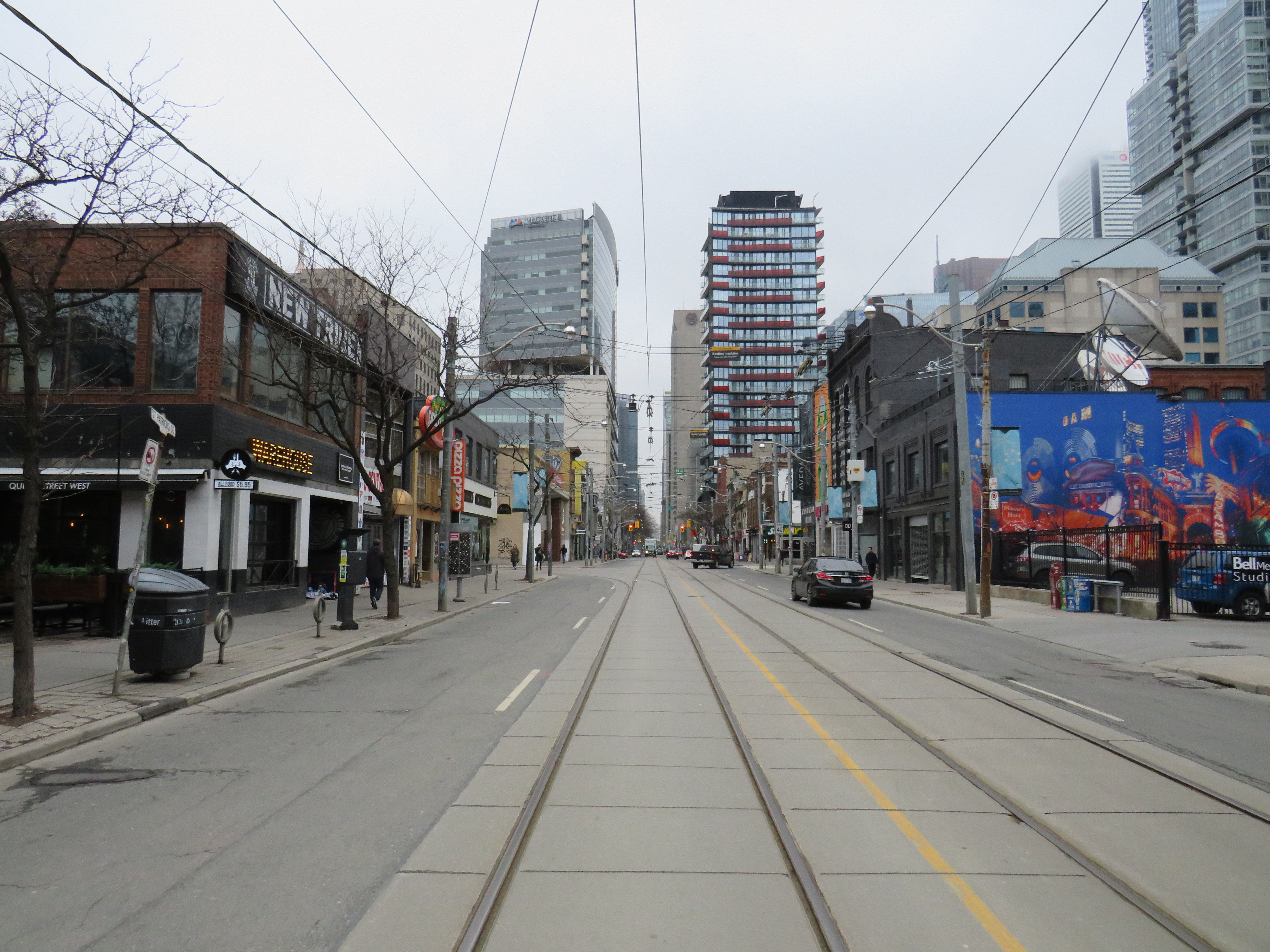
    Queen Street West, late March 2020
    Nobody’s going to be flocking to the streets during a pandemic

    In an interview with local news station CP24, Mayor John Tory said that the city was considering implementing one-way directional traffic on city sidewalks as part of a response to COVID-19. This idea was considered as a measure to ensure physical distancing on Toronto’s sidewalks.

    The mayor, however, does not support the alternate solution of increasing the amount of road space given to pedestrians and cyclists. With traffic on major routes such as Yonge, Queen, and Bloor reduced, and most businesses closed, it would be easy to provide additional space for pedestrians without causing traffic congestion. According to the mayor, “it could have the unintended effect of attracting more pedestrians to busy areas, something the city is actively trying to discourage right now.”

    That’s ridiculous.

    With businesses closed, no patios to linger at, and no programming (unlike at any other street closure, whether it be Taste of the Danforth, Open Streets, Pride Week, or Buskerfest), pedestrians will not be attracted to linger and crowd sidewalks in dense urban neighbourhoods. However, they will be able to walk to work, get to essential services, exercise the dog, or get some fresh air, without having to dodge other people or sidewalk barriers, such as construction scaffolding.

    Furthermore, enforcing one-way sidewalks — the city’s only other idea — would be extremely difficult to enforce. It would  only increase the distance pedestrians would have to walk to get to work or essential services. It would go against centuries of practice, and it would encourage less-safe midblock crossings. It would be especially cumbersome for seniors and pedestrians with disabilities. 

    While Toronto continues to do nothing to protect vulnerable road users during a pandemic, other cities — including Montreal, New York, Vancouver, Denver, and Oakland— have closed entire roads to better serve pedestrians and cyclists in parks and dense urban areas. Closer to home, Kitchener and Brampton have also taken steps to to assist active transportation during this unprecedented time.

    IMG_8335-001
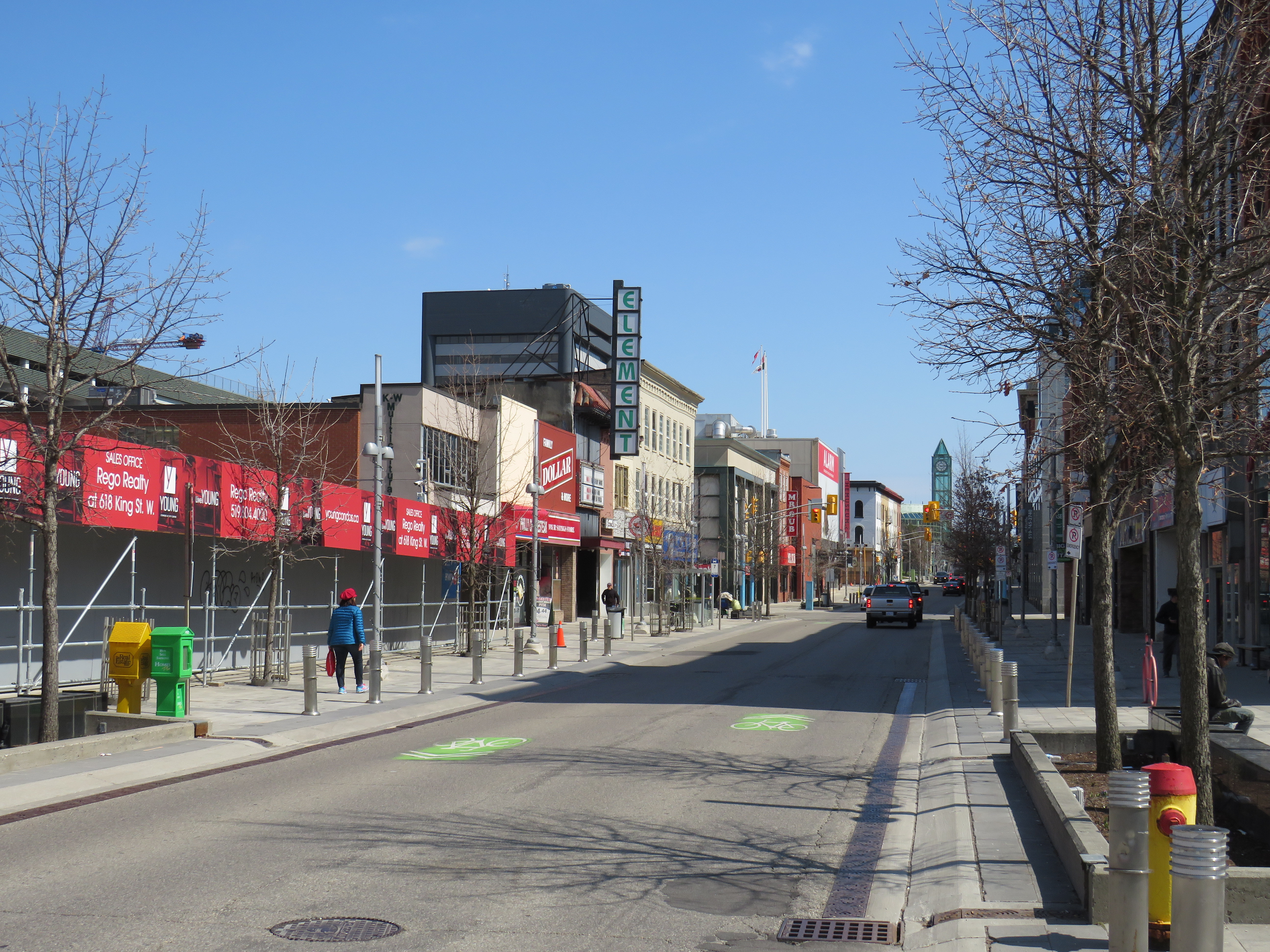
    King Street, Downtown Kitchener

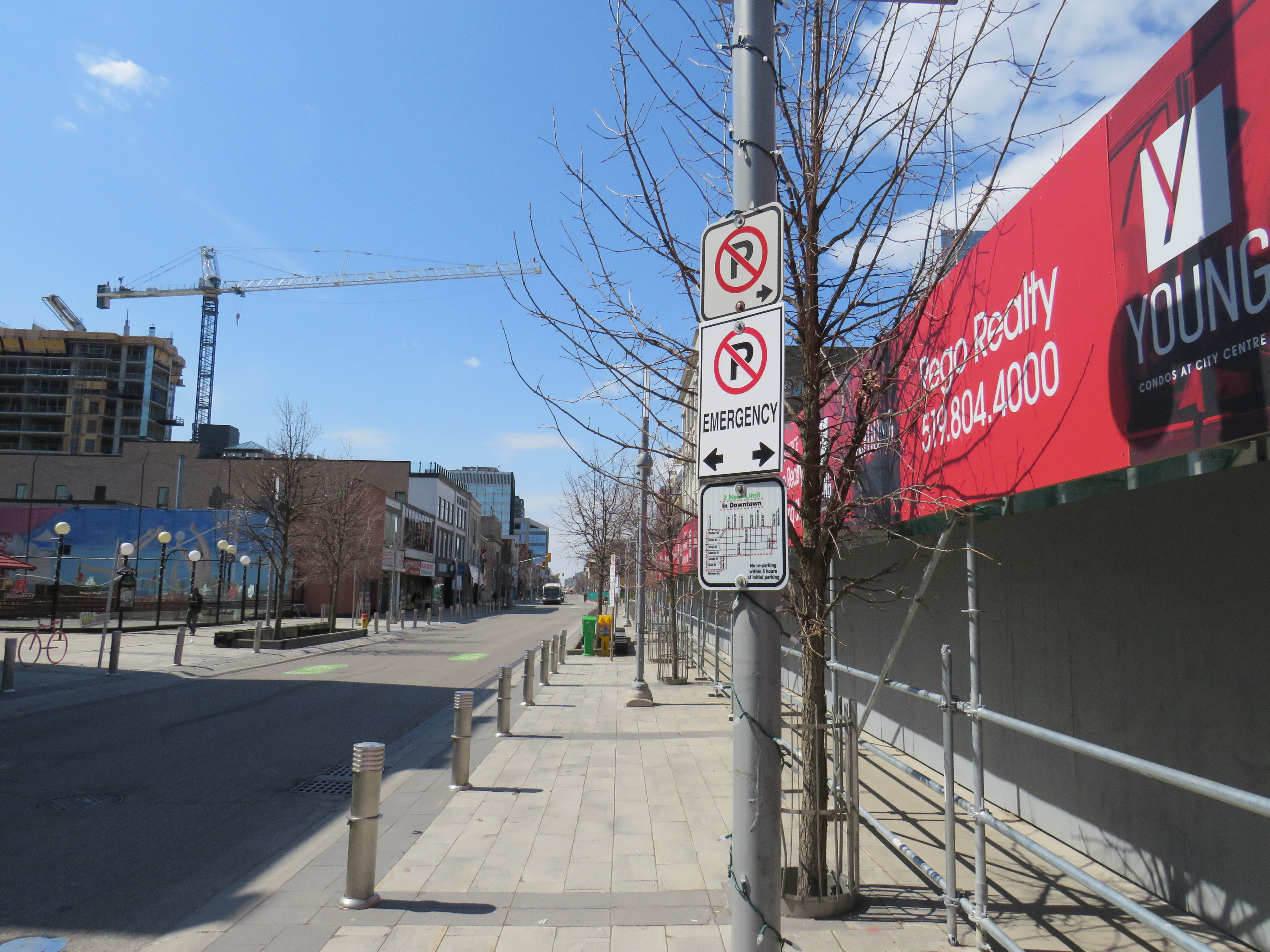
    A decade ago, King Street in Downtown Kitchener was reconstructed with new lighting, street furniture, trees, and a rolled curb separating the narrow street with sidewalk and street parking and loading areas, which were separated from the pedestrian area by removable bollards. As a response to COVID-19, most of the parking spots were blocked off, with the bollards moved towards the roadways, quickly and easily expanding the pedestrian zone. With new residential development in Downtown Kitchener, several portions of the regular sidewalk were covered with scaffolding. The widened pedestrian clearway made it easy and safe to get around the barriers, allowing pedestrians to practice physical distancing.

    IMG_8333-001
    Bollards moved close to the street, and parking banned. It’s much easier to get around the construction scaffolding.

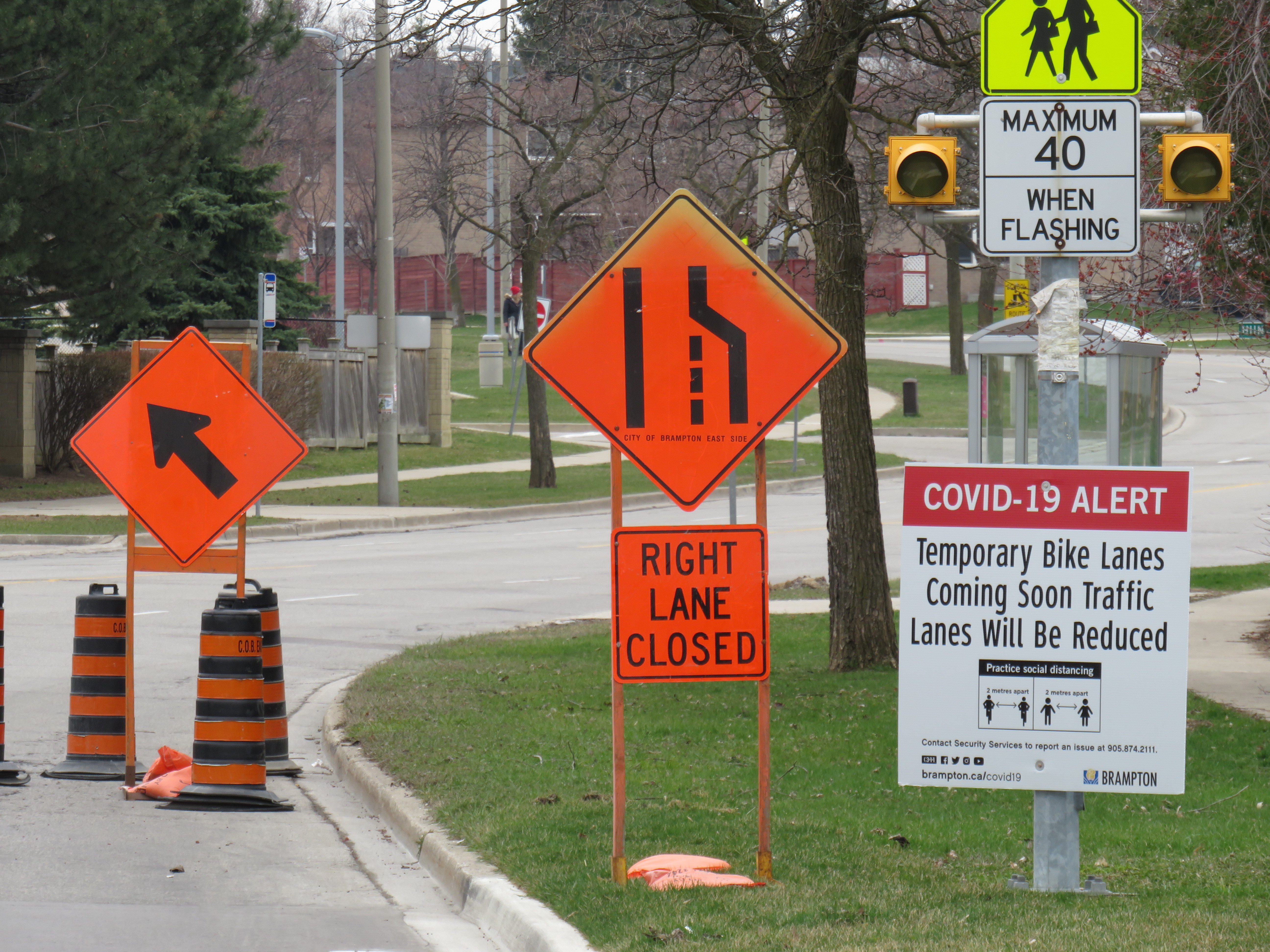
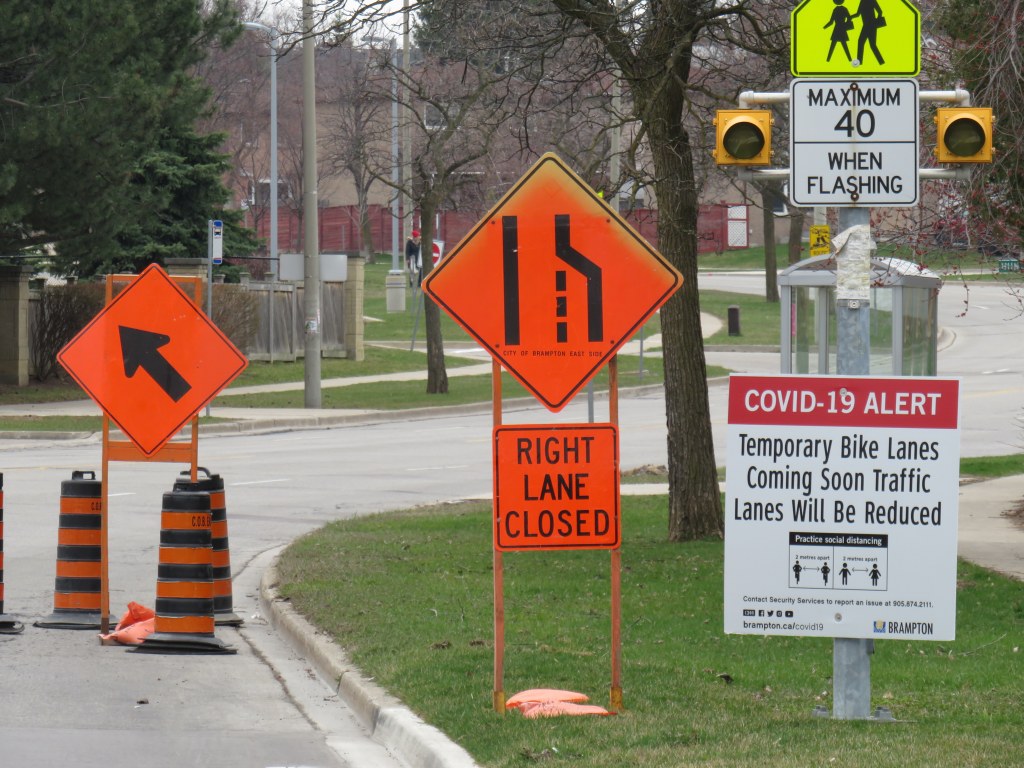
    Meanwhile, in Brampton, where sidewalk crowding isn’t usually a problem, the city government went ahead with a plan to close the right lanes of Howden Boulevard and Vodden Street — four-lane collector roads through residential areas — to install temporary bike lanes. This will provide a five-kilometre bikeway across the city between Etobicoke Creek and Chinguacousy Park, crossing Highway 410 at a safe location.

    Installing temporary lanes makes it easier in the future to make the lanes permanent — Vodden and Howden could use road diets after all — which could connect three north-south ravine paths and connect Downtown Brampton with Bramalea City Centre. City Council — including Mayor Patrick Brown — is committed to improving the city’s rather poor active transportation infrastructure.

    Brampton Temp Bike Lanes
    Temporary bike lanes coming to Howden Blvd. in Brampton

    While Toronto continues to drag its heels on providing safe spaces for its residents to walk and bike while being physically distant, its peer cities — and even one of its suburbs, are leading. One can only speculate about the reasoning behind Mayor Tory’s reluctance to do more.

  • A sudden drop in transit usage across the Toronto Region

    A sudden drop in transit usage across the Toronto Region

    IMG_6299-001Last week, I wrote about how several TTC routes were facing overcrowding, despite the COVID-19 pandemic, and a severe drop in system-wide ridership since early March. I shared this analysis on Spacing’s website, and Ben Spurr at the Toronto Star reported more about the story this week.

    Though detailed ridership data is not freely accessible, I wanted to see how ridership on the TTC, GO Transit, and other Greater Toronto and Hamilton Area transit agencies was faring. Helpfully, the team behind the Transit app, a trip-planning smartphone tool, made their usage data available to transit agencies, journalists, and data nerds to track transit demand during the pandemic. Although there are some limitations to using this data (more on that later), it’s an excellent metric for tracking transit ridership for dozens of major transit authorities across Canada and the United States, representing nearly every major metropolitan region.

    The numbers used to determine transit ridership demand is based on usage of the Transit app. (While Transit is one of several apps that can be used to plan trips, including Metrolinx’s own Triplinx app, Transit is my favourite). Normal usage is defined by Transit as app sessions observed on the same day of the week one year ago, averaged over three weeks and corrected for yearly growth in the corresponding transit agency. Hence, a rapidly-growing system, such as Brampton’s, can be represented accurately by the app.

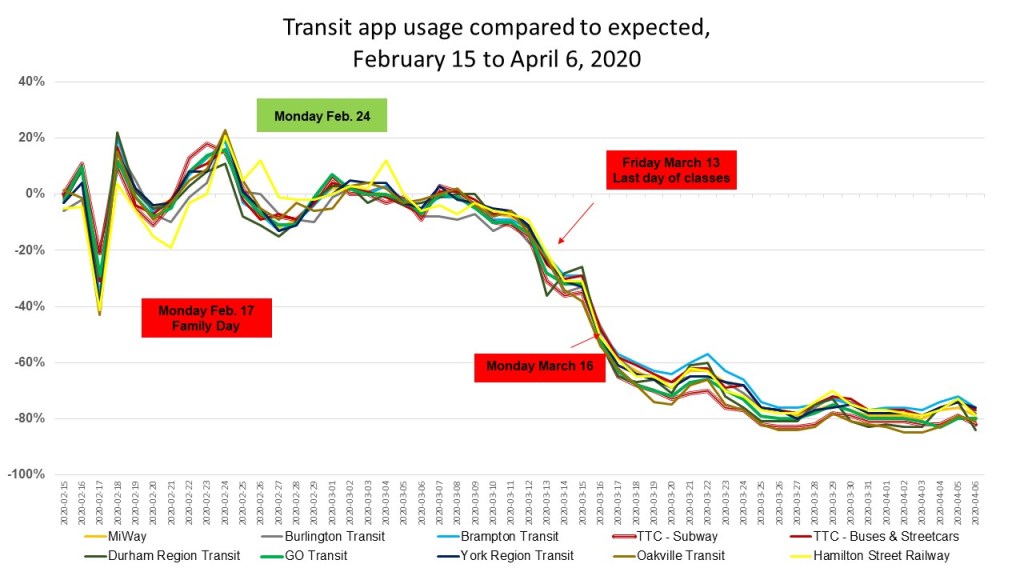
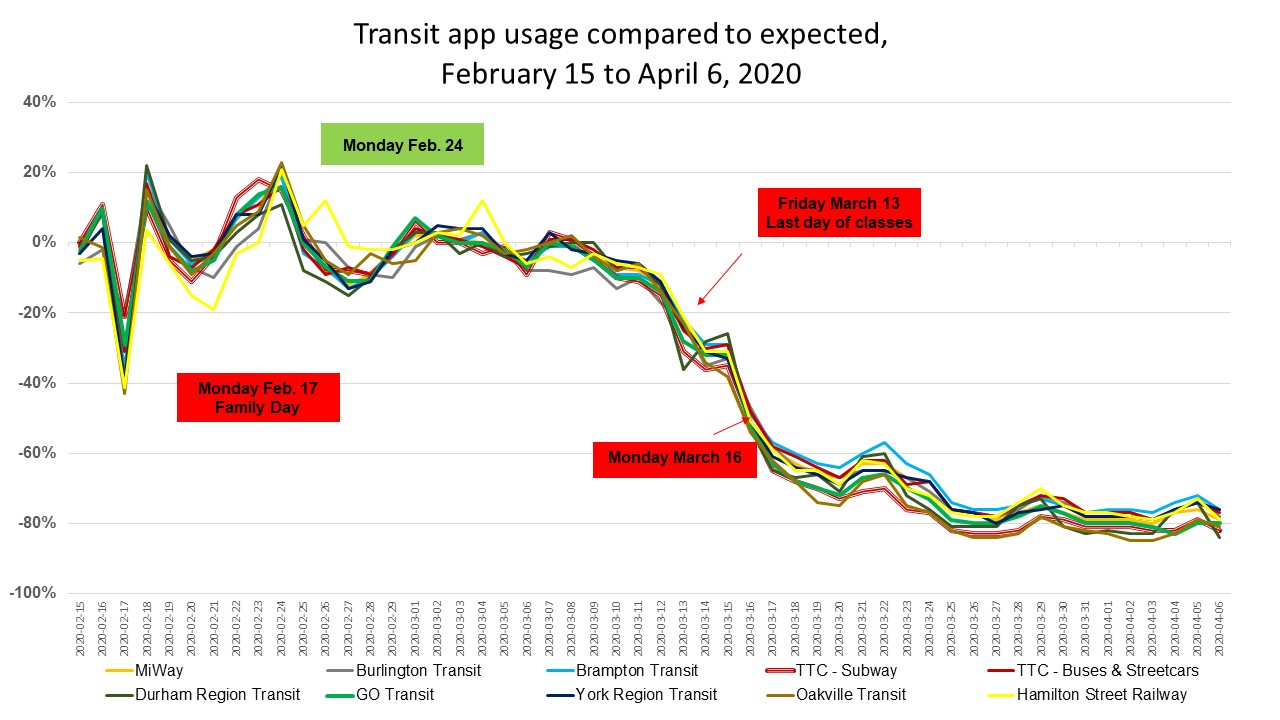
    Data was available for every transit agency in the Greater Toronto and Hamilton Area, apart from paratransit services (e.g. Wheel-Trans, Transhelp, DARTS, etc.) and Milton and Caledon Transit, the smallest fixed-route services. The graph below shows the how the usage of the Transit app fluctuated based upon the expected value, reflected as a percentage.

    GTHA Transit app usage from Feb 15 2020
    Transit app usage compared to expected for GTHA transit agencies, February 15 to April 6, 2020 (click for larger image)

    Note how the actual Transit app usage dropped by over 40% for every transit agency on Monday, February 17, which was Family Day, a provincial holiday in Ontario. Most transit services were operating on a weekend or holiday service, while students and many workers did not take transit. This was likely compared with normal Mondays, hence the one-day drop.

    It wasn’t until the second week of March that ridership began to decline as the number of COVID-19 cases began to surge in Canada and the United States, and governments began announcing new measures to reduce the rate of infection. On Thursday March 12, Ontario announced that public schools, scheduled to close for March Break, would stay closed for two additional weeks (the shutdown has since been extended). That day, the National Basketball League suspended the season, followed quickly by all other sports leagues. Employers began to implement contingency measures, such as work-from-home arrangements. By Monday the 16th, all restaurants were closed to sit-down clientele, and most entertainment venues closed.

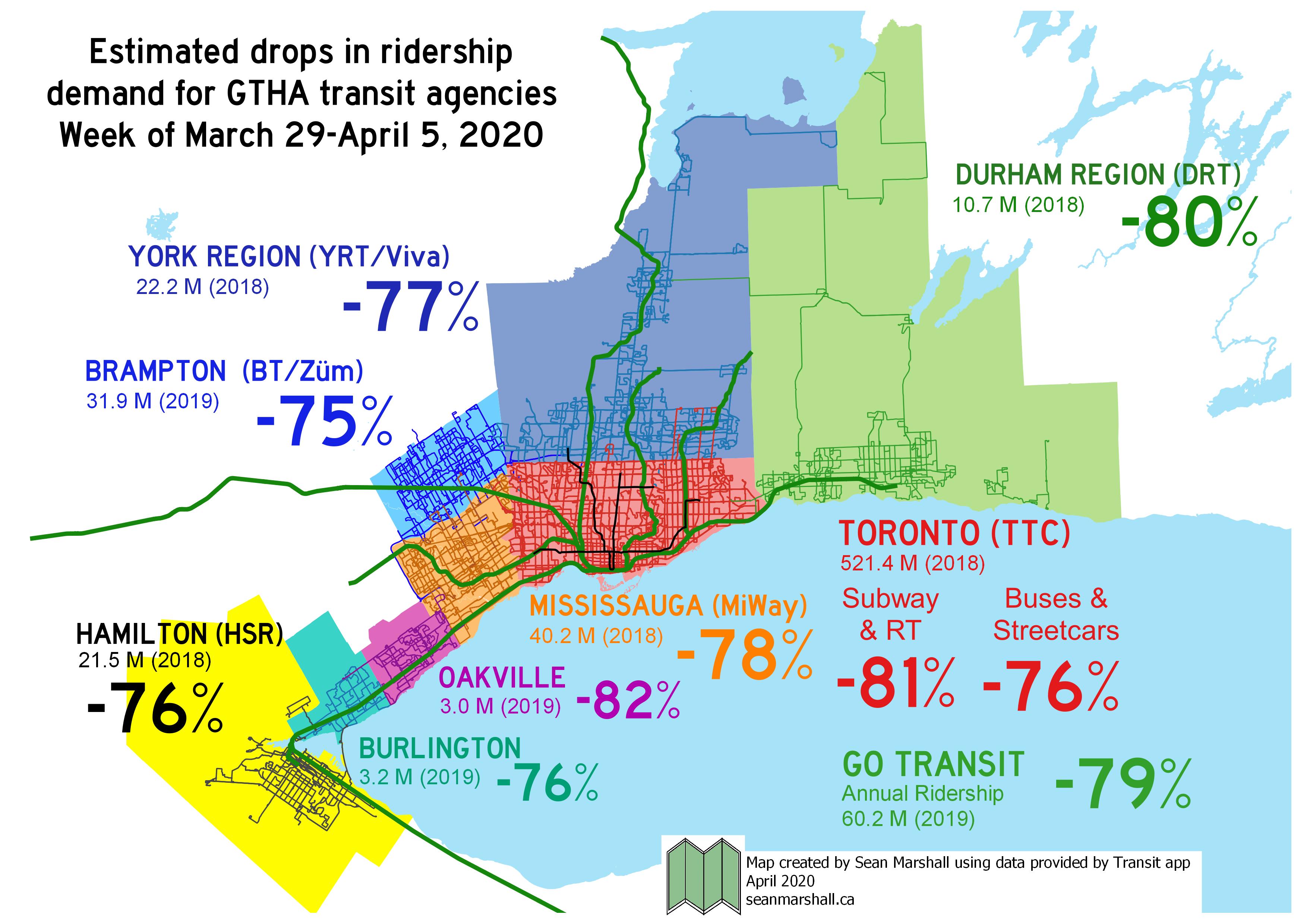
    By the week of March 29, transit demand was down by 75 to 82 percent across the Greater Toronto Area. Although many workers were either laid off or were sent home to work, employees in the healthcare, personal care, logistics, essential retail service (i.e. grocery workers), and food manufacturing industries remained on the job. This is evident in the difference between the demand for the subway (-81%) and the surface network (buses and streetcars, -76%) as they serve very different employment centres. Transit’s numbers are comparable to the TTC’s own ridership estimates.

    GTA_Ridership_COVID
    Map depicting estimated drops in transit demand for GTHA transit agencies compared to expected use for week of March 29 to April 5, 2020. Data from Transit app.

    Brampton Transit had the lowest estimated reduction in demand, at -75%. This could be for the same reasons that several bus routes in Toronto saw crowding despite a system-wide drop in ridership. Brampton’s population is relatively lower-income than many other suburban municipalities in Halton, Peel, and York Regions. Brampton also has many large food processing employers, such as Maple Lodge Farms, and many warehouses and distribution centres, including two major Amazon Fulfillment Centres. Brampton Transit connects to other major manufacturing and logistics employment areas in Mississauga, Vaughan and Toronto, including Pearson Airport.

    Oakville Transit had the greatest drop, which can be explained by two factors. The first is that Oakville, is a relatively more affluent municipality, with fewer logistics and food industry employers. Secondly, its bus network is designed entirely to connect with GO Transit’s Lakeshore Line, which feeds Downtown Toronto. Therefore, the ridership dependent on Oakville Transit is more likely to be working from home than Brampton’s.

    It must be noted that Transit’s figures are not the same as detailed ridership numbers collected by each transit agency. For example, Metrolinx cited a 90% drop in ridership across the GO Transit train and bus network, compared to Transit’s 79% estimate drop. Nonetheless, Transit’s data is a valuable metric.

    With the sudden drop in ridership, there’s also a sudden drop in revenue. While many systems, including Brampton Transit and GO Transit have made service reductions, they have been careful to ensure enough capacity remains to safely meet demand. Every system has also increased vehicle and station cleaning, and most have stopped collecting fares to protect both passengers and operators. Just like laid-off employees, students, and freelance workers, transit too will need a bailout of some kind to rebuild lost ridership and maintain safe and healthy services.

    Transit projects such as the Eglinton-Crosstown LRT, the new relief transit service for central Toronto (be it the Relief Line or Ontario Line), and GO Transit expansion must go on, as does the progress made in building ridership at suburban systems such as Brampton and Durham Region.

  • Mapping TTC crowding during a pandemic

    Mapping TTC crowding during a pandemic

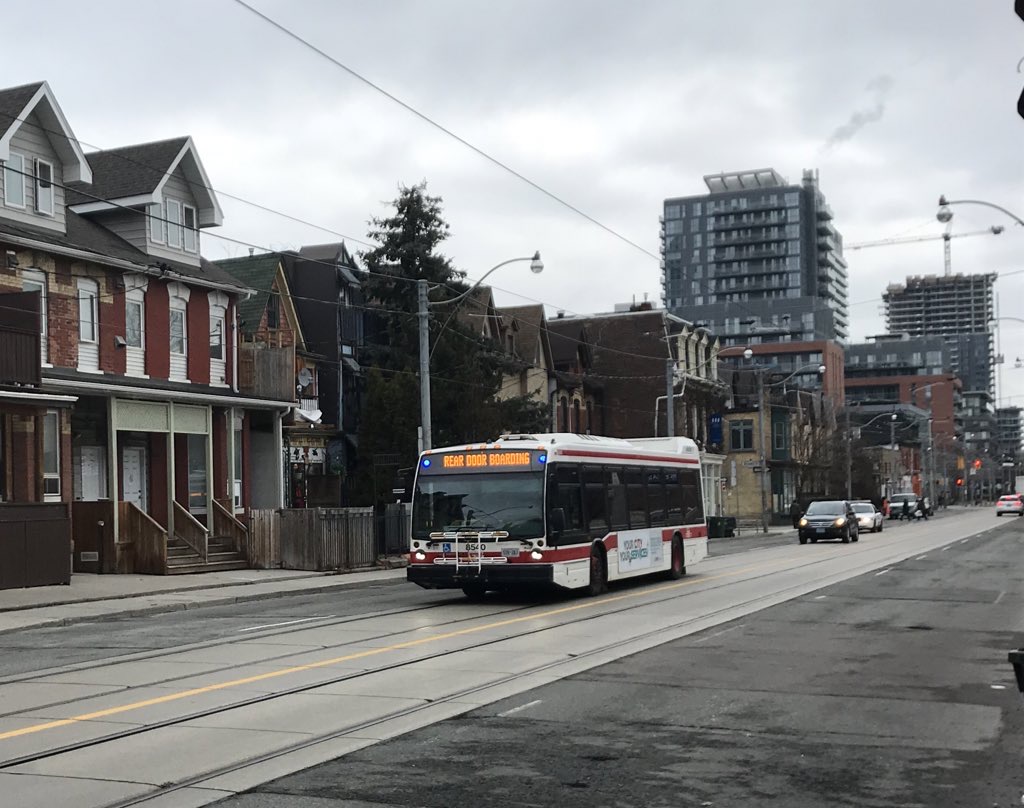
    IMG_6314Rear door boarding on TTC buses is just one measure the TTC has taken to address the COVID-19 crisis

    Note to readers: I have since written an updated version article (with a revised map) on Spacing’s website.


    While most people are urged to stay home as much as possible during the ongoing COVID-19 pandemic, there are those who must carry on. These include health care workers, staff at grocery stores, pharmacies, and other essential businesses, and others who can not work from home. There are also those who continue to require transit to undertake essential errands, such as medical appointments.

    Thankfully, most transit systems have carried on. Through GO Transit has experienced an 80% drop in ridership since the beginning of March, it continues to operate all rail lines and most bus routes, providing fewer trips, but maintaining the same span of service hours. The TTC discontinued most express routes, but it maintains a grid of frequent bus and streetcar services.

    However, the TTC and Brampton Transit continue to struggle with crowding on certain routes. Brampton Transit — which has resorted to an “enhanced Saturday service” level –will only carry half a bus’s seated capacity to enforce social distancing, which has resulted in “closed-door” situations where buses won’t stop for waiting passengers. As a result, several routes are now discontinued during peak periods so that buses are sent to address crowding elsewhere. Brampton Transit serves many shipping warehouses, including two Amazon fulfillment centres, which remain busy during this time.

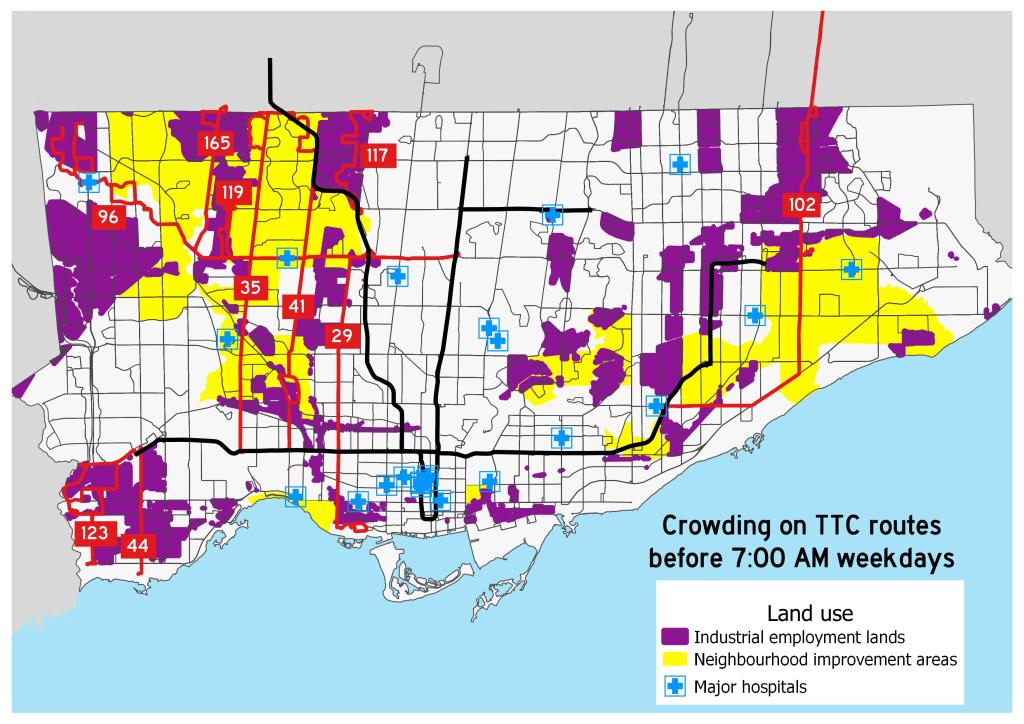
    Meanwhile, the TTC is struggling with morning rush hour crowding on ten bus routes:

    • 29 Dufferin
    • 35 Jane
    • 41 Keele
    • 44 Kipling South
    • 96 Wilson
    • 102 Markham Road
    • 117 Alness-Chesswood
    • 119 Torbarrie
    • 123 Sherway
    • 165 Weston Rd North

    These routes, mostly clustered in the city’s northwest, are illustrated below.

    TTC_COVID_CROWDSMap of overcrowded early morning TTC routes during the COVID-19 pandemic
    (click for larger version)

    Routes 117 and 119 are industrial services, connecting warehouses and food service plants. These industries — like the infamous Fiera Foods plants served by Route 119 — rely on low-paid, often temporary workers, with early morning starts. Certain warehouses and many food-service plants also have very early starts to the day. It would be tough for workers to accommodate the TTC’s request to travel at later times. Routes 96, 102, and 165 also extend into major industrial areas. Route 123 serves the Metro supermarket chain’s distribution centres on Dundas Street and The West Mall.

    Many of these routes run through Toronto’s neighbourhood improvement areas, which are identified by the city as those requiring additional investment due to issues such as poor access to services and higher concentrations of low-income families. In addition, routes 41, 96, 119, and 165 serve the Humber River Regional Hospital, one of Toronto’s largest health care facilities, while the 96 Wilson also directly serves Etobicoke General Hospital.

    Though it would be best for private essential employers to stagger shifts during this unprecedented time, there may be a need for the TTC to redirect some resources towards these parts of the city.

  • Signs of the times

    Signs of the times

    IMG_8110
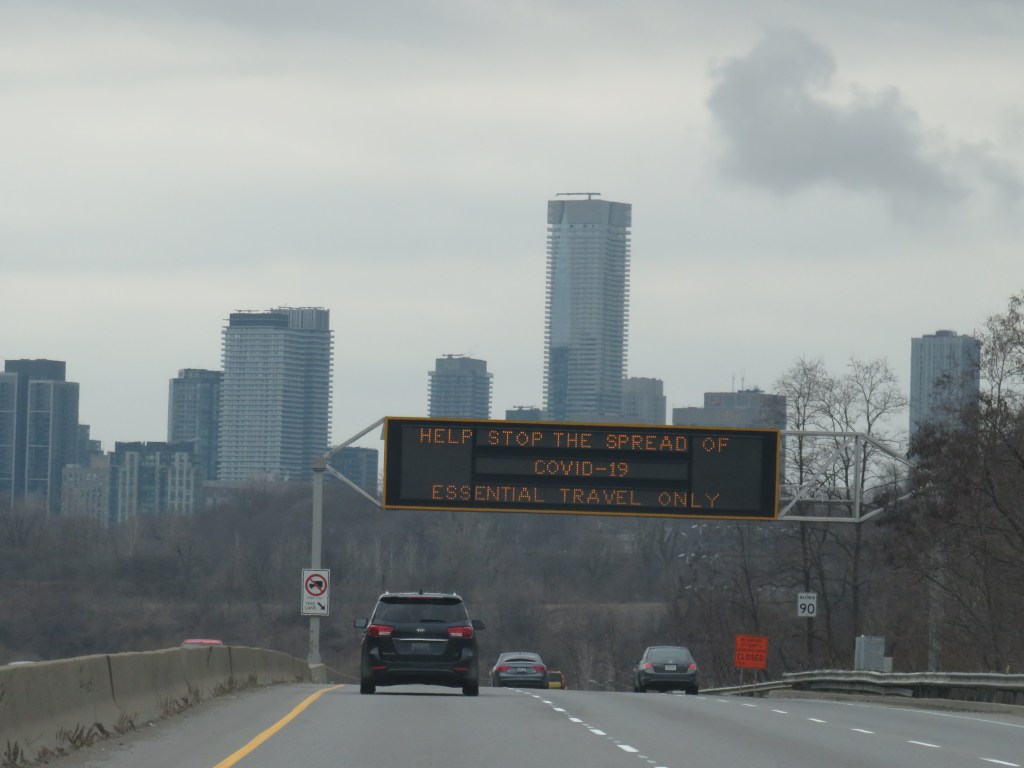
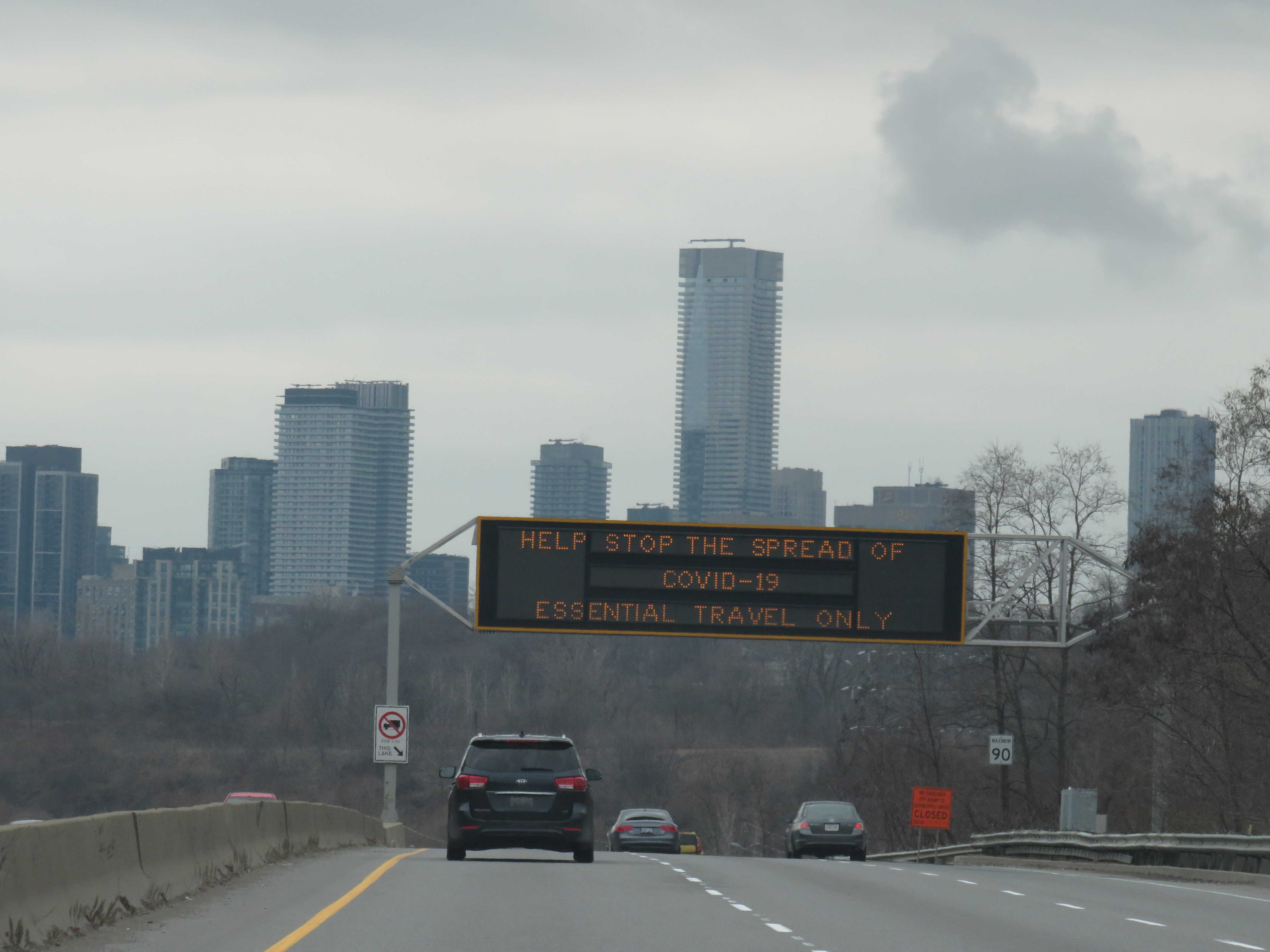
    Electronic sign on the Don Valley Parkway

    I had access to a car yesterday, so I drove to a suburban supermarket to stock up on some large and bulky items we needed — things such as laundry detergent — to get through the next few weeks of physical distancing. Normally, I’ll walk to the nearest supermarket, only a few minutes away, but this way, I could get a lot done at once.

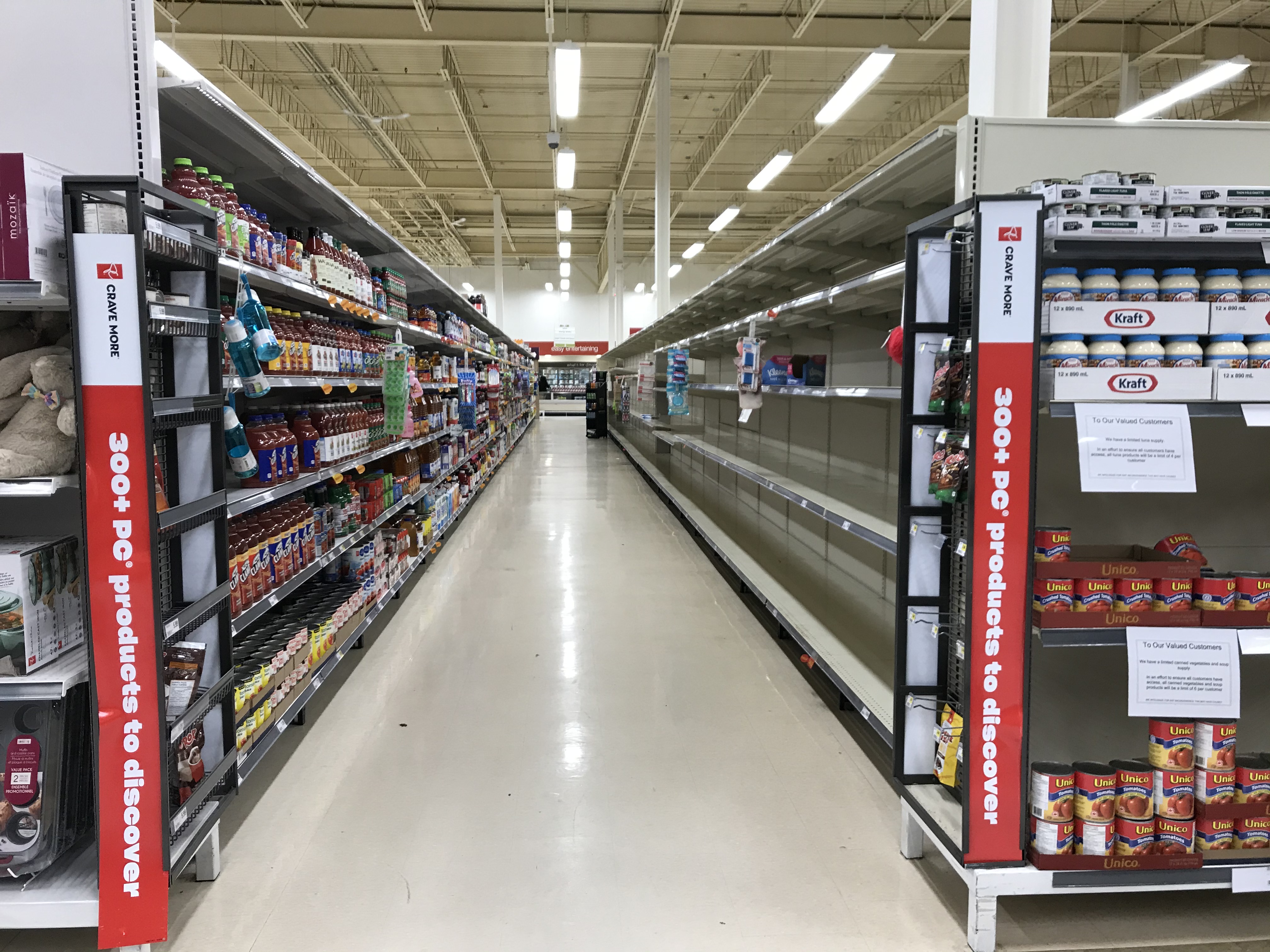
    Though many shelves remain empty (pasta, rice, paper towels, and toilet paper remain in short supply), and cashier lines long (with tape marking where customers should wait, minimizing close contact), the mood remains friendly and polite among shoppers and staff alike. This is certainly a bright point in these difficult times.

    IMG_6324Empty shelves at the supermarket

    While running these essential errands, I took a GoPro camera, and mounted it to the front of the dashboard. It made for a very interesting view of the Gardiner Expressway at mid-morning, when the elevated highway is usually congested. When built, the Gardiner passed by rail yards, factories, and warehouses, south of the Downtown Core. Now the roadway runs between tall office and residential towers, with more being built all the time.

    When it’s free-flowing, the Gardiner makes for a visually fascinating drive.

  • A week of social distancing in Toronto

    A week of social distancing in Toronto

    Overlooking Eaton Centre, March 19 2020

    Ten days ago, I spent the day at City Hall and addressed the Infrastructure and Environment Committee. While I was following news of a novel coronavirus that was affecting China, Italy, and Iran, it wasn’t on my mind that day.

    What a difference a few days makes.

    On Thursday, the province announced that elementary and high schools would close for a three-week-long March Break in an effort to contain an outbreak here. One by one, universities and colleges cancelled in-class lessons, with instructors having to move the remainder of their classes online. The World Health Organization declared COVID-19 a pandemic. Travel restrictions came into place. Restaurants were asked, then forced, to close for dine-in guests. Theatres, cinemas, and some retail chains followed suit. Most office workers were now working from home. Libraries, recreation centres, and even outdoor skating rinks were all shut down.

    By Monday, March 16, the city was quiet.

    My spouse and I live in an apartment downtown, without a car, so we’ve been going on short walks in the neighbourhood, careful to keep our distance from others (this has been tough to do in supermarkets as I pick up essential food and supplies). But I find the walks are necessary for my mental well-being. They’re also surreal.

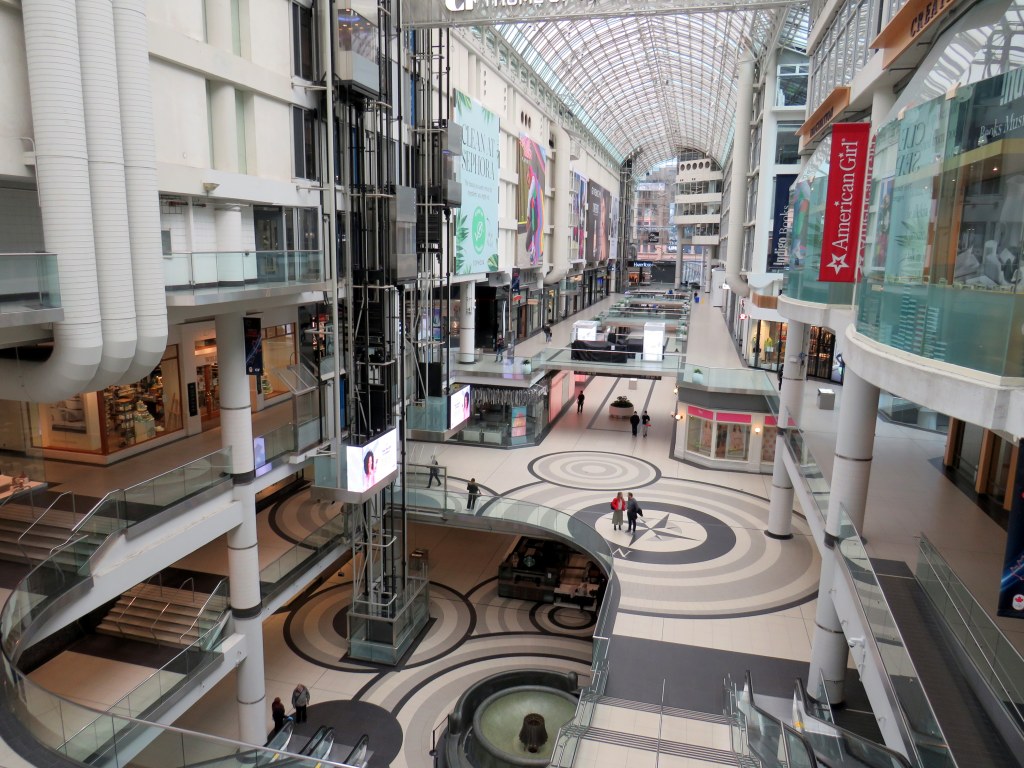
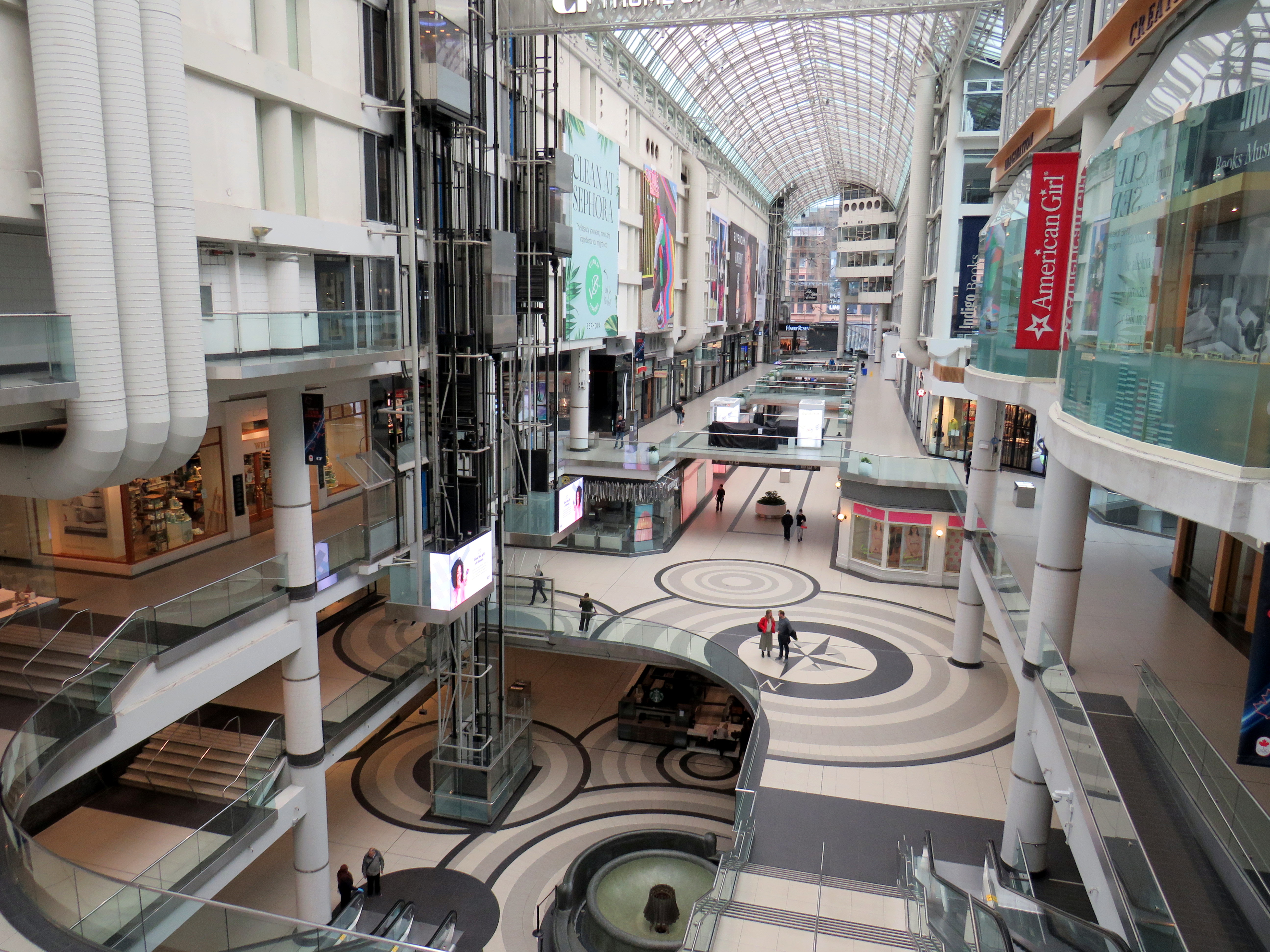
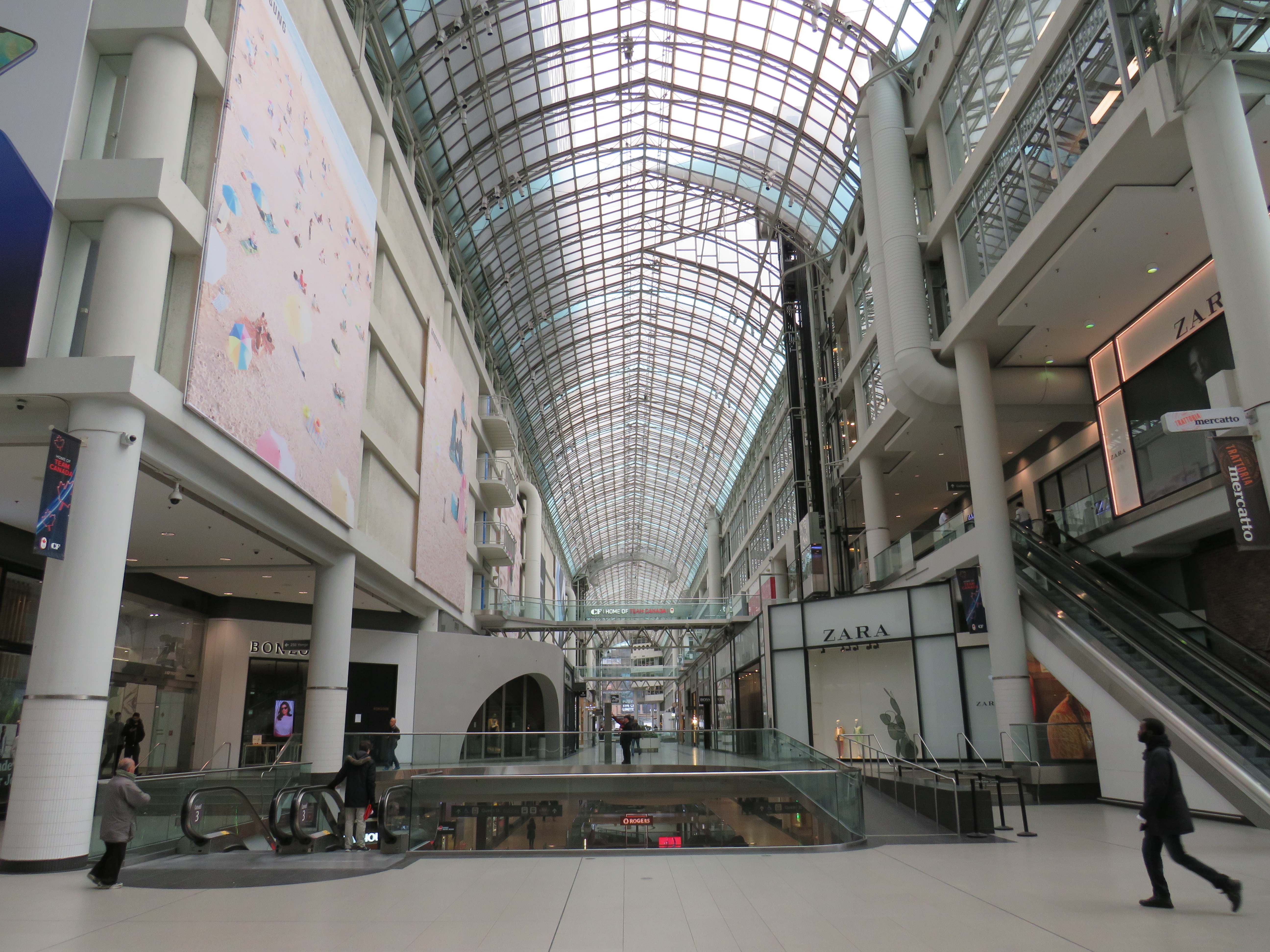
    Though most stores in the Eaton Centre were open on Monday (Apple and Nike were among the first to voluntarily close all their retail stores), by Tuesday, nearly half were closed. On Thursday, only a handful were open, including, controversially, EB Games.)

    The last time I saw the mall so empty during daytime hours, was walking back towards Union Station to go home from Ryerson University on the afternoon of September 11, 2001.

    Eaton Centre March 19 2020Keeping distance inside Eaton Centre, Thursday, March 19, 2020
    As a condition for permitting the mall’s construction in the 1970s, the City of Toronto required permanent, twenty-four hour public access along the corridor between Shuter Street and James Street, behind Old City Hall. This concession was made because the new mall required several east-west public streets to be closed between Queen and Dundas Streets.

    As a matter of practice, most of the mall’s corridors remain open during all hours, providing access to local streets and two subway stations. The only time I encountered locked doors was during the 2010 G-20 Summit fiasco.

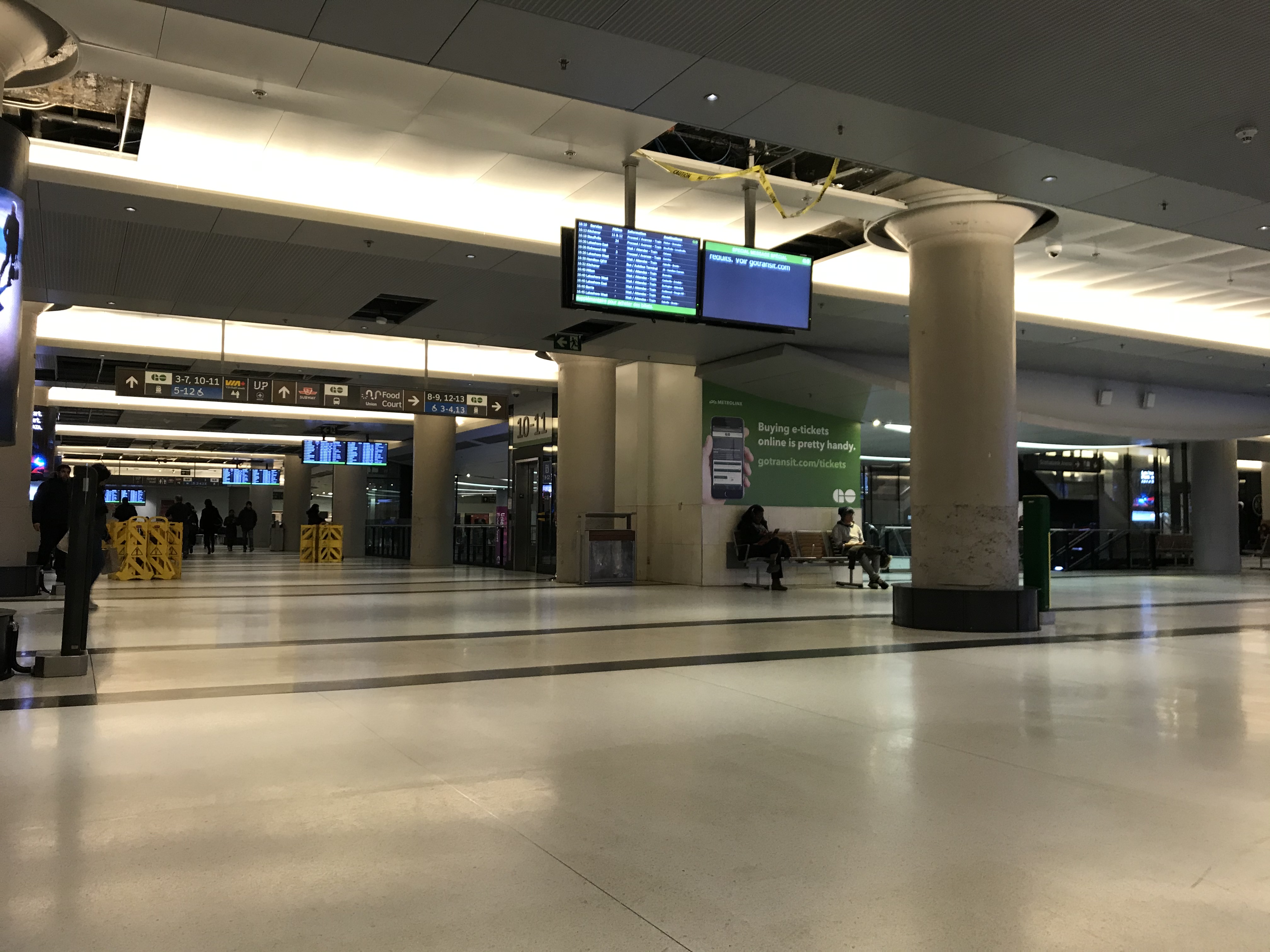
    York Concourse, March 16 2020GO Transit’s York Concourse at Union Station during the afternoon rush hour on Monday, March 16
    Meanwhile, other busy public spaces, such as the GO Transit concourse at Union Station were also eerily quiet. While it is good that most are able to heed the calls from public health officials and political leaders to stay home where possible, I hope that we can continue to build transit, and not enter another lost decade of service cuts and ignoring needs for more infrastructure.

    Busy streets, like Bloor and Queen, are also quiet. With no where to go, there’s very little traffic.

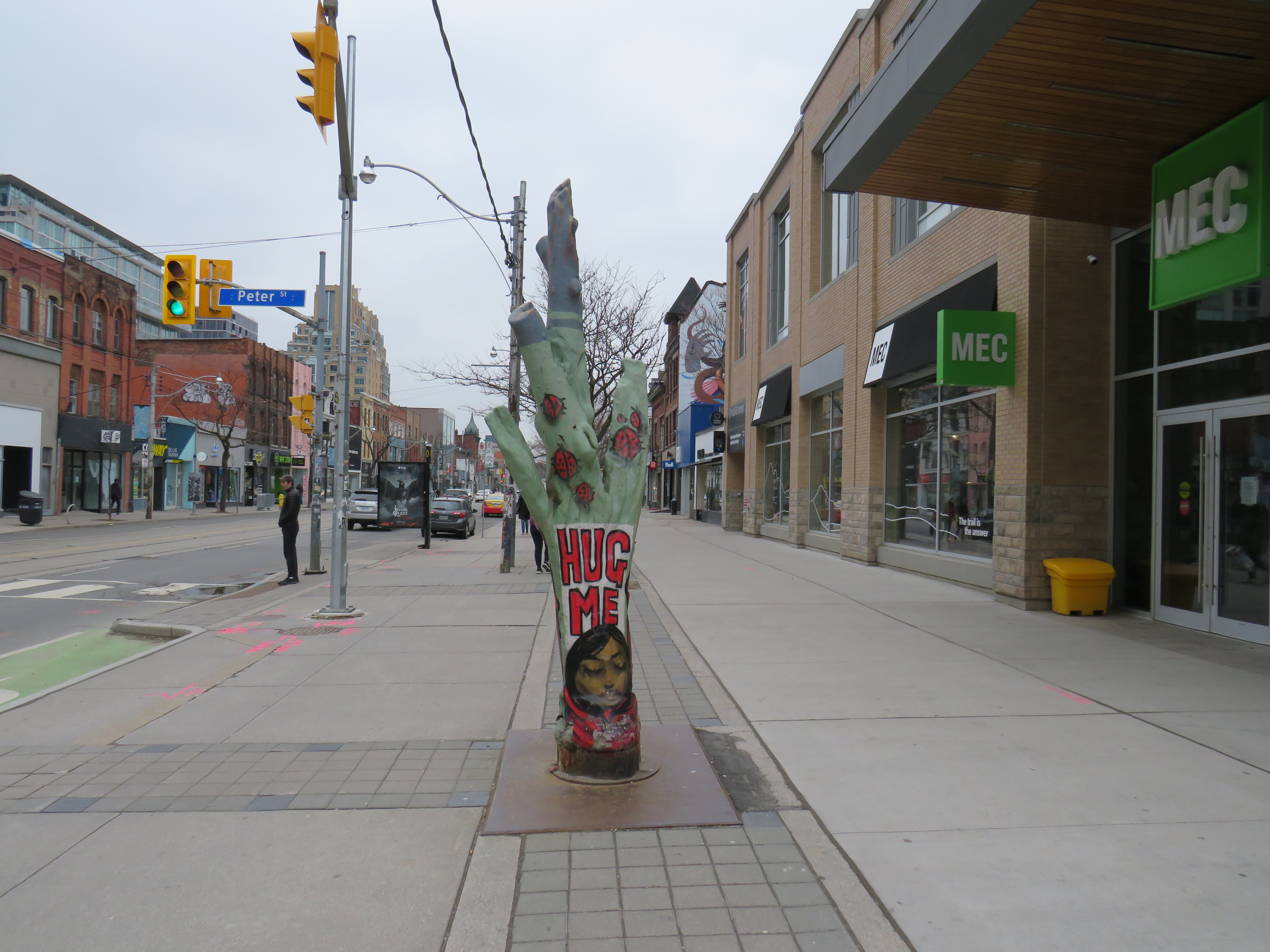
    "Hug Me" Queen Street West, March 19 2020The “Hug Me Tree” on Queen Street West

    Though I want to remain optimistic, I suspect it won’t be until the end of April at least before some of the social distancing requirements are relaxed. Though it’s tough for many of us, it is necessary to keep hospitals from being overwhelmed and the population as healthy as possible.

    We’ve been streaming more movies and television shows and playing party games remotely with family and friends online, with audio and video links to keep us engaged with each other. Sometimes on our walks, we’ll order takeout from some of our favourite independent restaurants and coffee shops.

    These are some of the little things that can be done when very little is asked of most of us.

    IMG_8066-001