Category: About me

  • Addressing the Toronto Police Services Board

    IMG_2922.PNG

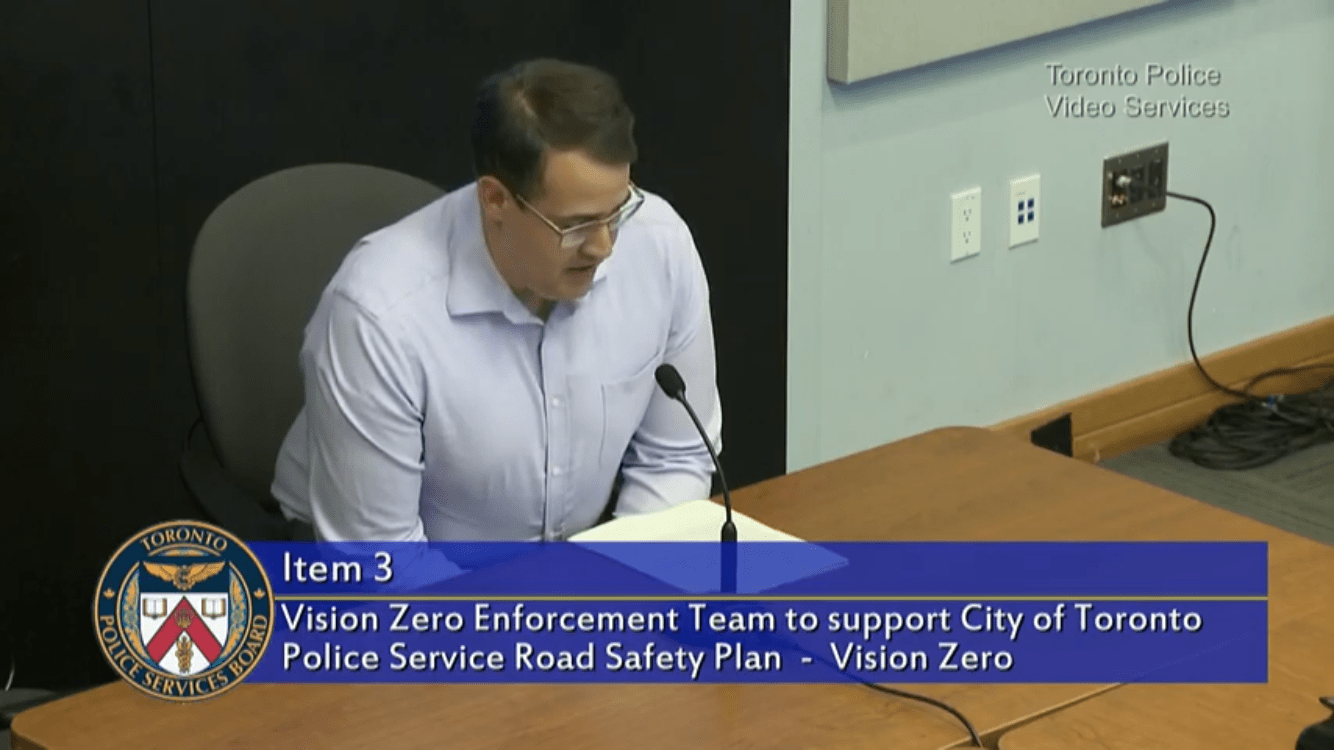
    Earlier today, on behalf of Walk Toronto, I made a deputation to the Toronto Police Services Board addressing the lack of traffic enforcement in the City of Toronto. After criticism from organizations such as Walk Toronto, Cycle Toronto, and Friends and Families for Safe Streets, the Toronto Police now plans to initiate a “Vision Zero enforcement team,” with the city funding the annual $1 million cost.

    As anyone who walks or cycles in the City of Toronto knows, aggressive, distracted, and careless driving is commonplace. They also know that apart from the well-publicized blitz, the Toronto Police Service (TPS) have not responded to the carnage on our streets.

    I spoke to express our disappointment of how the TPS completely failed vulnerable road users by not engaging in meaningful traffic enforcement and calling for a return to making this a priority. Similar deputations were made by John Sewell, former mayor and police critic, Keagan Gartz from Cycle Toronto, and Jessica Spieker from Families and Friends for Safe Streets.

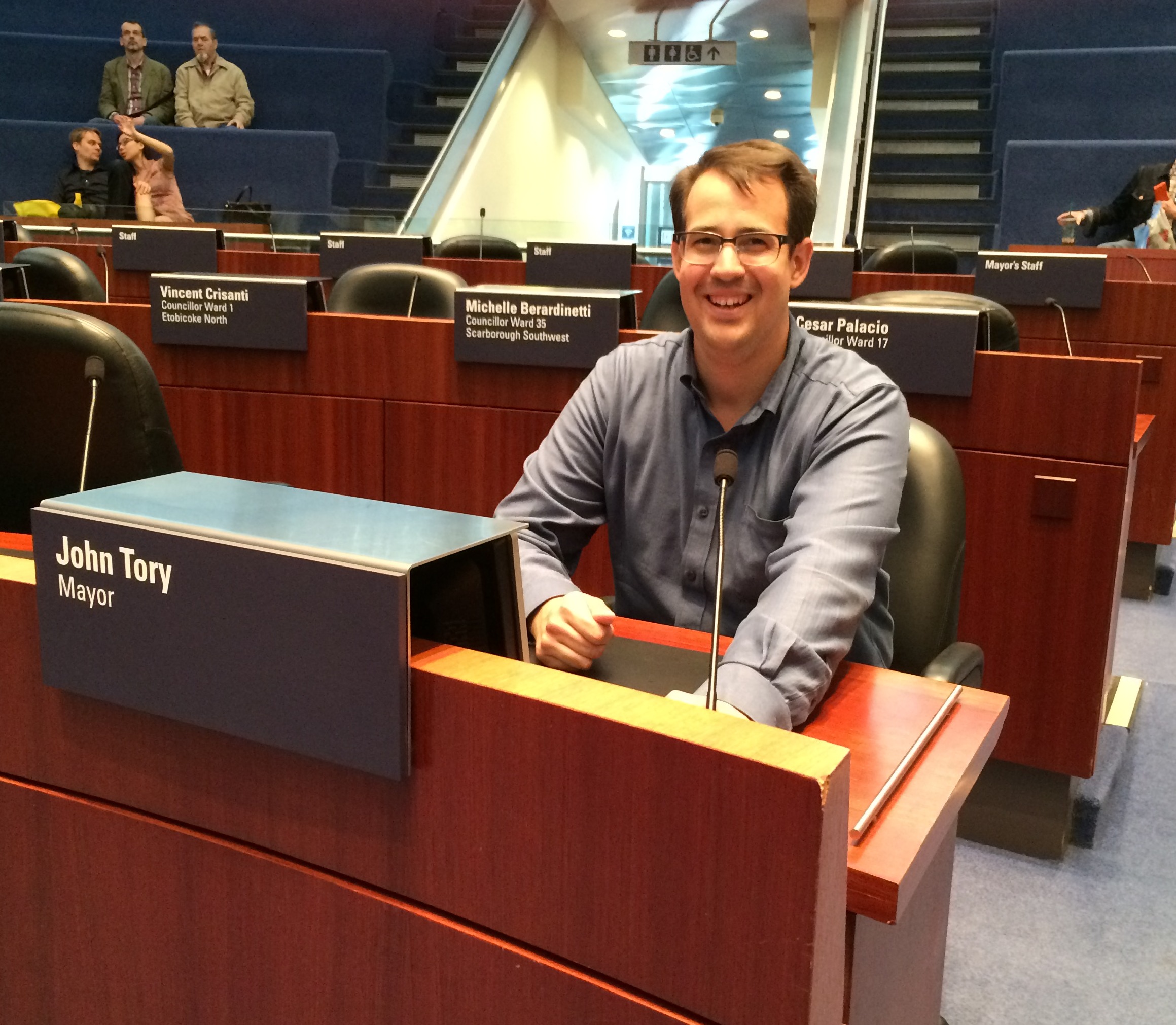
    I found it was a bit intimidating. it was my first formal deputation in a long time, and I sat at a table in front the board, including Chief Mark Saunders and Mayor John Tory. But I did it! Next time I depute, I should find it easier.

    Mayor Tory, to his credit, convinced fellow police board members that the traffic enforcement team be made permanent, and funded from the Toronto police budget, starting in 2020. This motion passed unanimously.

    It is not enough, of course, but it’s an acknowledgement that we desperately needed. Walk Toronto and our partners will continue to push for safer streets.

    Unfortunately, Chief Saunders chose to blame airpods for the epidemic of pedestrian injuries and deaths, ignoring experts and the city’s own data:

    Chief Saunders and the board had the opportunity to ask questions of any member of the public who took the time to craft and make deputations today at Police Headquarters. Regretfully, they chose not to do so.

    Below is the complete text of my deputation to the Toronto Police Services Board. You can watch the whole meeting here (I speak just after the 1:00 mark).

    Vision Zero is an internationally recognized set of road safety tenets that aims to reduce all fatalities and severe injuries in a municipality to zero over the course of a year, while increasing safe, healthy, equitable mobility for all, especially vulnerable road users such as pedestrians.

    Road design, engineering controls and enforcement are all essential pillars for reducing road violence on our streets. Road improvements force vehicle operators to slow down and take notice, while improving the visibility and safety of vulnerable road users, especially pedestrians and cyclists.

    In the meantime, the City of Toronto has focused on reducing speed limits, adding traffic signals, and designating school safety zones and senior safety zones. But this has been more about putting up signs. Signs have no effect If there are no consequences for disobeying them.

    At Walk Toronto, we have noted the lack of police enforcement of safe speeds, red light running, illegal turns, and distracted driving. There may be the occasional well-publicized blitz, but for the most part, motorists in Toronto know that they can get away with risky and dangerous behaviour because the likelihood of being caught is negligible. At best, Toronto’s response to road violence has been reactive, rather than proactive.

    To date, 34 pedestrians were killed on Toronto’s streets in 2019; in 2018, 42 pedestrians were killed. Not just on city streets, but on sidewalks, at bus stops, and even inside a bus shelter. Earlier this year, a home was struck in East York. Meanwhile, police are being deployed downtown not to protect pedestrians, but to ensure traffic isn’t impeded at busy intersections during rush hours.

    We were outraged – but not shocked – by a recent Toronto Star report that found that the number of traffic tickets issued dropped from 700,000 in 2010 to just 200,000 in 2018, and that there are no officers assigned to full-duty local traffic enforcement. This is despite a growing city, an ageing population, and enhanced provincial penalties for distracted, reckless, and impaired driving introduced over the last few years.

    The Toronto Police Service has failed the city’s most vulnerable road users.

    Though red-light cameras, photo radar, and automated school bus “stop” signs are useful tools, there is no substitute for old-fashioned police enforcement. Additional new dedicated officers are a good step in recognizing this failure, as long as enforcement does not target indigenous, racialized, and other communities that are already disproportionately affected by policing. In the end, we need both better designed streets and a renewed direction that the Toronto Police Service will have no tolerance for unsafe driving in Toronto.

    Thank you.
  • Transit Summit in Guelph this Saturday, November 9

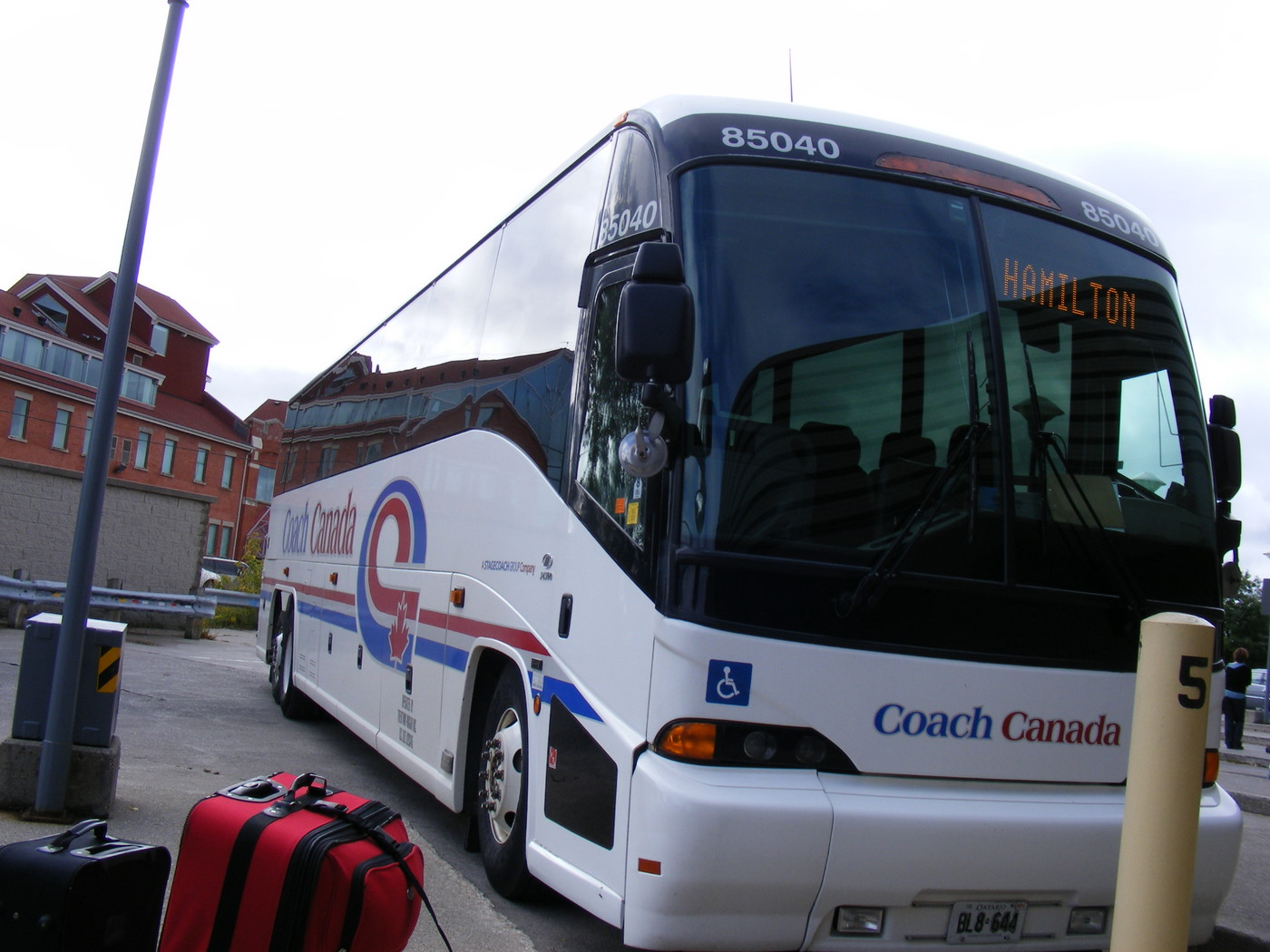
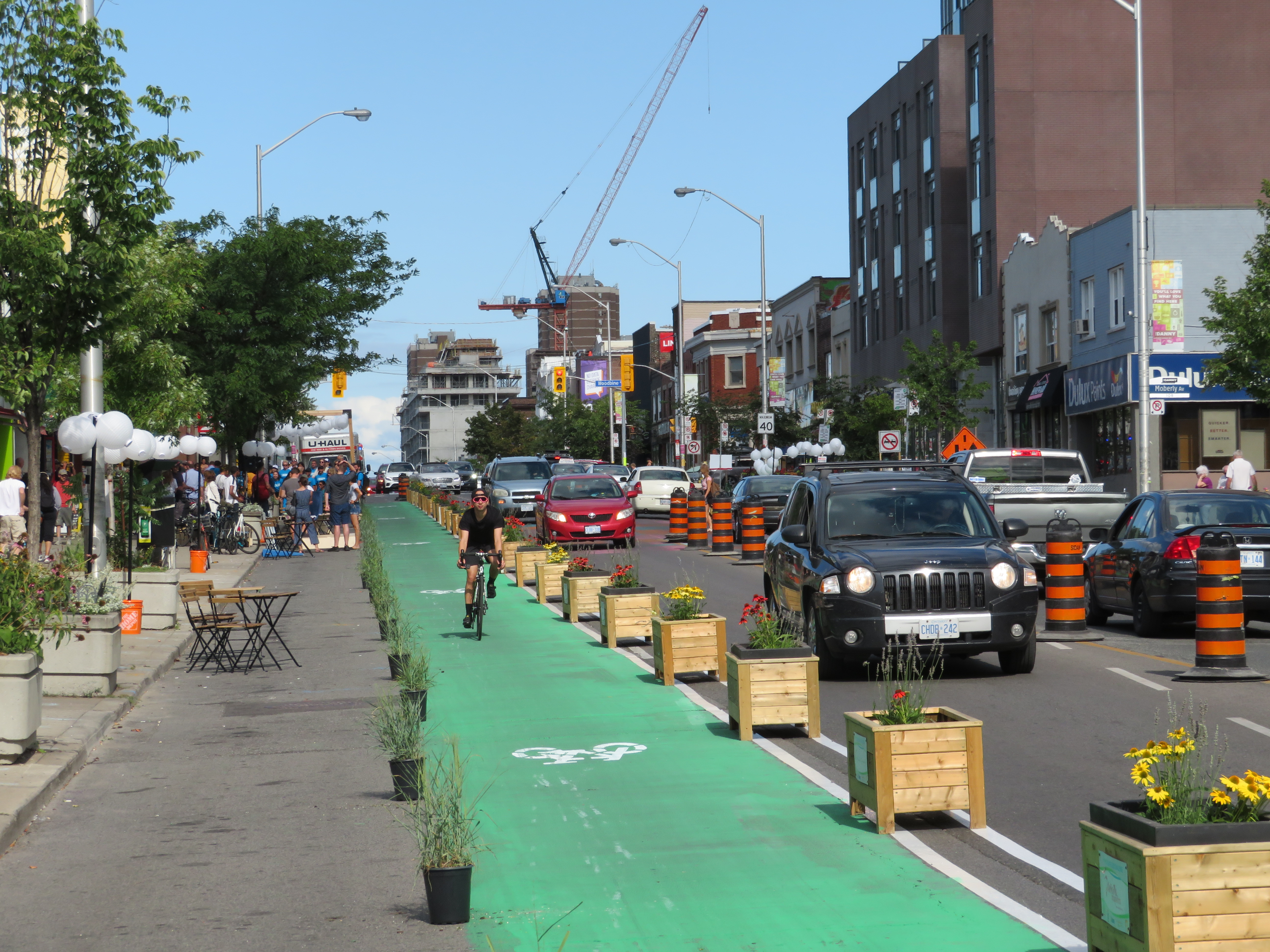
    4003585727_e8125d19a3_o.jpgCoach Canada bus to Hamilton, September 2009

    This Saturday, I will be joining fellow transportation advocates and experts in Downtown Guelph for the First Annual Transit Summit & Town Hall organized by Transit Action Alliance of Guelph (TAAG).  I’ll be speaking about the gaps in regional and intercity transit in Guelph and Southwestern Ontario.

    In the 1980s, there were direct buses from Guelph to Toronto, Brampton, Kitchener, Hamilton, Fergus and Elora, and Owen Sound. There were five VIA trains a day in each directions between Toronto, Guelph, Kitchener, and London. Though there are far more buses departing from Guelph than in the 1980s, they are mostly operated by GO Transit, all leading east towards Brampton and Mississauga. GO Transit rail service has improved, but it is still geared towards Toronto-bound commuters. Getting between Guelph and Hamilton by bus requires a transfer at Square One in Mississauga.

    I wrote about these gaps before on my own blog and for TVO. I will be speaking more about them — and possible solutions to the problem — on Saturday.

    Intercity bus links in Midwestern Ontario in 1983 and 2019.
    The 1983 map is an excerpt from Ontario Intercity Guide published by Ontario Ministry of Transportation; the 2019 is an edited version of the same image. 

    Other speakers at the Transit Summit include representatives from TTCRiders, TransportAction, and officials from the City of Guelph and Guelph Transit. The summit and town hall will be held at St. Andrew’s Presbyterian Church in Downtown Guelph on Saturday November 9 from 12:00 to 5:30 PM.

    You can register on TAAG’s website until Friday November 8.

  • Toronto’s Transit Secrets

    img_6063.jpg

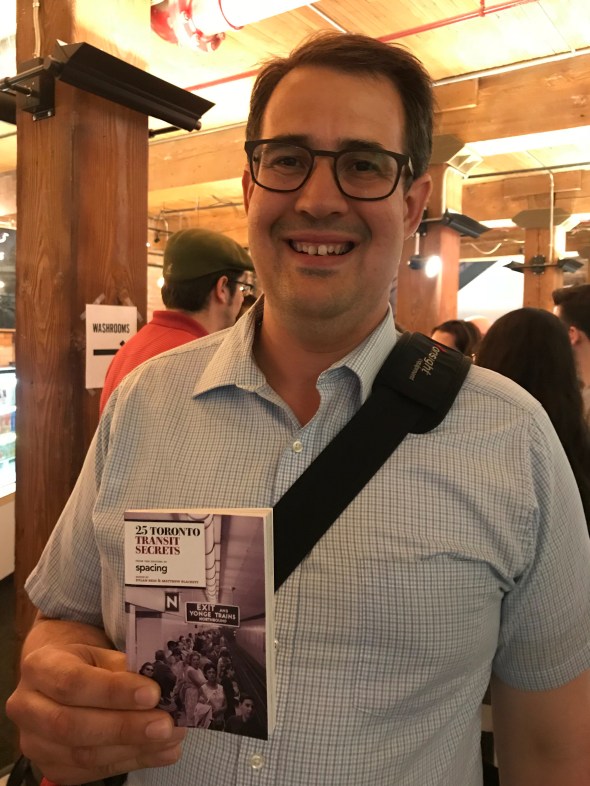
    Earlier this week, I attended a book launch at the Spacing Store at 401 Richmond Street West here in Toronto. While I have been to numerous book launches, often to support friends and colleagues, it was the first time it was for a book that I contributed to.

    As some of you may know, I am an occasional contributor to Spacing Magazine and Spacing’s website. My writing has allowed me to think and learn more about Toronto, and meet fellow engaged Torontonians. Spacing’s latest book, 25 Toronto Transit Secrets, contains stories, photographs, and maps that detail both the history and the operations of the TTC. For my part, I wrote about the ghostly reminders of abandoned streetcar routes, the history of the convoluted Harbord Streetcar, and what happens to the TTC’s streetcars when they’ve reached the end of the line.

    There are many other great stories as well. Read about the TTC’s safety mascot, Barney the Beaver, Toronto’s two ghost stations (Lower Bay and the lesser-known Lower Queen) and a history of the ferry service to Toronto Islands.

    25 Toronto Transit Secrets is edited by Dylan Reid and Matthew Blackett, who both deserve a lot of credit. Any writer knows that their work is dependent on editors not only proof-reading their work, but also providing guidance and support. I am always grateful for their encouragement and providing the opportunity to be published.

  • A farewell to 2017

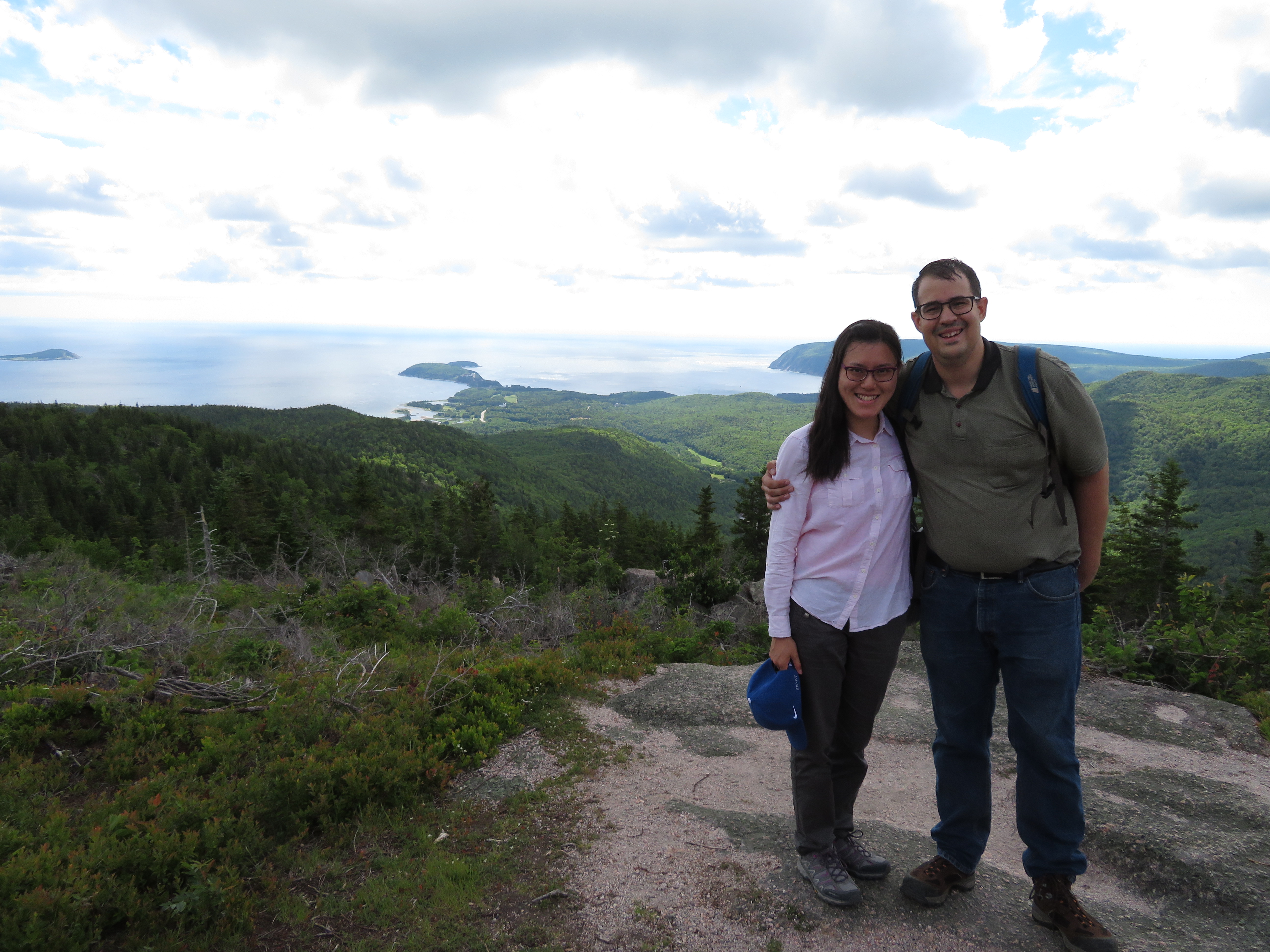
    IMG_0129-001At the top of the Franey Trail, Cape Breton National Park
    For me, 2017 was a great year. In June, I wrote about my life up to that point, looking back at some of the challenges I faced over the years, my ability to overcome them, and my accomplishments. I wrote that shortly before I got married to an amazing life partner, and together, we look forward to many great things.

    Elisa and I honeymooned out East, touring the Cabot Trail, Prince Edward Island, and Halifax before taking the train back home. We also visited Point Pelee for the first time, and made trips to Detroit, Chicago, and across Ontario, to places like Southampton, Sudbury, and Collingwood.

    I met a few new friends in 2017, and I also got to know some great people even better. Along with our own wedding, Elisa and I got to help celebrate three others this year.

    In Brockville, exploring the newly re-opened historic railway tunnel, I spent a few hours catching up with a high school friend who moved from Brampton to a town in Eastern Ontario. That was one of this year’s nice simple highlights. Day trips with friends and groups walks with others were another thing that made this year good. But also in 2017, I lost contact with a few people I knew, including another of my best friends from high school. I regret not keeping in closer contact; social media has its limitations.

    At my full time job, I stood up in front of an audience at an industry event, presenting the work that I did on an interesting interactive map that I developed. This year was one of  the most challenging years I had at work, but also one of the most fulfilling.

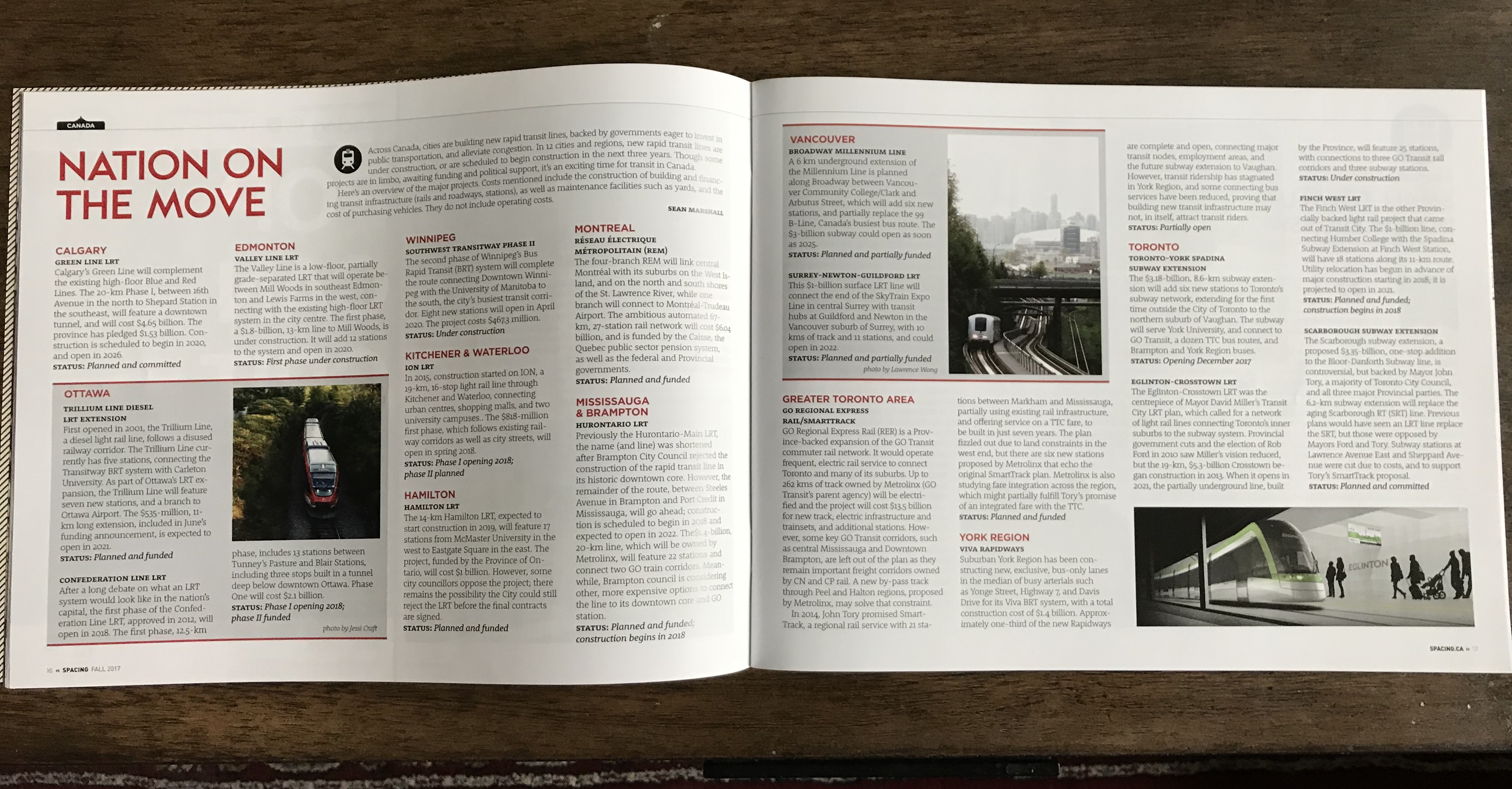
    2017 also marks the tenth year since I started writing on urban issues and transportation for fun. Spacing is one of my favourite publications, and it has been an honour to write for them on occasion. My first blog post described some of the places where Toronto’s old streetcars were sent to once they were retired by the TTC; my latest contribution, a full-page spread in the Fall 2017 issue of the print magazine, highlighted all the major transit projects across Canada planned or in progress. This year, I also wrote for Torontoist and TVO, and of course, in my own blog.

    IMG_1524.jpgNation on the move: my latest article in Spacing
    In 2018, I look forward to many things: a trip to see family and new places in Europe, catching up with friends, having some more writing opportunities, new challenges at work, and a municipal election, where three new wards will help deliver some new faces to Toronto City Council. Maybe, too, there will be a strong mayoral candidate worth supporting.

    My top six posts of 2017

    These six articles might not be the most read, but they are among my favourite posts in 2017. They all deal with some of my favourite subjects: urban planning, transit, and local history.

    • Ontario’s land use scandal: Another greenfield hospital for Niagara: A commentary on poor land use planning decisions (which I have discussed previously on this blog) which puts major health and educational institutions far from where people live, on sites difficult to serve by transit.
    • Hallam Street and the Harbord Streetcar: The history of Hallam Street in west end Toronto and the Harbord Streetcar, which was one Toronto’s most interesting carlines until it was abandoned in 1966.
    • How intercity bus service is failing Ontarians: my first article for TVO, I examine how the intercity bus network in Ontario declined since the 1980s, and how many communities in the province have since become disconnected.
    • A need for high speed rail reality: an article I posted to Spacing, as I express my skepticism for the province’s proposal for a high speed rail line between Toronto, Kitchener-Waterloo, and London, with a possible extension to Windsor. It’s an interesting contrast to the neglect paid to rural bus services.
    • Toronto’s Zero Vision and the folly of Seniors Safety Zones: Putting up a few new signs as part of a reluctant response to an unacceptable level of road violence isn’t  Vision Zero, it’s Zero Vision. As a pedestrian advocate and co-founder of Walk Toronto, I believe that the city does a lousy job of protecting its residents from injury and death on its roads.
    • Rosedale NIMBYs Push Back Against Four-Storey Condo: There are few things more fun than writing about entitled, unreasonable NIMBYs.
  • My life, so far

    Sketch

    I’ll be taking a break from writing on this blog and elsewhere for a few weeks. I will be preoccupied, as I’m getting married, then leaving for my honeymoon in Nova Scotia and Prince Edward Island.

    For many years, I never thought that I would become as happy as I am now. During my three dozen years on this planet, I have struggled through two bouts of life-threatening childhood illness, and their long-term side effects, bullying, depression, low self-confidence, criminal intimidation and civil litigation, and not knowing where I stood in life.

    On the positive side, I have always benefited from a loving and supportive family and a small core of wonderful friends. And I have found an amazing life partner.

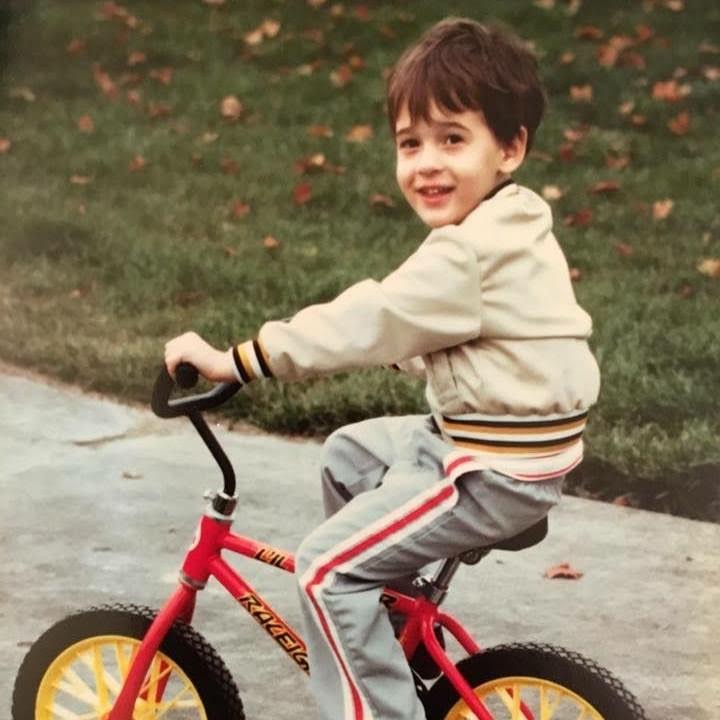
    Growing up, I was a socially awkward child, a true nerd. At the age of three, I was collecting and studying maps. By four, I was drawing maps and creating fantasy cities. I bugged my parents to take me to Toronto to ride streetcars and even the Scarborough RT when it was still new in the 1980s. I was destined to be a geographer or an urban planner.

    bike.jpg
    I was also clearly destined to go on long bike rides, exploring southern Ontario. 

    (more…)

  • Talking with Two Twits

    Recently, I sat down with Darren Foster (Cityslikr), of the blog All Fired Up In The Big Smoke, and Paisley Rae to discuss the results of the last municipal election, particularly the ward-level election maps that I created back in December 2014 and in January and February 2015.

    It was my first time participating in a podcast. As I stated at the start of the mapping project (and this website), this was something that I was doing entirely for my own interest.  At first, I only sought to map the most interesting wards, but eventually I resolved to set up a blog and to create a map for each and every council race and the mayoral race in every ward. I was happy, and humbled, to gets lots of positive feedback. I’m hopeful that with new ward boundaries in 2018, and a renewed interest in the ward races, we’ll finally get to see more new, progressive faces at City Hall that better reflect the diversity of this great city.

    If you want to hear what I sound like in conversation, and maybe learn a bit about the last election and why the next election in 2018 matters so much, I encourage you to have a listen.

  • Streetcars of desire: why are American cities obsessed with building trams?

    IMG_5868-001

    Back in January, I posted my thoughts on some of the new streetcar systems being built in the United States after visiting Detroit, Cincinnati, Atlanta and Tampa on a Florida road trip. I soon cross-posted the article to Spacing, where it got more interest.

    Not long after the Spacing cross-post was published, I got a message from Guardian Cities. The editor, Mike Herd, asked me if I was interested in writing a similar piece, expanding on my post and discussing the difference between the streetcars in my hometown of Toronto, and the new systems being built in the US.

    It was an interesting experience, and one where I came to appreciate the role that content editors have. The article went through several major changes until we were all happy with the final product.

    You can read my Guardian Cities article, which was published on Friday, here:

    Streetcars of desire: why are American cities obsessed with building trams?

  • Welcome!

    So, this is my first post on my new website. Welcome!

    I guess I was born to be a geographer. I’ve been collecting and studying maps since I was three years old. I always loved cities and their transportation networks as well. I ended up becoming a geographer by training (I have both a BA and a Masters’ degree in geographic/spatial analysis); today my day job has me creating maps and analyzing data.

    I’ve also had an interest in politics for many years, though my participation has been limited to involvement with my student union and volunteering for a few municipal and federal election campaigns. I am also involved in advocating for pedestrian and transit issues here in Toronto.

    But I’m hoping to do more. Recently, I have been busy posting maps on Twitter showing poll-by-poll results of the recent municipal election here in Toronto. While many election observers were closely following the mayoral race, I was more interested in the wards. In 2018, I predict Mayor John Tory will be re-elected easily, so it’s the local races that will matter.

    I was most interested in having a permanent place to make those maps available to a wider audience; this is why I started this blog. I also intend to post photos and thoughts about all sorts of things that I find interesting as well. I go on occasional long-distance bike rides, as well as the occasional road trip, so you’ll find all sorts of articles posted here.

    I hope you enjoy!