Category: Urban Planning

  • A tale of two university campuses

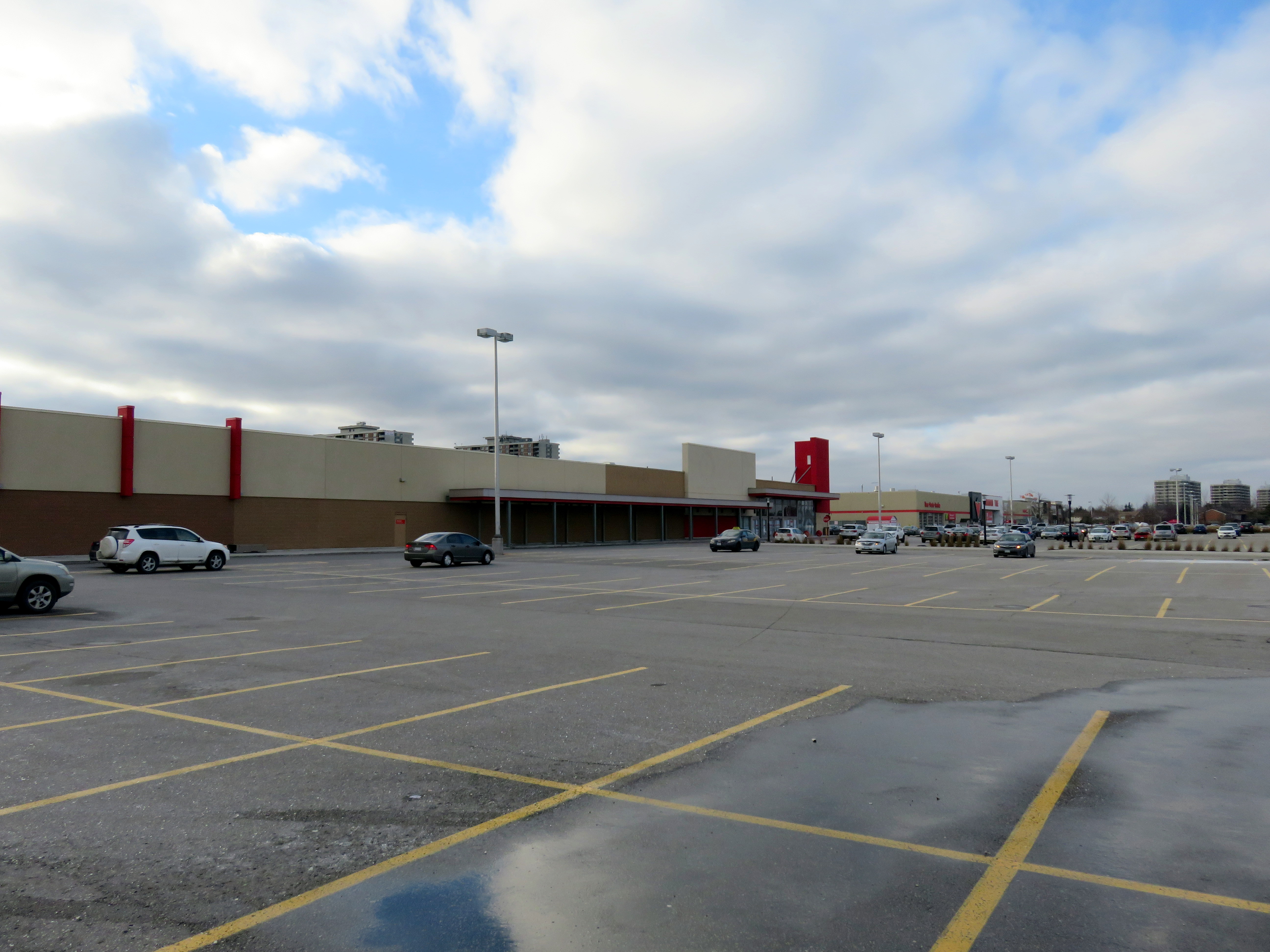
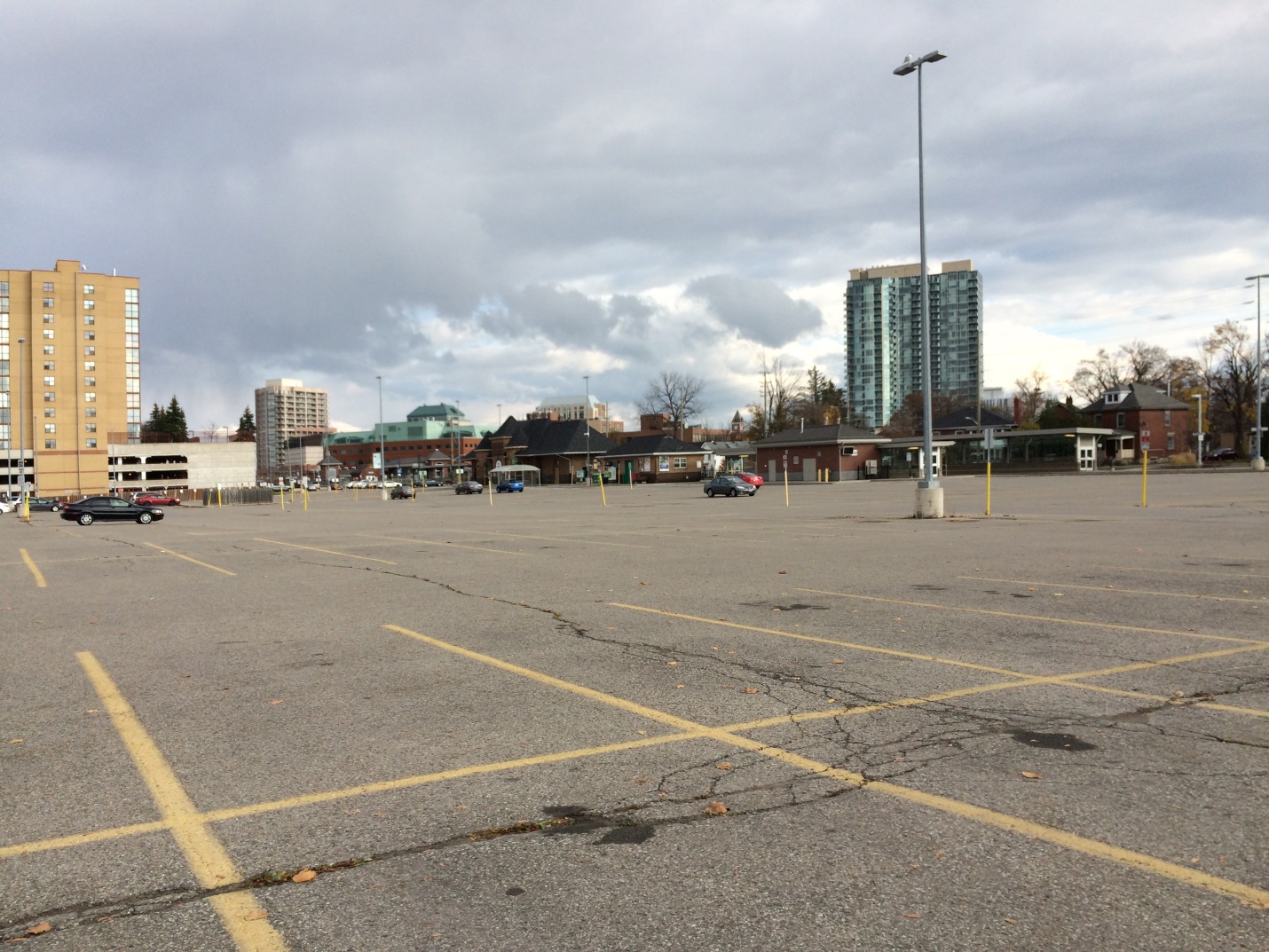
    BramptonParkingLot
    Site of Brampton’s new Ryerson/Sheridan campus

    Last week, the provincial government announced two new post-secondary educational campuses in Toronto’s fast-growing western suburbs, due to open in 2022. Wilfrid Laurier University will be partnering with Conestoga College on a new facility in Milton. Brampton will be getting a new Ryerson University campus in partnership with Sheridan College. Both new campuses, each receiving $90 million in provincial capital funding, will be focused on undergraduate STEAM (science, technology, engineering, arts, and mathematics) programs. Both will host up to 2,000 students once the new facilities are fully operational.

    Despite the many commonalities between the new Milton and Brampton facilities, the announced campus locations could not be any more different. Milton’s Laurier/Conestoga campus (which I previously wrote about as an example of the problems of greenfield institutions) will be located on a new greenfield site on the southwestern outskirts of the town’s built-up area, while Brampton’s Ryerson/Sheridan campus will be located in that city’s downtown core, on a site currently used for commuter parking. But since GO Transit’s free commuter parking has to go somewhere, Metrolinx has been buying up and demolishing houses and offices on a nearby downtown block.

    I compared the two new campuses for TVO

  • What’s going on in Downtown Brampton?

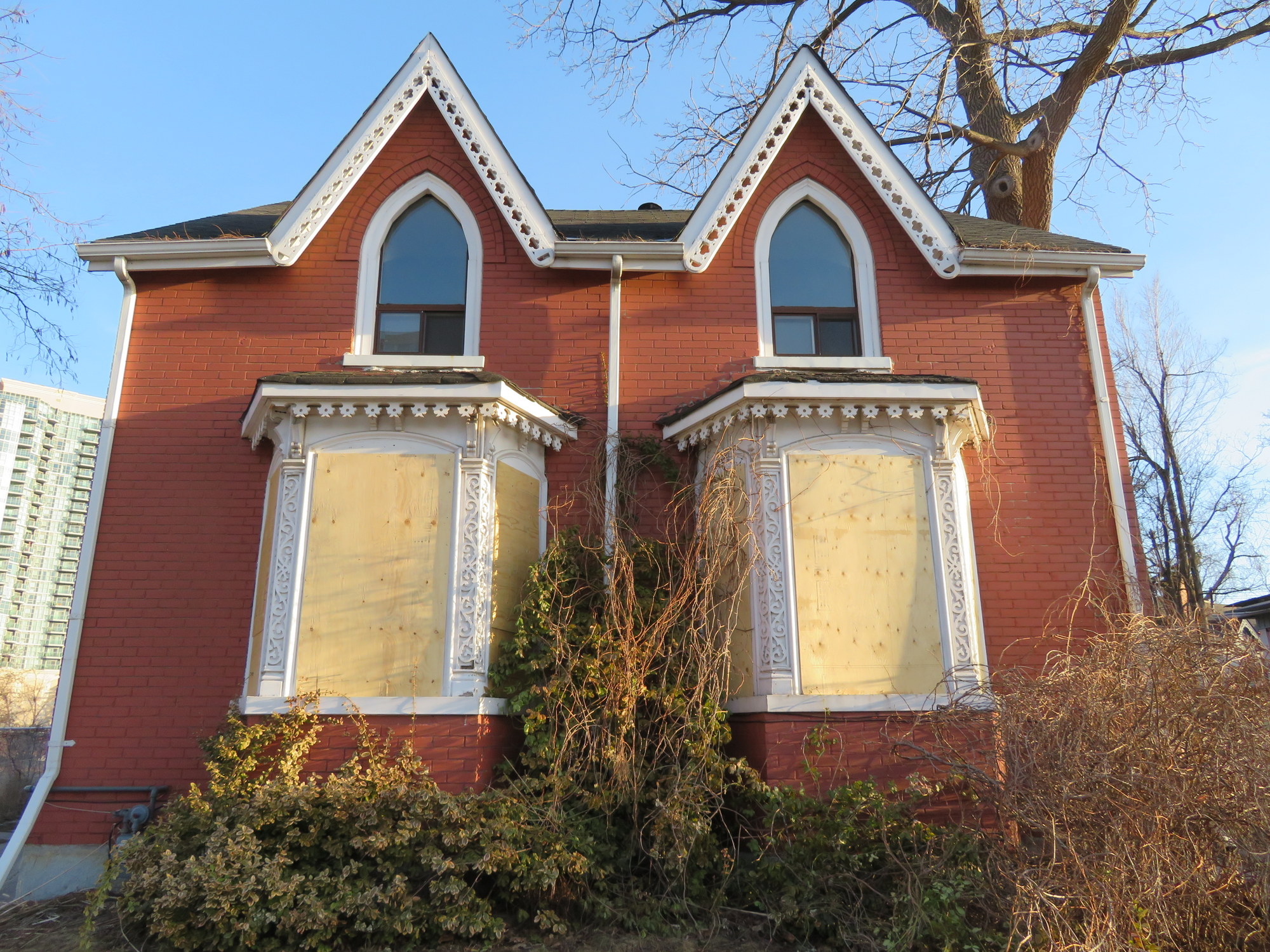
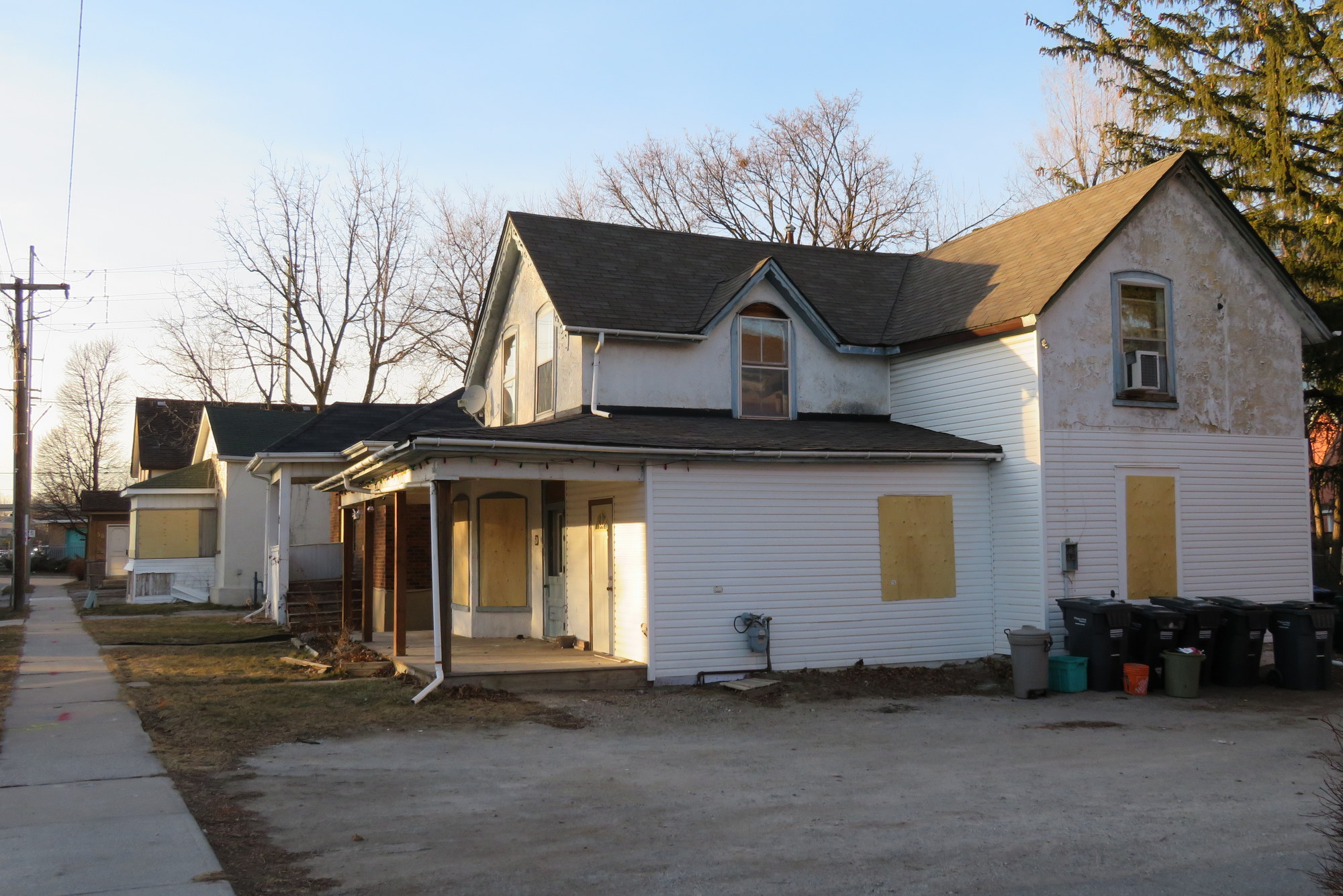
    IMG_6139-0015 Railroad Street, on the City of Brampton’s heritage registrar, is one of several houses recently boarded up in Downtown Brampton
    Update April 19, 2018: the location for Ryerson’s new Brampton campus was announced this morning. The 2000-student campus, which will be a partnership between Ryerson University and Sheridan College, will be built at the corner of Mill and Church Streets, on the GO Transit parking lot. This explains Metrolinx’s (GO Transit’s parent agency) purchase and demolition of properties south of the rail corridor, on Nelson, George, Railroad, and Elizabeth Streets, which I wrote about below.

    While it remains unfortunate that surface parking will replace housing and offices, at least in the short-to-medium term, at least we now know what’s going on in Downtown Brampton. The downtown campus site, with excellent transit links, is the right location.


    Nearly two years ago, I wrote about how Metrolinx, the Province of Ontario’s regional transportation authority, had purchased several houses and two office buildings in Downtown Brampton. The intention at the time was to build a new surface lot to accommodate GO Transit commuters, a symptom of the commuter transit system’s dependence on providing parking.

    Metrolinx is responsible for GO Transit, the UP Express airport rail link, the Presto farecard, and planning and constructing transit infrastructure in the Greater Toronto and Hamilton Area.

    Since my 2016 blog post, three dwellings — 28A and 28B Nelson Street West, a semi-detached house, and 42 Elizabeth Street North — were demolished, but there was little other visible change until this month. Now eight more houses — on Elizabeth Street and Railroad Street have been boarded up and their electricity disconnected, including at least one rooming house that was occupied until very recently. The two office buildings — 29 and 37 George Street — are also emptying out.

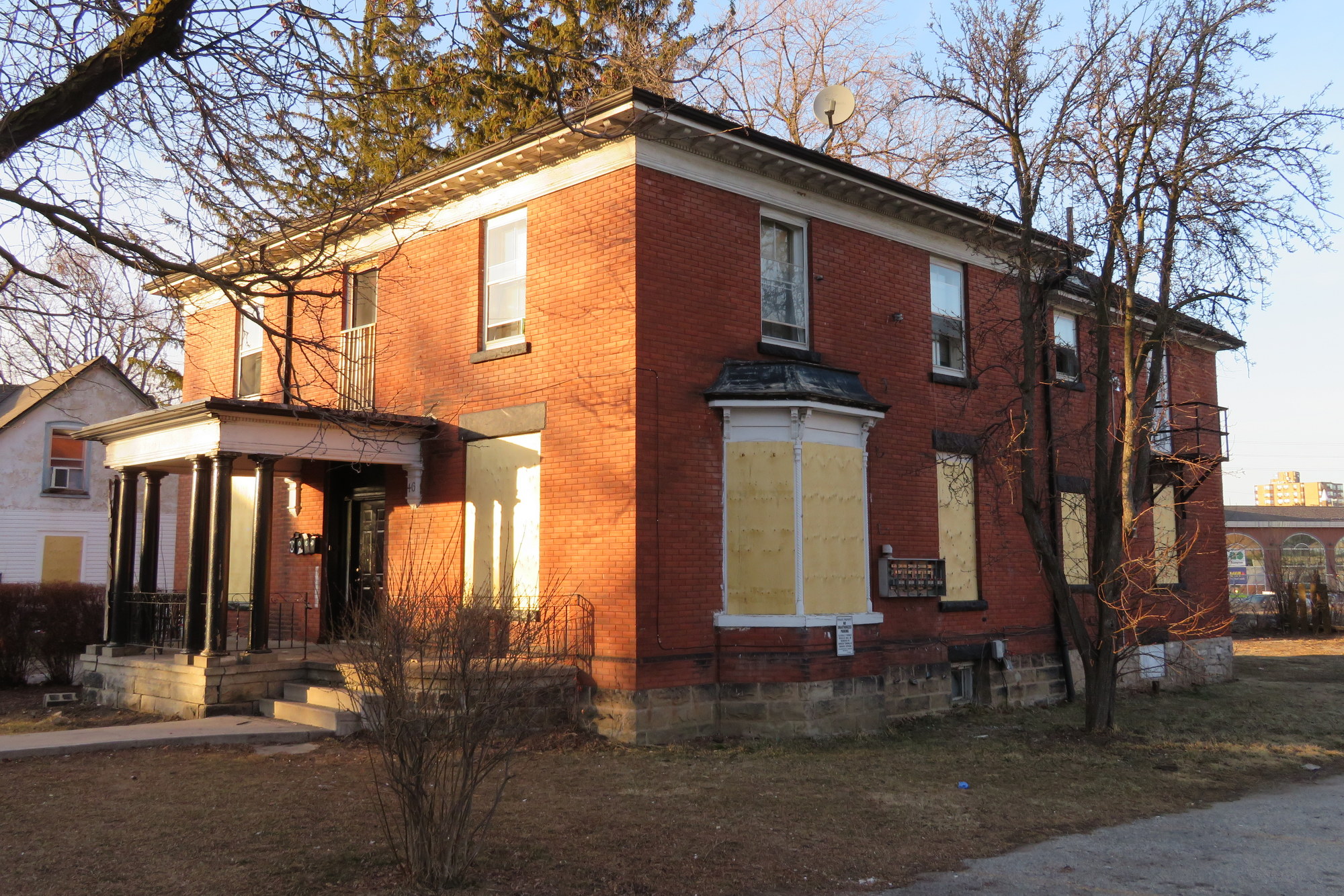
    Four of these properties — 30 Nelson Street West, 46 and 50 Elizabeth Street North, and 5 Railroad Street — are listed by the City of Brampton as containing heritage resources.

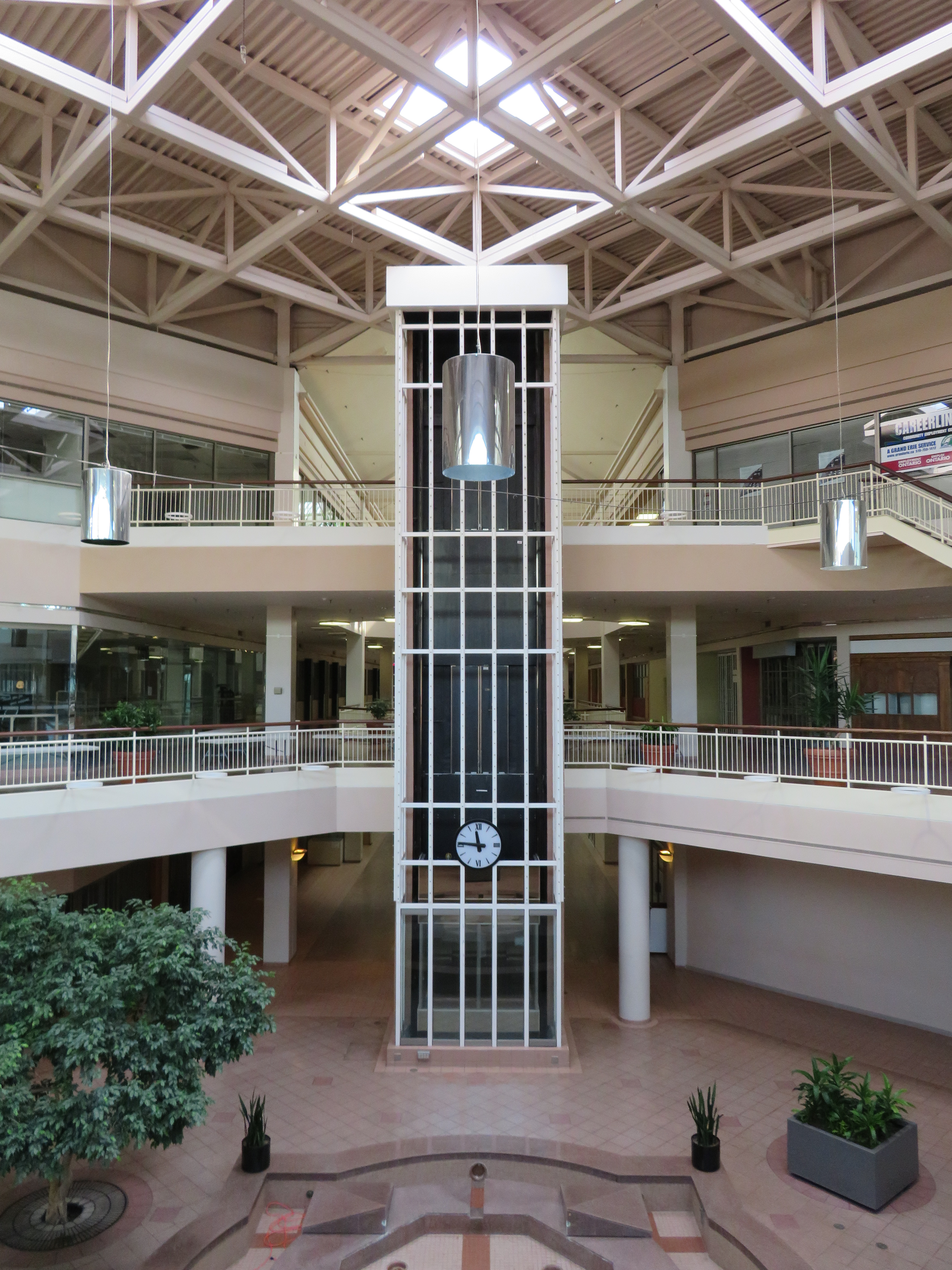
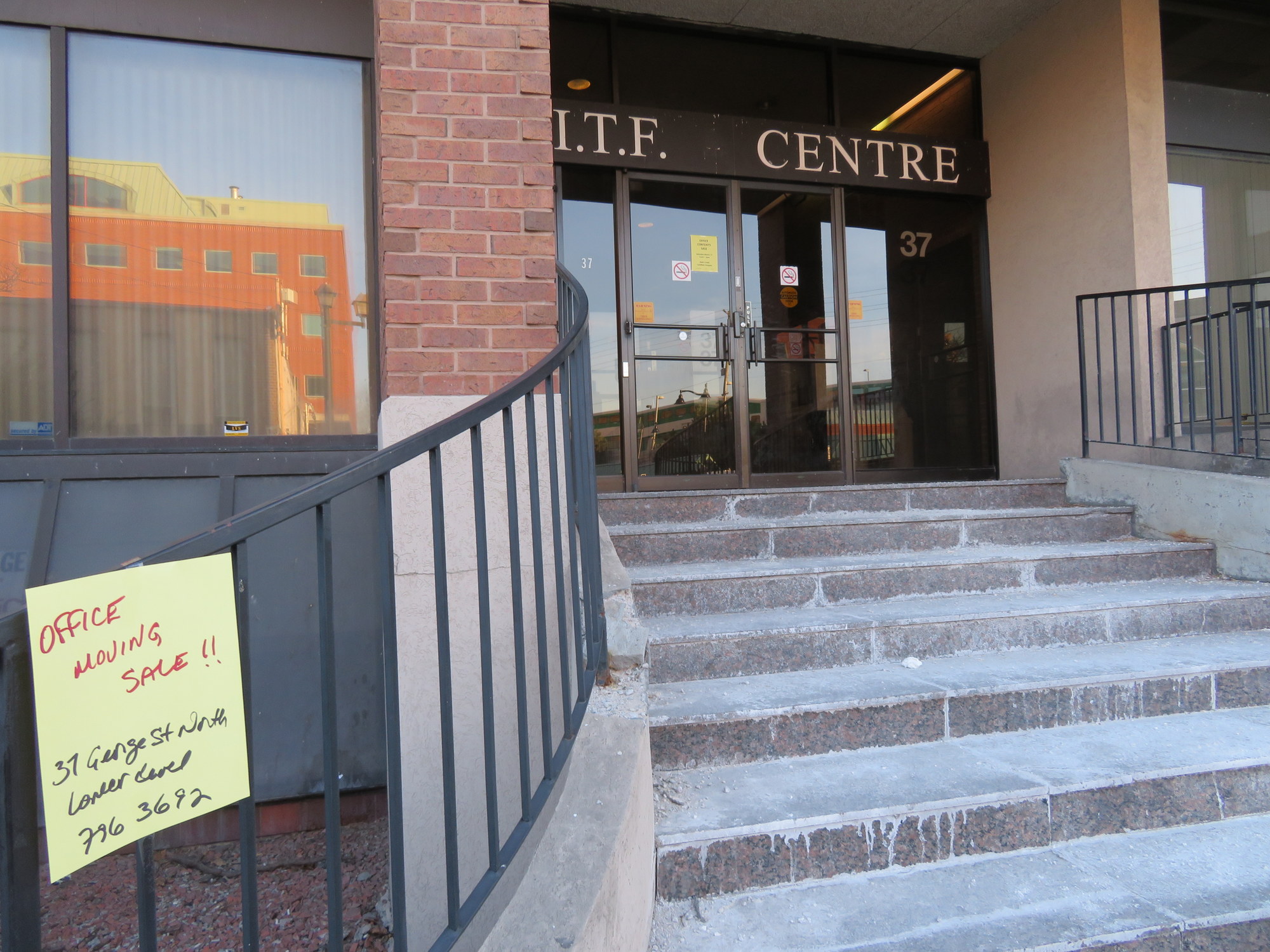
    IMG_6153-001Offices at 37 George Street are moving out
    So what exactly is going on? Why has Metrolinx purchased twelve homes and two offices in Downtown Brampton? Is it for a surface parking lot as previously reported in 2016? Or does this have to do with recent plans for a new Brampton campus of Ryerson University?

    The City of Brampton has been assembling land and buildings nearby, including 8 Nelson Street West, a six-storey office building above the downtown bus terminal. The city also owns the old Loblaws store on the southeast corner of George and Nelson Street. As Bramptonist‘s Divyesh Mistry found, Metrolinx noted “…continued collaboration between Metrolinx staff […] with the City of Brampton and Ryerson University on the Brampton Station redevelopment.”

    IMG_6148-001
    Houses on Elizabeth Street North recently vacated and boarded up. 

    If this land assembly is, in fact, to support a yet unannounced Ryerson University campus site on this block or on the existing Brampton GO Station parking lot, then this is on the whole very good news, though I remain concerned about the loss of downtown housing, particularly rooming houses and affordable apartments that some of older homes in the area have been divided into. A downtown campus with excellent transit links — GO Transit and several Brampton Transit bus routes — makes more sense than Milton’s plans for a greenfield campus for Wilfrid Laurier University distant from GO Transit’s bus and rail lines.

    IMG_6149-00146 Elizabeth Street North, a rooming house with heritage status, is now boarded up, with the electricity disconnected. 
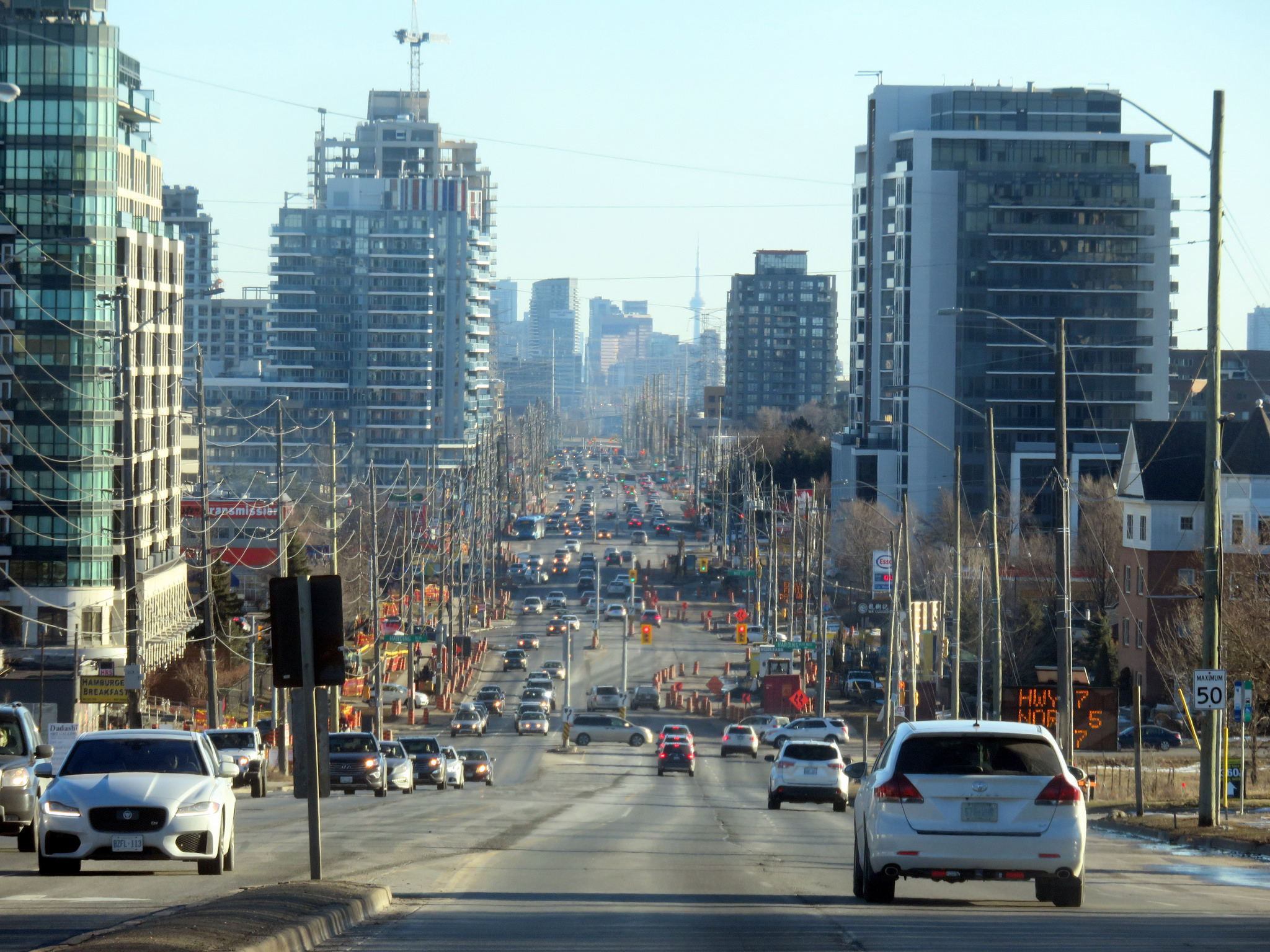
    Unlike a competing university campus site near Etobicoke Creek backed by New Brampton (a politically influential group of local business and landowners who also opposed the Hurontario-Main LRT route), the GO Station and the Nelson/Railroad/Elizabeth Street buildings are outside the historical floodplain and can be built quicker.

    If the existing GO Transit parking lot were to be used for Ryerson’s Brampton campus, then an alternative parking site would be required — hence the recent purchase and the demolition of these homes and offices. The construction of a new surface lot in an designated “anchor hub” — where rapid transit lines meet and urban intensification is encouraged — would be most unfortunate, but I hope that it will not be a long-term solution. On the other hand, a new university campus is exactly the type of land use that should be located at an “anchor hub.”

    So far, local officials have kept very quiet about the land assembly on the block surrounded by George, Nelson, Elizabeth and Railroad Streets, perhaps waiting for approvals from the province and Ryerson University before making a public announcement. But with residents and office tenants displaced and houses boarded up suddenly, confirmation of these plans should come soon.

  • The John Tory Way

    32267768383_8c2f20d0d5_k
    Yonge Street looking south from Richmond Hill

    There’s an episode of The Simpsons where Homer Simpson changes his name to Max Power, after he’s ridiculed for sharing the name with a buffoonish television character. It’s not a great episode — it came out at the time the show was in transition from its glory years to the “Zombie Simpsons” era — but it has a few good laughs.

    There’s one good memorable quote:

    — “There’s the right way, the wrong way, and the Max Power way!”
    — “Isn’t that the wrong way?”
    — “Yeah, but faster!”

    On important transportation projects, the John Tory way is the wrong way, but costlier. We’ve seen this several times during his mayoralty.

    When it came time to replace the underused eastern section of the Gardiner Expressway, Tory and his suburban allies on council voted in favour of a more expensive “hybrid” option that maintains much of the elevated highway, instead of a cheaper at-grade option that would provide a better pedestrian realm on the Eastern Waterfront and better support new development.

    In Scarborough, Tory stubbornly supports building a one-stop subway extension that was last estimated to cost $3.35 billion dollars, instead of supporting a seven stop LRT route from Kennedy Station that would extend the existing grade-separated Scarborough RT route to Centennial College and Sheppard Avenue. A proposed SmartTrack station at Lawrence East (whose estimated construction cost has risen from $26 million to $155 million) may not be able to be built while the Scarborough RT is still in operation.

    And on February 27, Toronto’s Public Works and Infrastructure Committee (PWIC) voted against plans backed by city staff, the local councillor, John Filion, and many residents and road safety advocates, to transform Yonge Street in North York Centre between Sheppard and Finch Avenues. This section of Yonge Street is due for reconstruction, hence the opportunity to rethink the street to better serve the community.

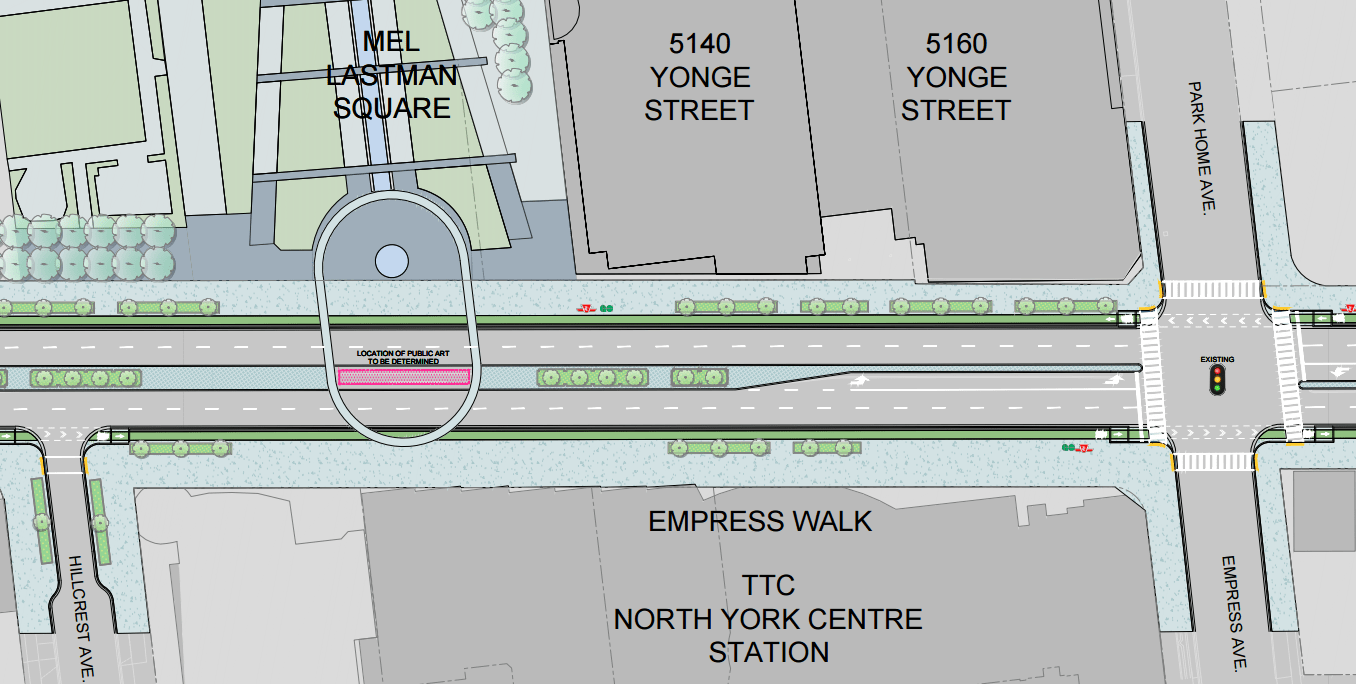
    The REimagining Yonge Street plan seeks to improve the pedestrian realm with widened sidewalks, would add new cycling infrastructure. To make room for these improvements, two traffic lanes — used for street parking outside of weekday rush hours — would be removed. This stretch of Yonge Street has seen many new condominium towers built over the last decade, and there are three subway stations serving this stretch of Yonge Street.

    Mayor Tory, who has the power to select committee chairs and members, stated his preference for the status quo on Yonge Street, suggesting that the bike lanes be moved one block west, to Beecroft Avenue. PWIC moved for this alternative option as well, even though city staff reported that the change would cost an additional $20 million.

    YongeCrossSectionYonge Street between Sheppard and Finch Avenues would have seen new separated bike lanes, wider sidewalks, and new public art. (From the EA materials.)

    The decision to maintain the status quo on Yonge Street benefits commuters outside of Toronto more than local residents, so it is puzzling why Mayor Tory has declared his support — once again — for an option that puts drivers first. Nearly three-quarters of rush-hour drivers on Yonge Street through North York come from York Region. A majority of residents take transit, walk, or cycle; they would benefit from a safer, more pleasant street. Moving the bicycle route to Beecroft Avenue serves to move cyclists out of the way of cars, rather than providing a direct route with better access to transit, shops, and homes.

    With Doug Ford focused on the Ontario Progressive Conservative party leadership race, there are — as of yet — no high-profile challengers to Mayor Tory’s re-election bid. There is no need to pander to a voting bloc angered by a so-called “war on the car” unless Tory actually supports suburban commuters over his own constituents. And this decision will only cost more money.

    Once again, Mayor John Tory has chosen the wrong way.

  • Ontario’s failed downtown malls

    IMG_0392.JPG
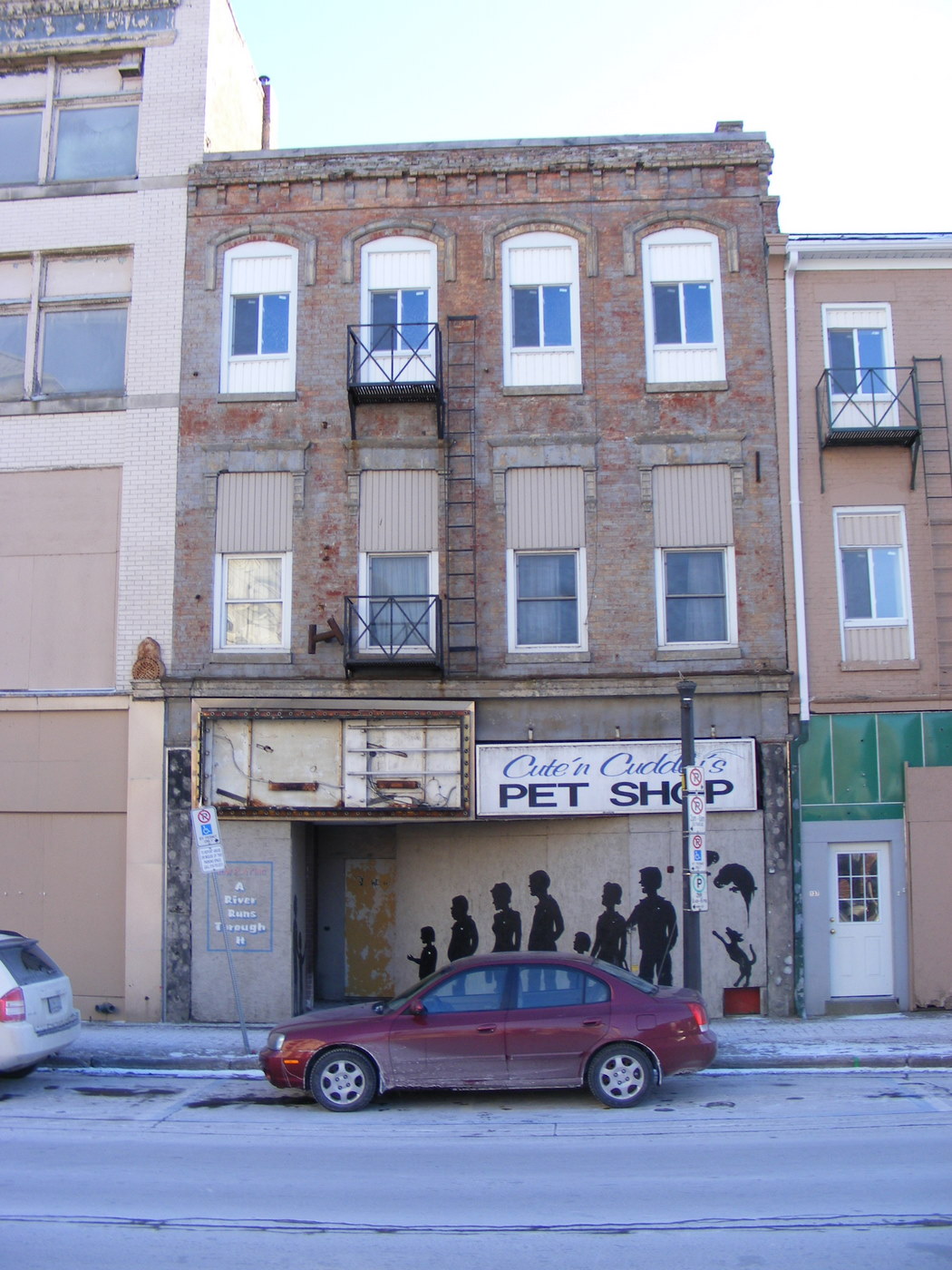
    Bayside Mall, formerly the Sarnia Eaton Centre, on a Saturday morning in 2013. Most stores are vacant or occupied by non-profits or independent businesses.

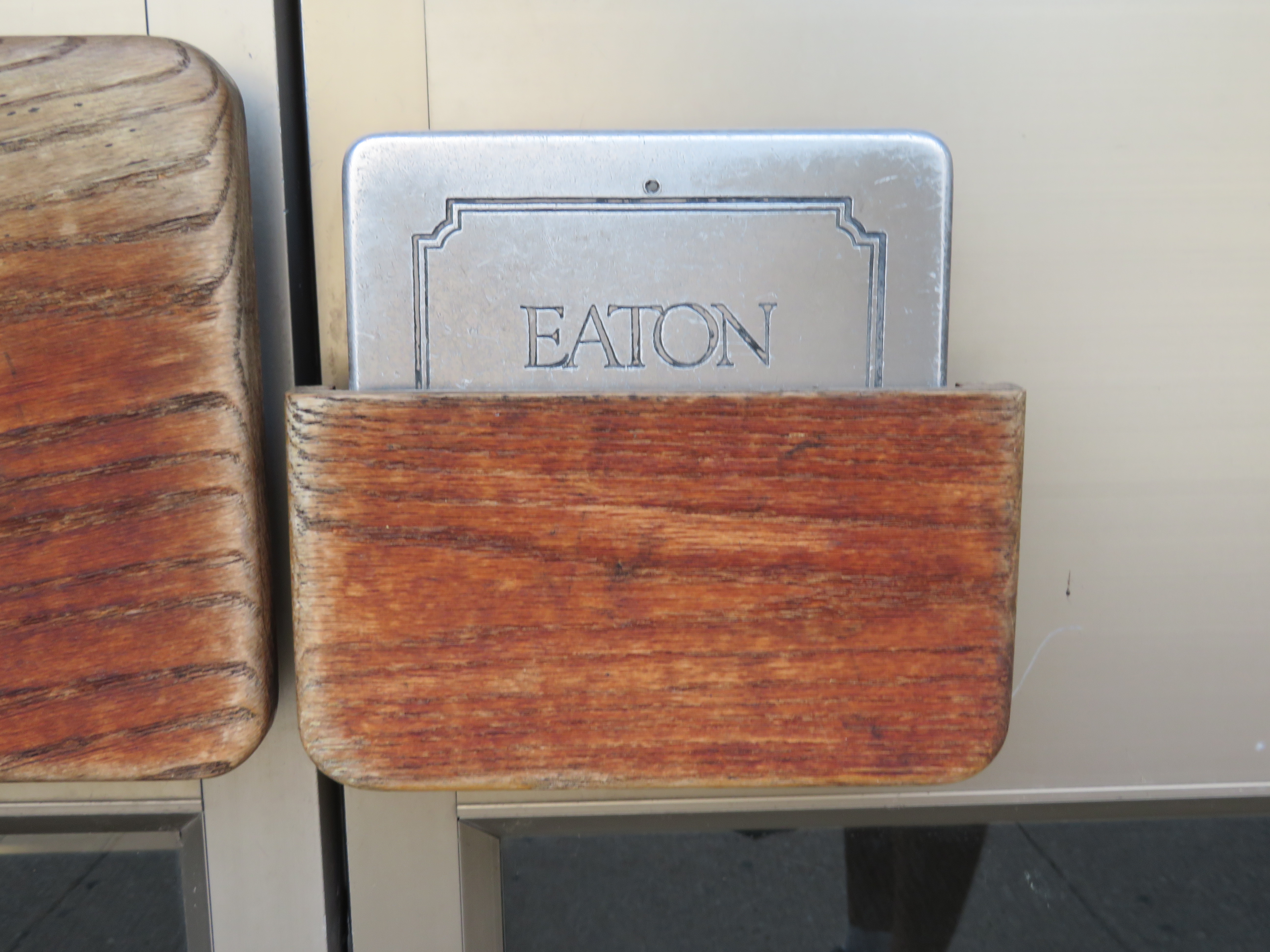
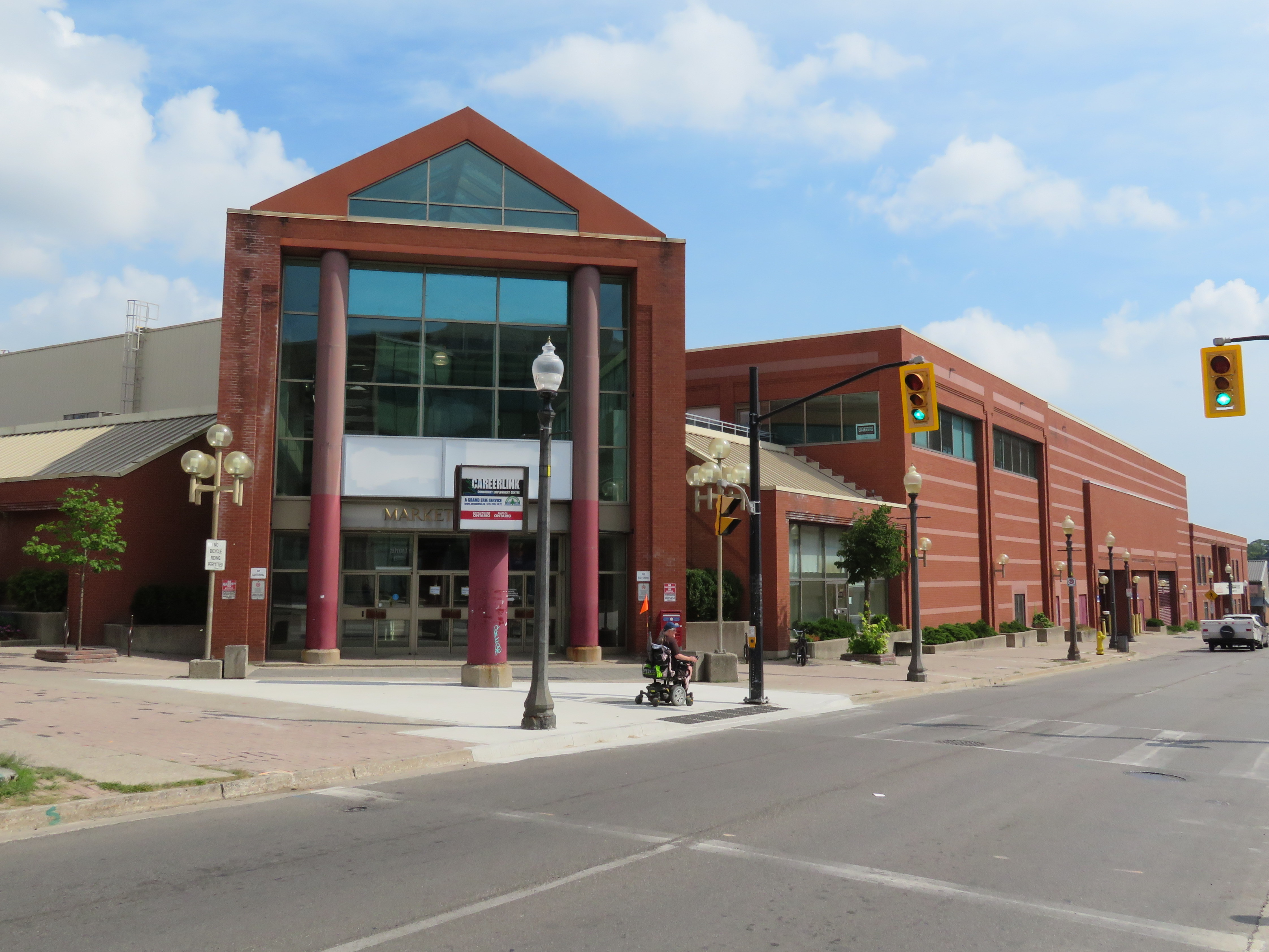
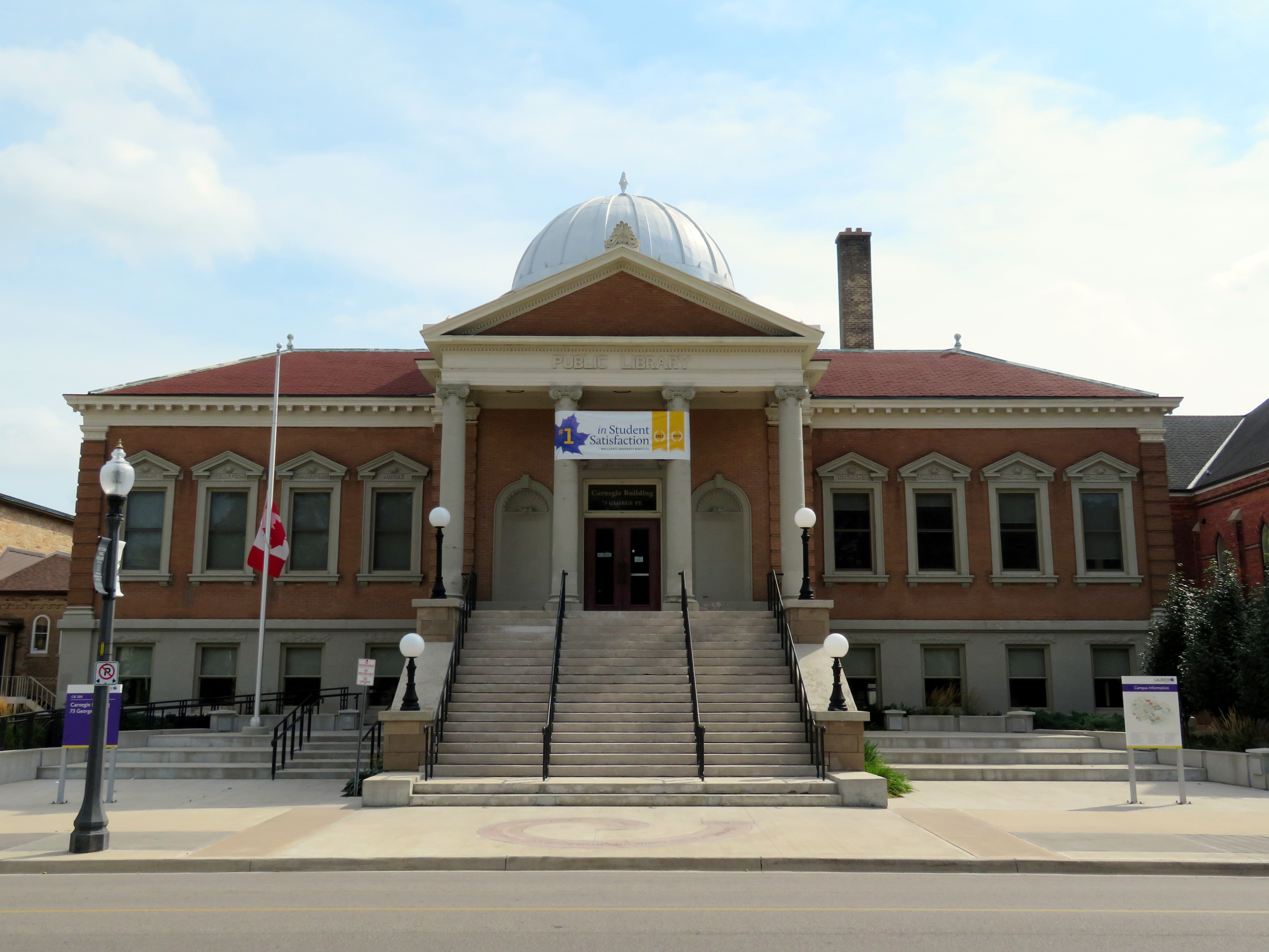
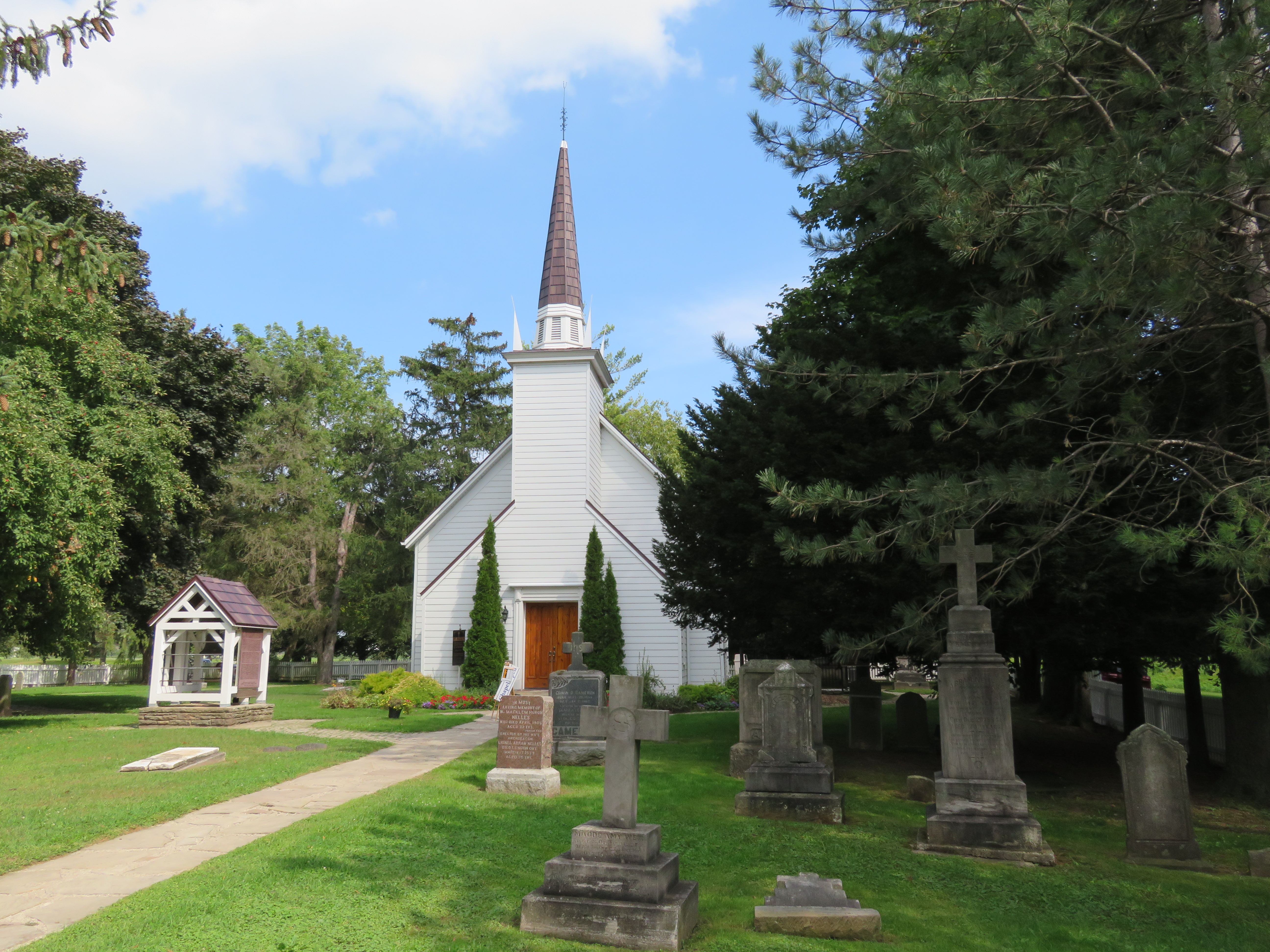
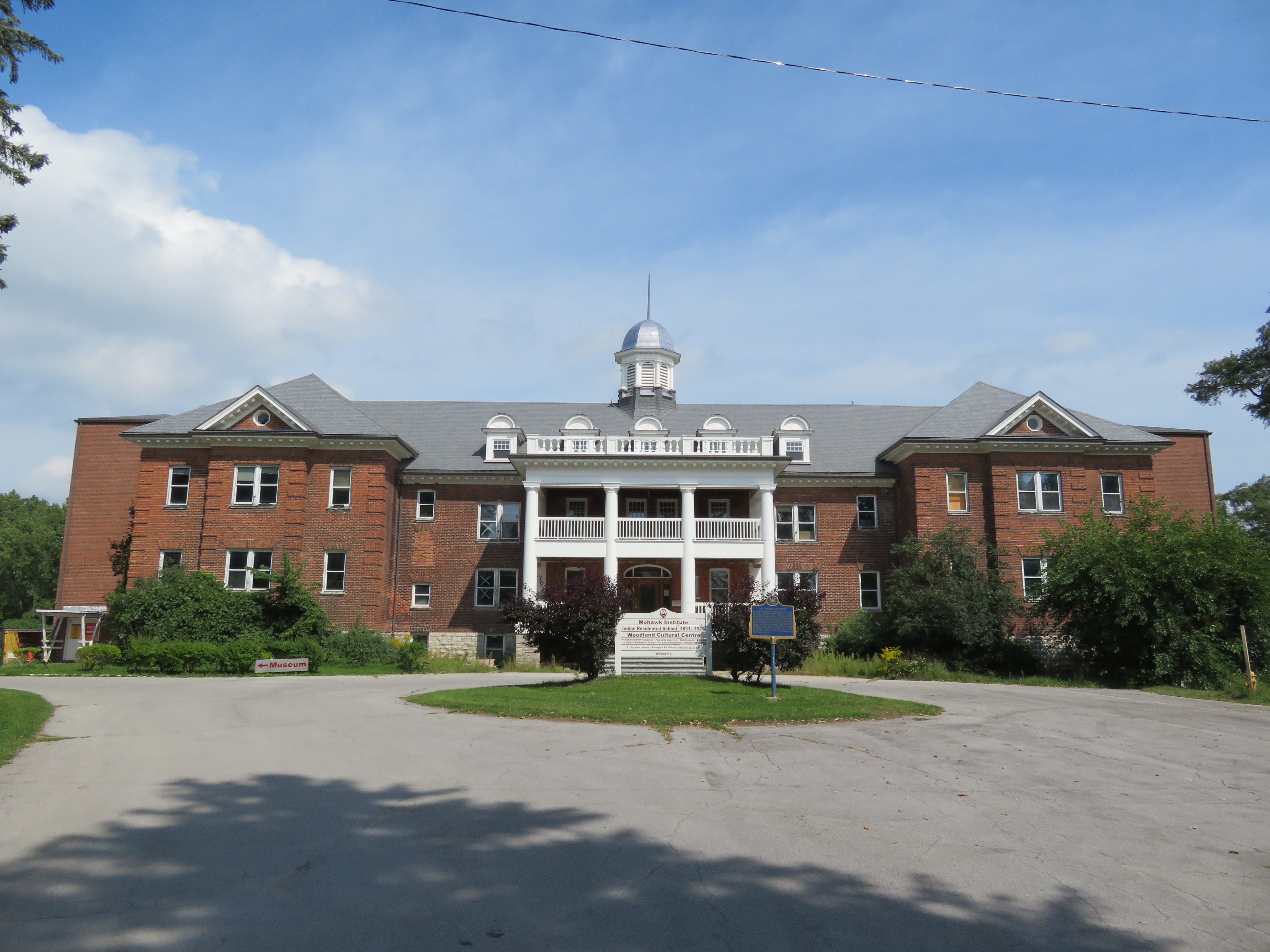
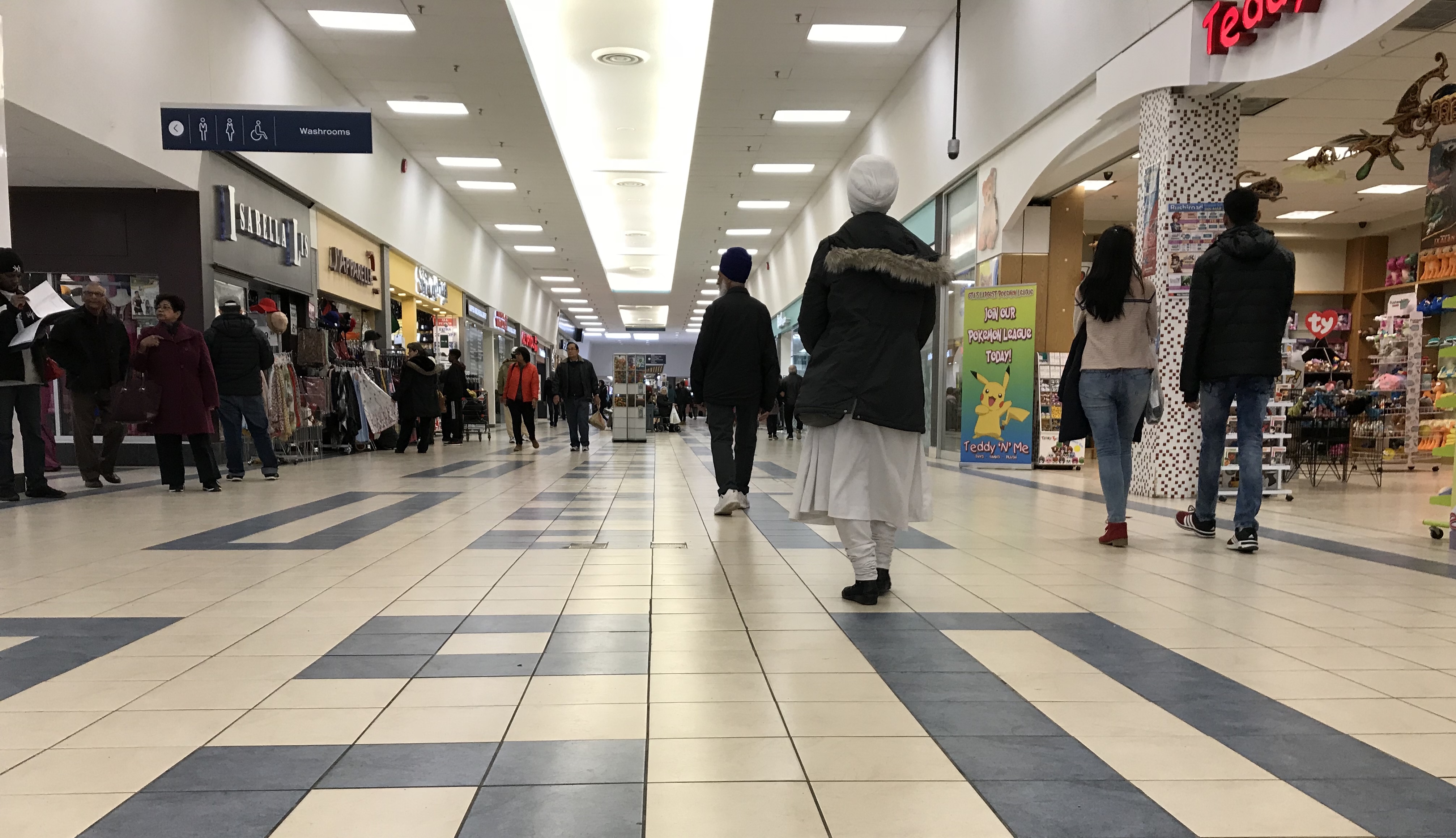
    The Toronto Eaton Centre, large, famous, and vital, is only one of many malls built in the downtown cores of Ontario cities between the 1960s and 1990s. From Thunder Bay to Cornwall, the construction of new enclosed shopping centres were seen as a necessary tool to keep the old city centres vibrant and relevant in the face of competition from new suburban malls. But only in the province’s two largest cities did the concept work. Elsewhere, these urban shopping complexes were left largely vacant within ten years of opening, when leases expired. When the Eaton’s department chain went bankrupt in 1997, huge voids were left behind that developers and municipalities struggled to fill.

    The Toronto Eaton Centre was opened in two phases between 1977 and 1979. It added hundreds of shops and new office space to Downtown Toronto, anchored by a new Eaton’s flagship and was connected to the Simpson’s store across Queen Street. Today, the Eaton Centre is Canada’s second largest mall (including the Hudson’s Bay/Saks Fifth Avenue building) and the Toronto region’s second most productive shopping centre in terms of sales per square metre. In Ottawa, the downtown Rideau Centre, opened in 1983, is the busiest and most productive mall in that region (Retail Council of Canada, 2016).

    But elsewhere in Ontario, downtown malls — mostly built with municipal and/or provincial government support — have been, without exception, commercial and urban development failures. Not only did they suffer from high vacancy rates, they helped to wreck the downtown cores they are located in rather than foster the economic revitalization they once promised.

    (more…)
  • Why Finch West is the best of Toronto’s new subway stations

    IMG_4738-001.JPG
    The dream is finally a reality for thousands of York University students

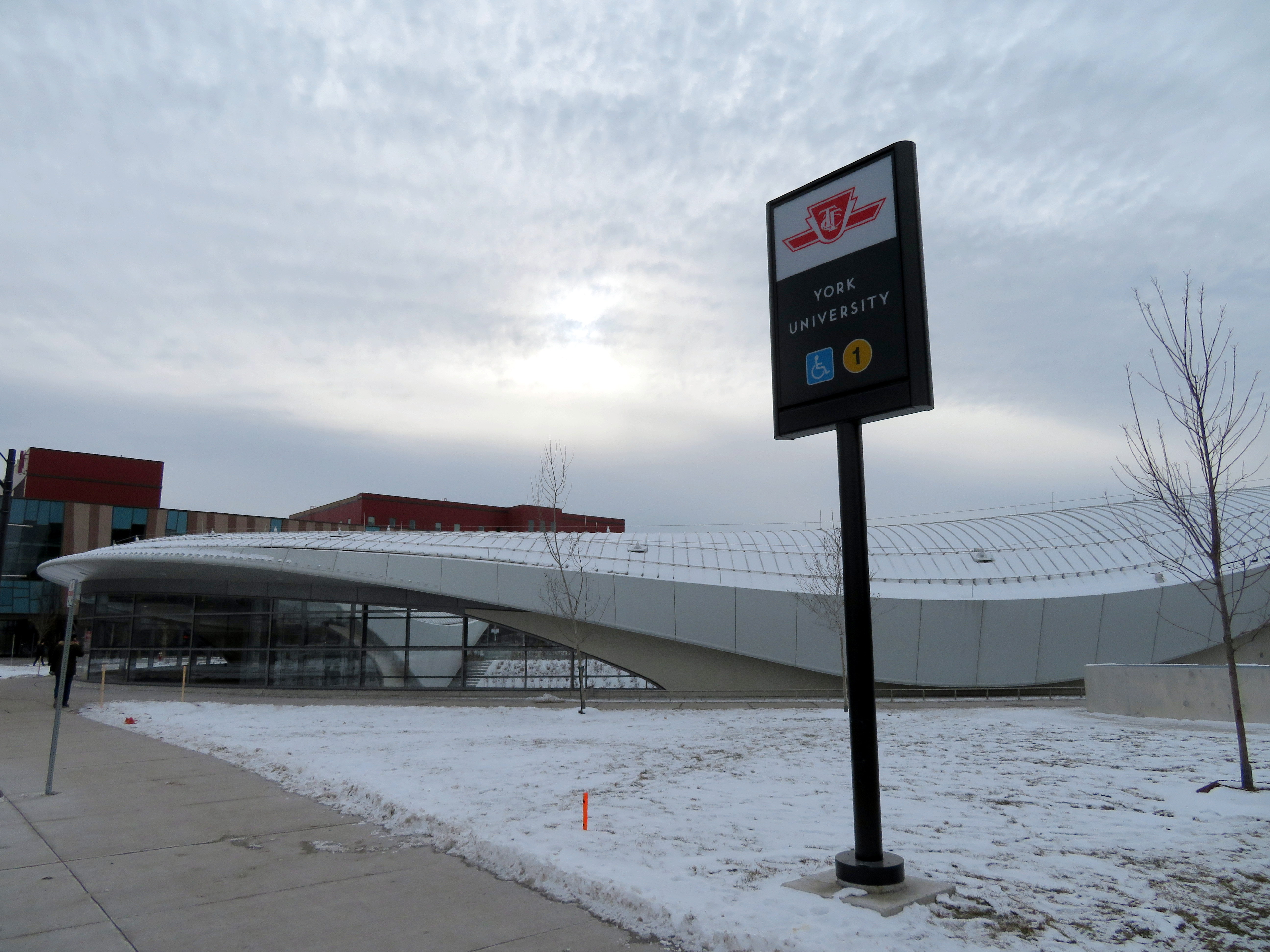
    On Sunday, December 17, six new TTC subway stations opened, and tens of thousands of excited people crowded the new extension to York University and Vaughan (the free TTC fares, courtesy of the provincial government, might also have had something to do with it). I also took the opportunity to explore the new subway stations, and get a second sense of their layout and their ridership potential.

    While Pioneer Village Station remains my favourite architecturally, I have found myself liking the simplicity of Finch West Station.

    As I have argued here before, I expect that Finch West and Pioneer Village Station will be well used – mostly due to the TTC surface route connections. York University Station will do well during the academic term, and Vaughan Metropolitan Centre has potential — but only if York Region commits to operating a decent transit system with convenient and frequent service to the new subway. I also suggested that the main GO Transit connections — Downsview Park and Highway 407 — will see very little usage. Both stations rely on GO Transit connections, and at the time, GO did not make their plans public.

    We now know that GO Transit service to Downsview Park Station will begin December 30. The Barrie Line will see new midday and evening service, and all trains will call at the new stop. Existing rush hour trains will also continue to stop at York University Station. All GO Transit buses on Highway 407 that terminate on the York University campus will also continue to do so, instead of taking full use of the new bus terminal at Highway 407 Station. (Only GO bus routes 25F, 46, 47, 47F, 48, 48B and 48F, along with route 40, will call at the fancy new terminal, adding up to 10 minutes to existing travel times.)

    I predict that GO Transit will abandon York University Station and direct all its bus services to Highway 407 Station after the end of the 2017-2018 academic year, and after the provincial election is over. It would not be the first time that GO Transit abandoned one of its railway stations, either. In 1969, train service at Lorne Park was abandoned, in favour of nearby Clarkson.

    The province announced a $1.50 TTC fare discount for Presto card transfers to and from GO Transit and UP Express in October, to take effect January 7, 2018. But without further fare integration for transfers to and from York University, students and staff who currently arrive on campus directly might have to get used to paying an additional $3.00 a day. But at least Highway 407 Station will be useful.


    In a previous post, I also explained that Pioneer Village Station was architecturally my favourite of the six new stations. That is still true. But in terms of functionality, my favourite is now Finch West.

    IMG_4764
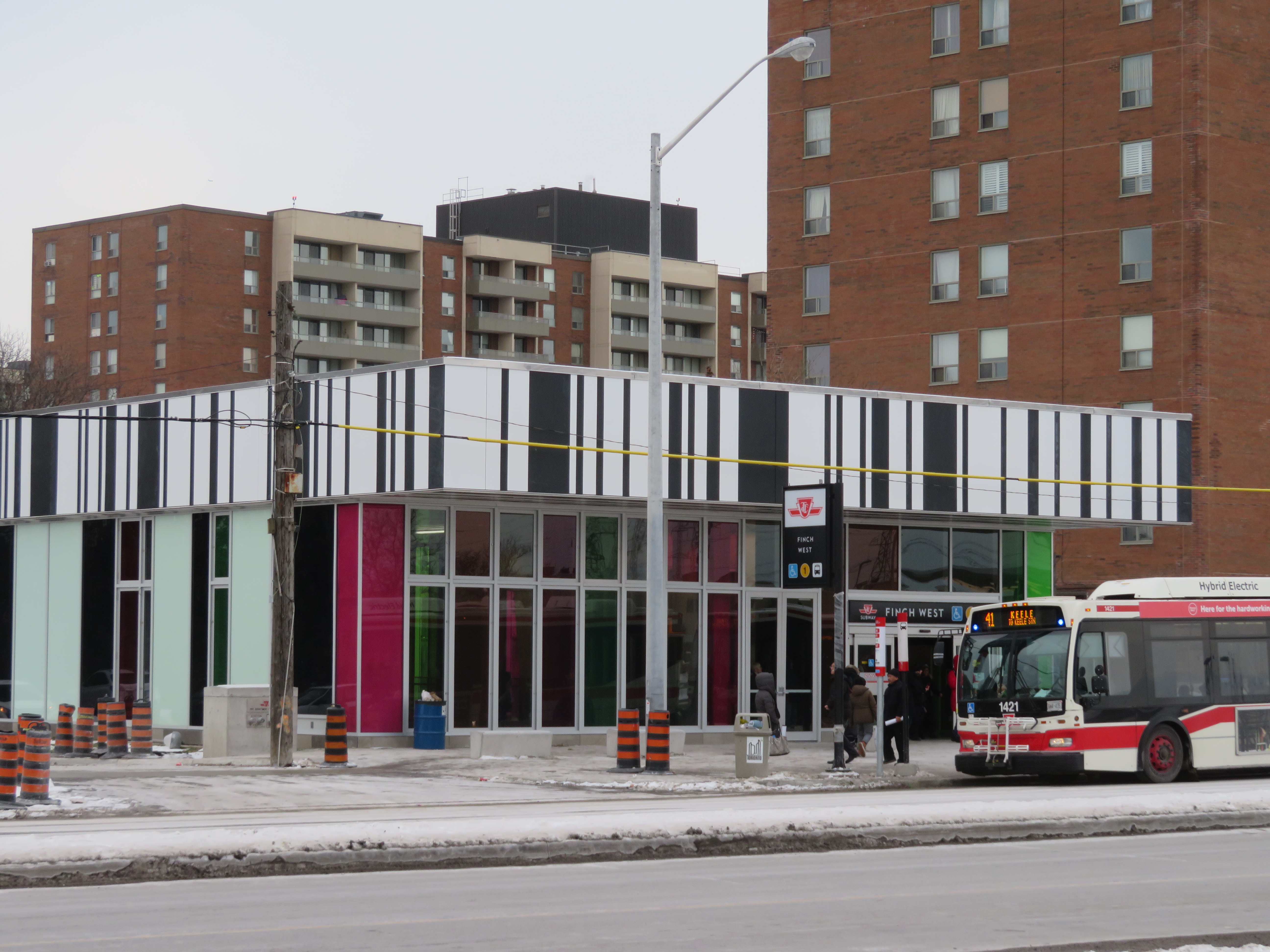
    Southbound 41 Keele bus loads in front of the new Finch West Station. Note the nearby apartment buildings.

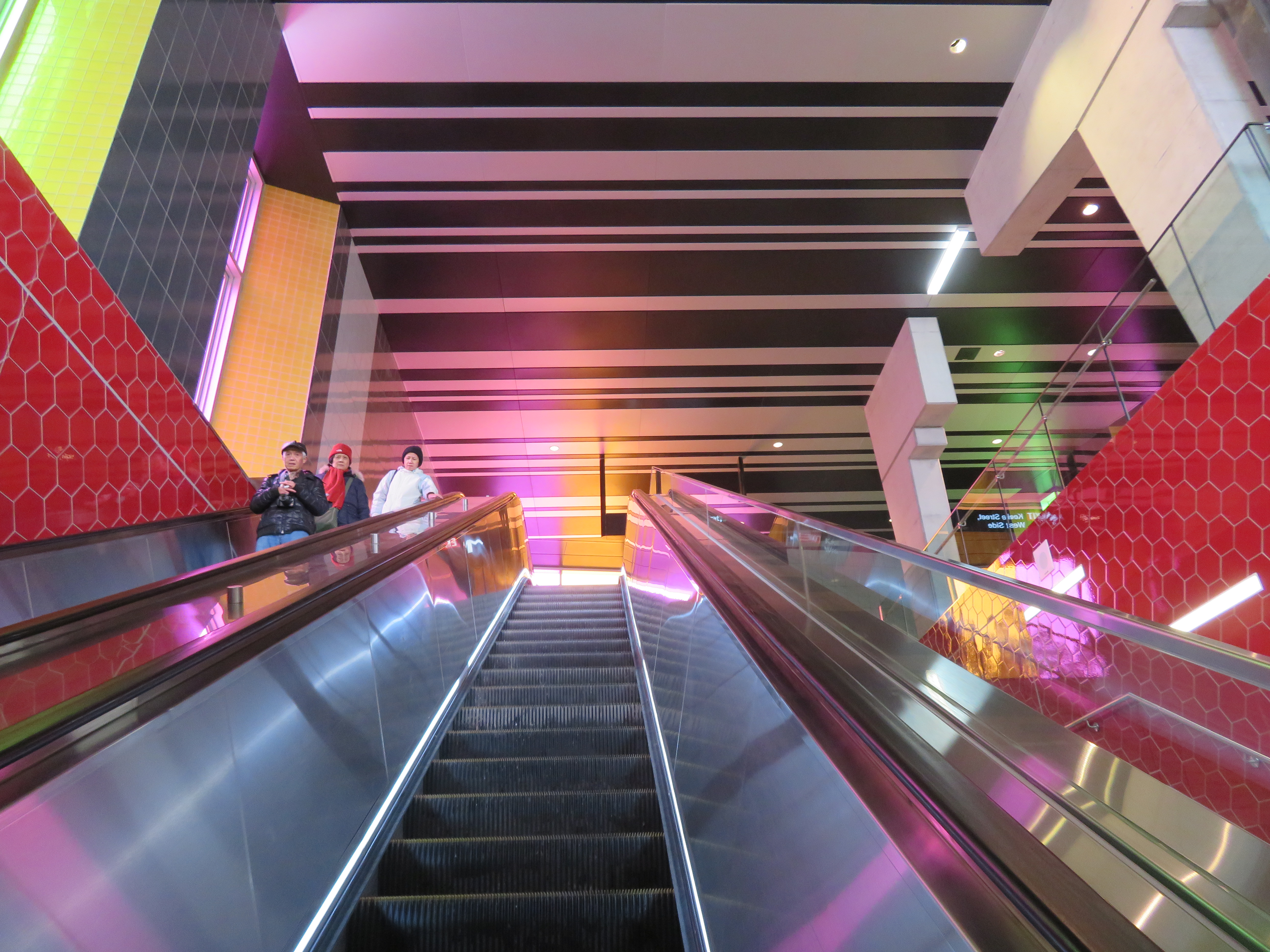
    Finch West Station, like Pioneer Village, was designed by  aLL Design, a global firm led by Will Alsop. The various tile patterns used in the design are a bit jarring, but to me, they recall those used in older TTC stations in North York.

    IMG_4759
    Ascending the escalator at Finch West

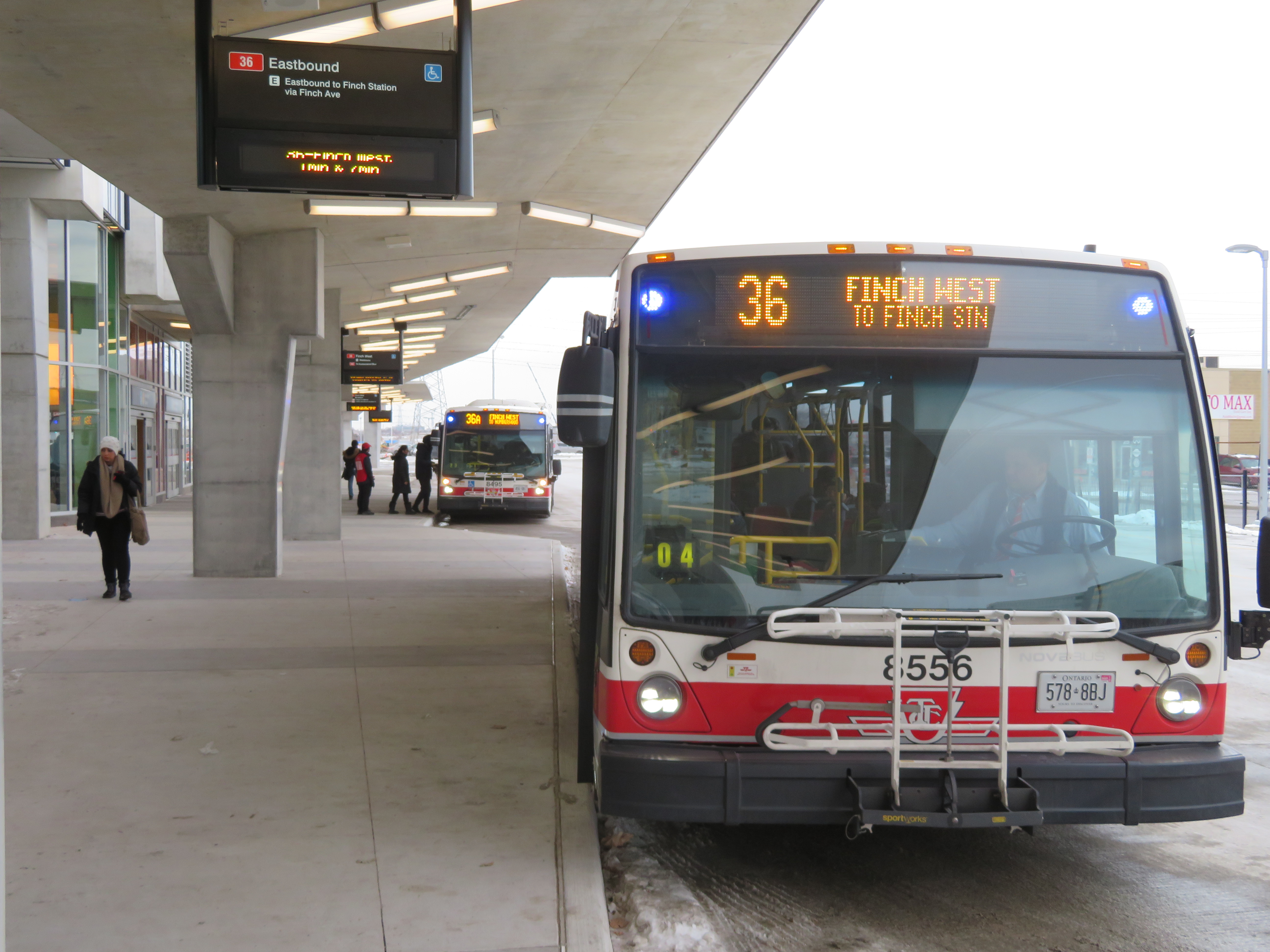
    The station serves buses on routes 36 Finch West — the TTC’s third busiest surface route in 2016 — along with Route 41 Keele, 107 St. Regis, and 199B Finch Rocket. Only Routes 36 and 199B enter the 3-bay bus terminal, all others (along with the 36 bus) stop on the street. This simplicity is in contrast to the Highway 407 Station terminal, which will be little-used for quite some time.

    Route 36 serves neighbourhoods such as Jane-Finch and Rexdale. These large, lower-income communities of Toronto will benefit from a much shorter ride to the subway.

    IMG_4754
    Simple new TTC bus terminal at Finch West Station

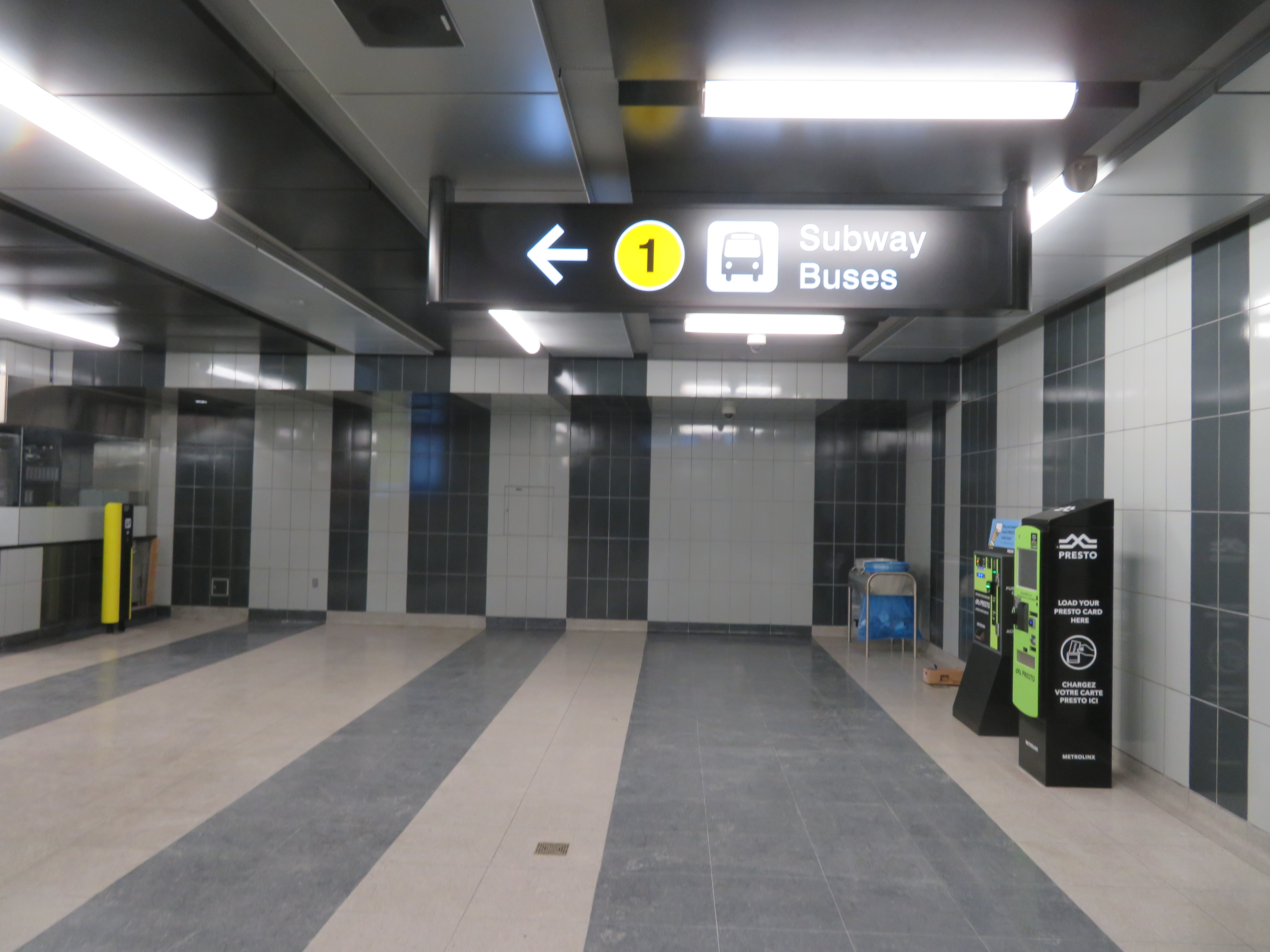
    In 2022, the Finch West LRT is scheduled to open, connecting Finch West Station with Humber College. On the mezzanine level, a temporary wall, as seen in the photo below, can be knocked out for a passage to a yet-to-be-built underground LRT station. Major construction is scheduled to begin in 2018.

    IMG_4755
    Looking towards the temporary wall that will lead to the Finch West LRT

    Finch West might not be the most stunning of all the new stations that opened on the Line 1 extension, but it might be the most useful and the most functional. In design, and in function, Finch West is a throwback, recalling a simpler time in TTC subway construction.

  • New TTC subway stations have great architecture, but they may not attract enough riders

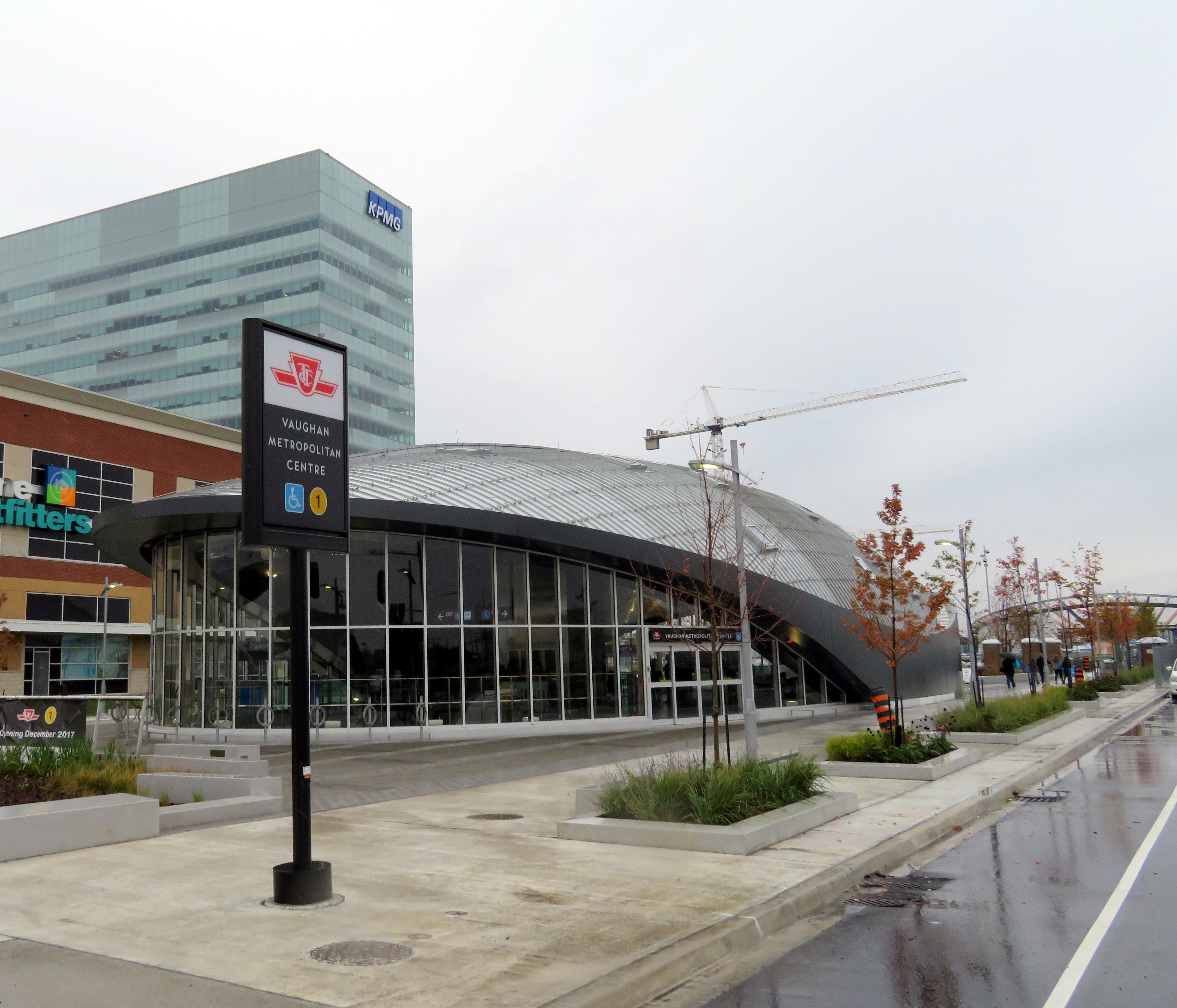
    IMG_4071-001.JPGVaughan Metropolitan Centre Station

    On Saturday, October 28, the Toronto Transit Commission (TTC) held open houses at three of the six new subway stations set to open on December 17, 2017 when the Line 1 subway is extended to York University and Vaughan. It was a fun afternoon with friends, checking out the architecture and the layout of Vaughan Metropolitan Centre,* Highway 407, and Pioneer Village Stations.

    Some of the station architecture was stunning, and I came away feeling much less skeptical about Vaughan’s commitment to building a new urban district around its station. Most stations along the subway corridor will be well-used. However, I remain critical about the issue of transfers between transit agencies, and the usefulness of at least one station.

    (more…)

  • Mount Pleasant: New Urbanism that almost works

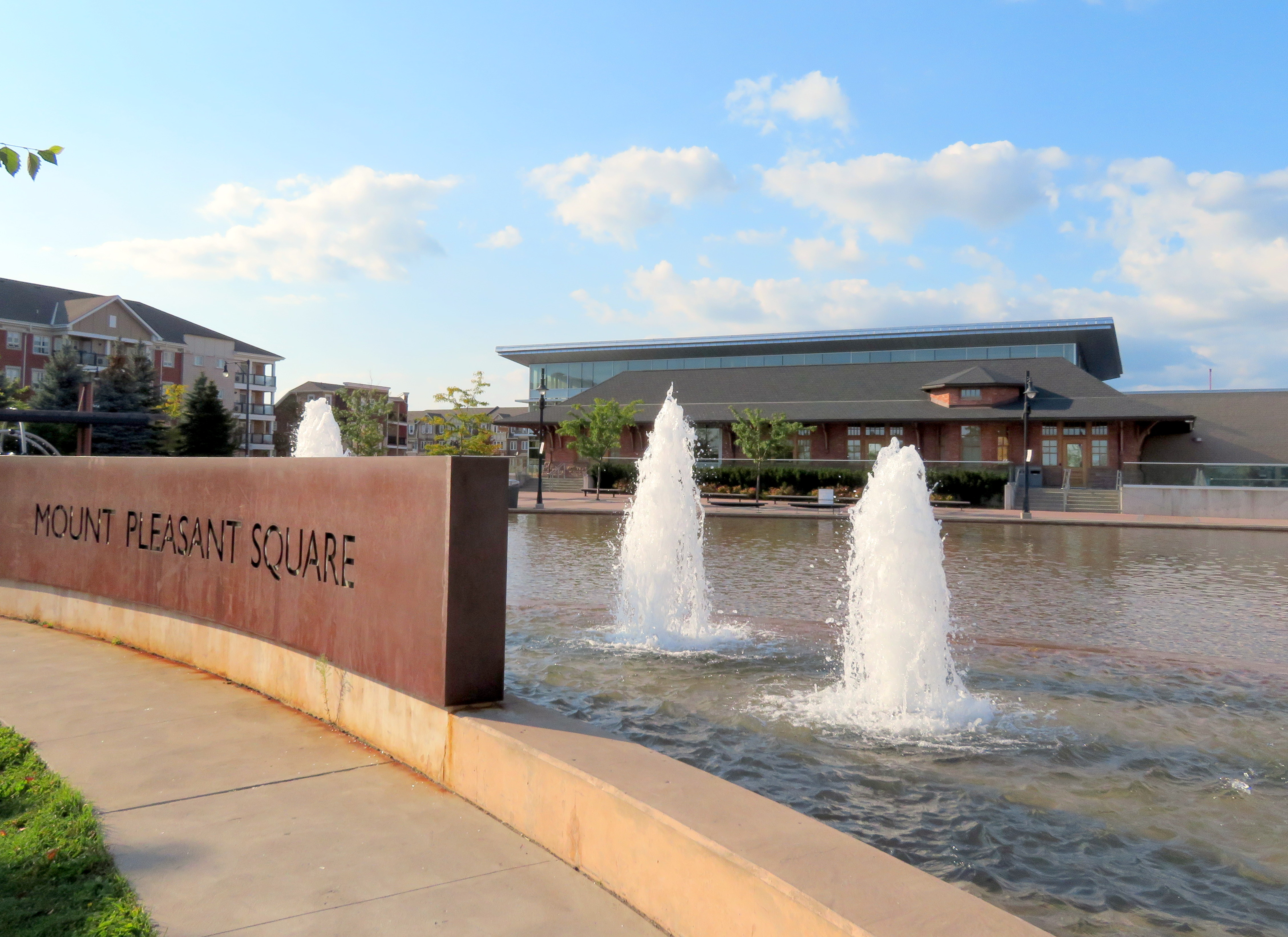
    IMG_2706-001Mount Pleasant Square, Brampton

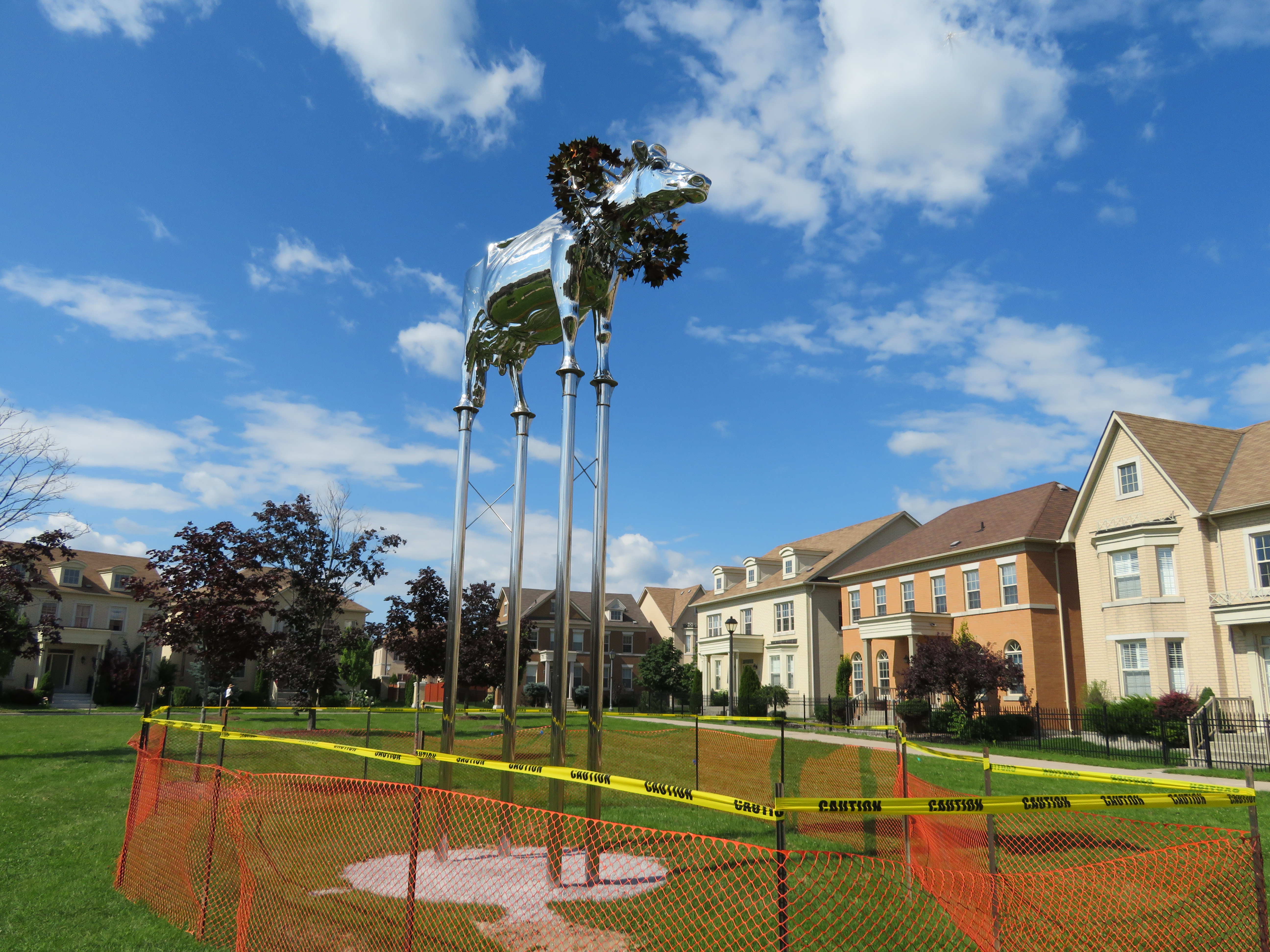
    A few weeks ago, I visited Cathedraltown, a subdivision in north Markham built in the new urbanist style. Cathedraltown made the news thanks to a controversial metallic sculpture of a cow installed in a parkette. (Last week, Markham City Council voted to move the sculpture.)

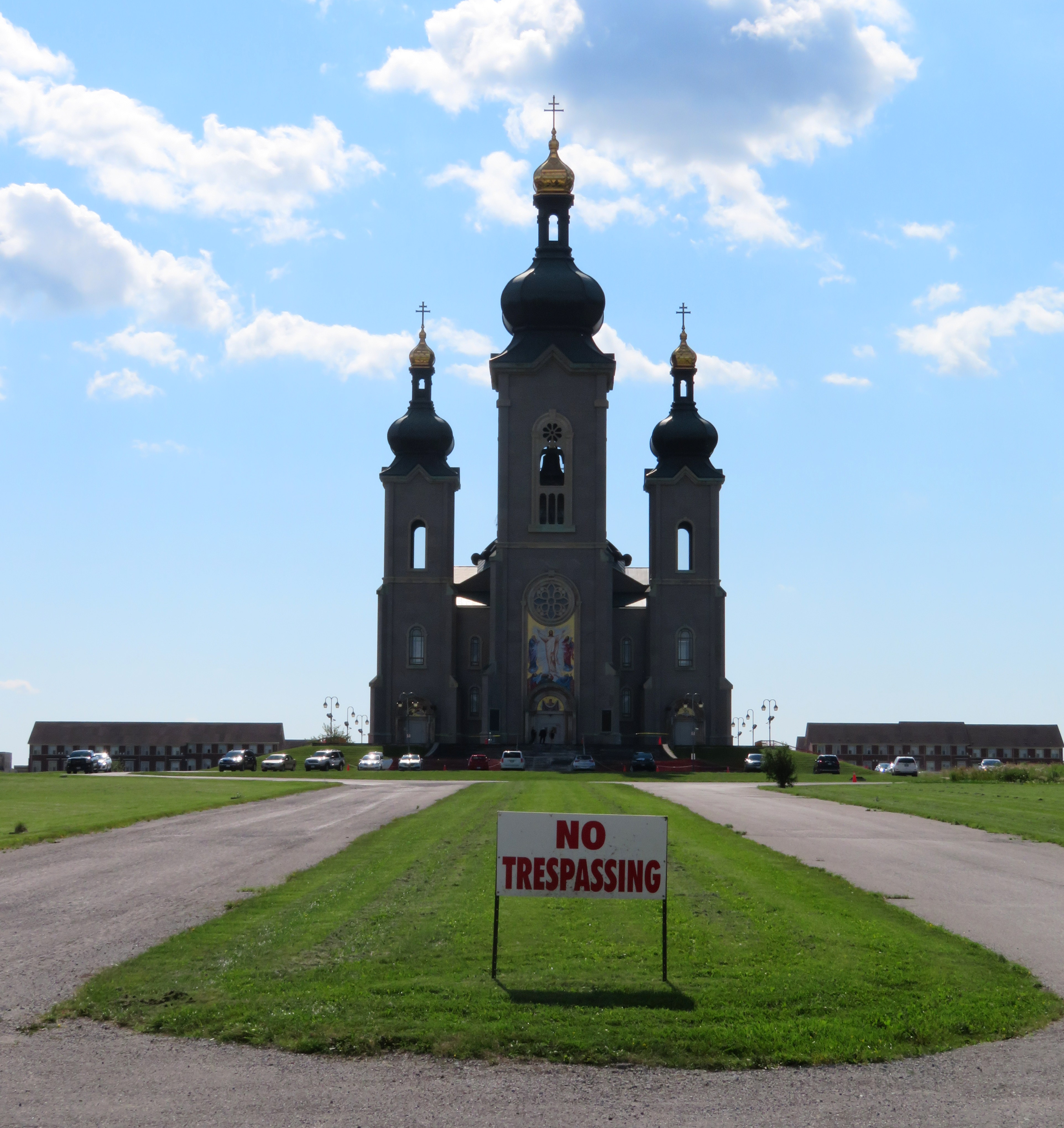
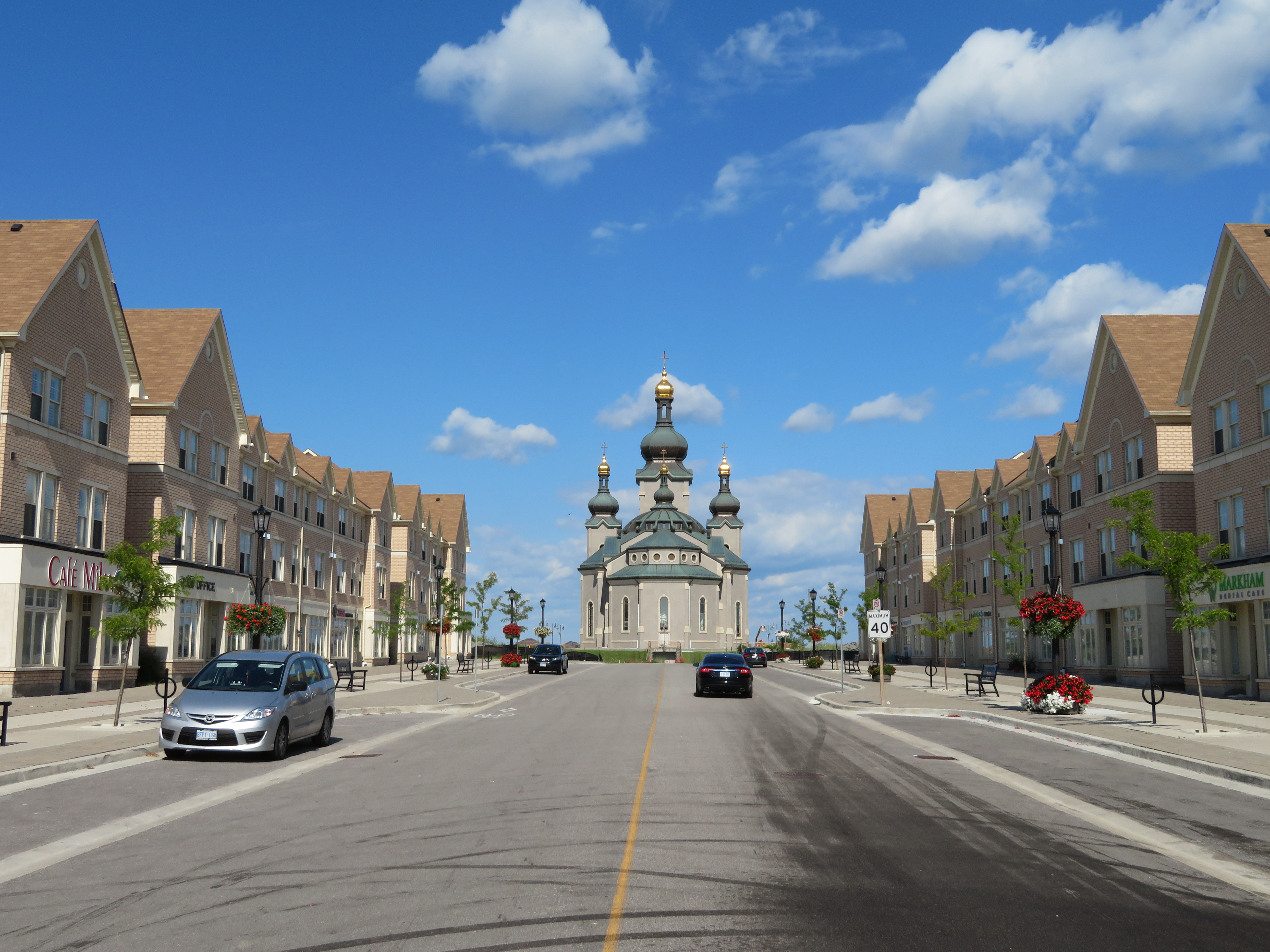
    I came away disappointed by Cathedraltown. Despite a dense built form, and a main street lined with storefronts, it did not live up to the new urbanist promise: it was still a very car-centric subdivision, without the retail, nor the density required to make it a walkable community. The central focus is a Slovak-Catholic cathedral, recently re-opened after lengthy dispute between the development company and religious leadership. “No trespassing” signs still stand in front of the imposing church. Transit connections are poor, making a car virtually necessary to get even to nearby employment areas.

    Mount Pleasant, in Brampton, fares somewhat better, despite some similar issues to Cathedraltown. What distinguishes it though are superior transit connections, and a better-programmed central focus.


    Satellite view of Mount Pleasant via Google Maps 

    Mount Pleasant started off as a small settlement between Brampton and Georgetown, where Highway 7 and 3rd Line West (later Creditview Road) crossed the Canadian National railway line between Toronto and Guelph. For most of its existence, it was little more than a collection of houses, two churches, a motel and a service station. By the 1960s, the local trains no longer served the flag stop there, and Highway 7 — now Bovaird Drive — bypassed the hamlet on a new railway overpass in the 1960s, also severing Creditview Road.

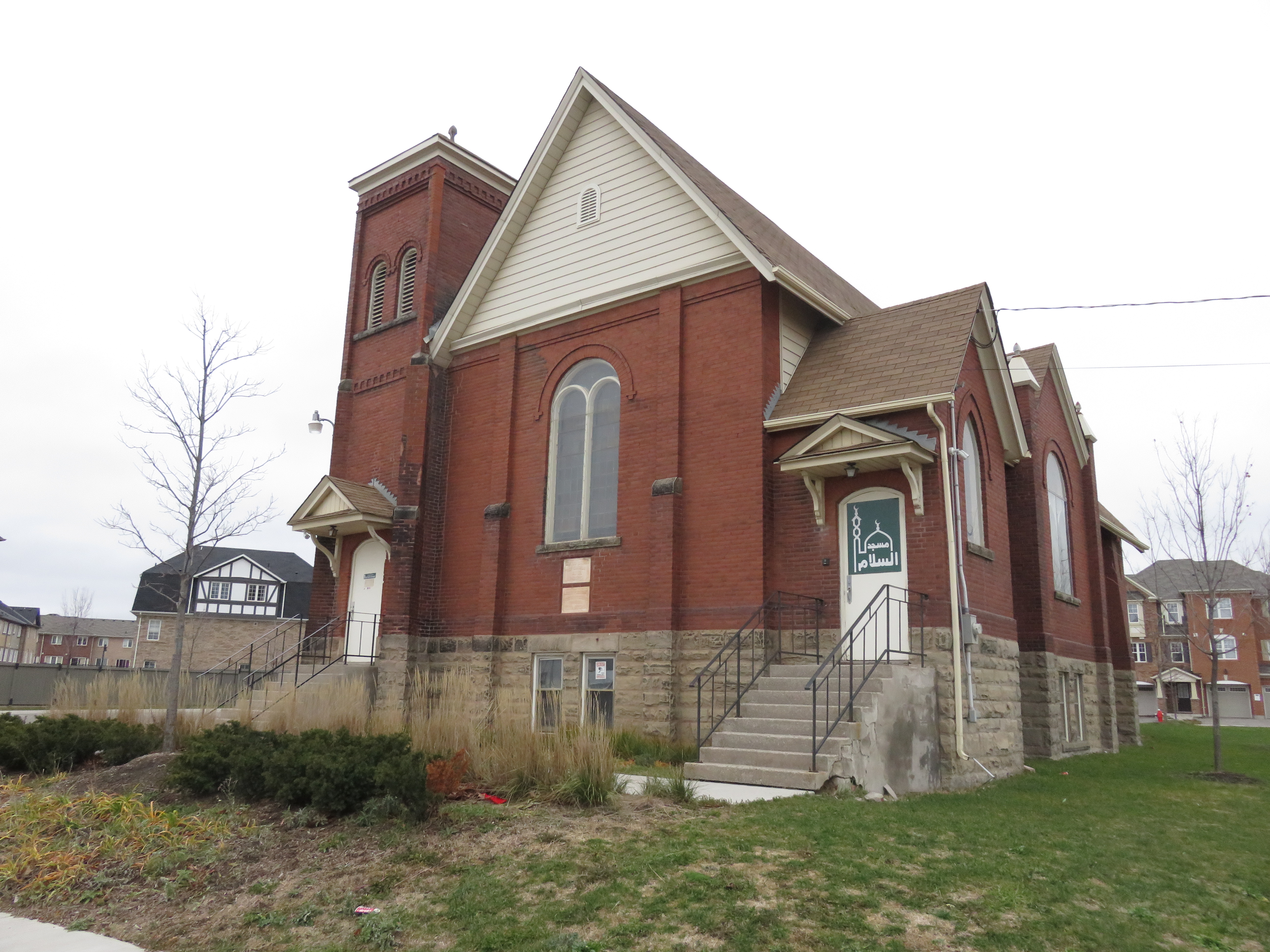
    A few buildings — two houses and a former Presbyterian church, now a mosque — remain at the former crossroads. New subdivisions now surround the historical community.

    IMG_6725Mount Pleasant’s old Presbyterian church is now a mosque.
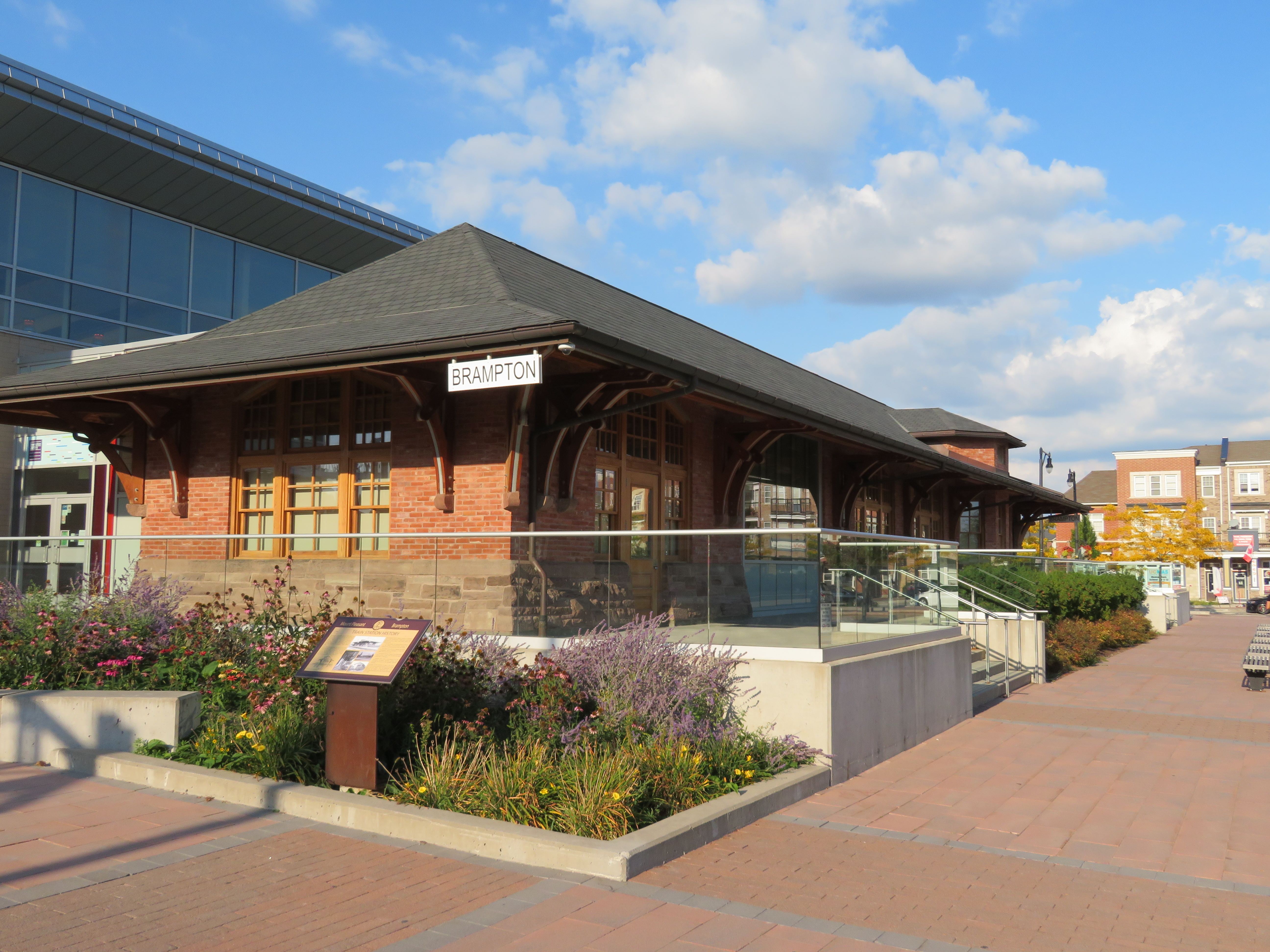
    Mount Pleasant GO Station opened in 2006, just as northwest Brampton was transforming from farmland to new subdivisions. The GO Station was built like any other in Toronto’ suburbs: a large parking lot, bus loop, and pick-up and drop-off area, with easy access to Bovaird Drive. But on the north side of the tracks, the City of Brampton, and the developer, Mattamy, tried something different.

    At the core, the City of Brampton built a new library branch that incorporates the dismantled Canadian Pacific Railway station that used to stand on Queen Street in Downtown Brampton. (The station was moved in 1980 to a then-rural site on Creditview Road when it was threatened by demolition by the CPR. But the station building was left to rot before heritage conservationists carefully dismantled the structure.) Behind the library is a public school. In front, there’s a public square that includes a small playground, as well as a reflecting pond that’s a skating rink in the winter.

    IMG_2709-001The Brampton Public Library incorporates the former Brampton CPR Station, rebuilt here at Mount Pleasant Village
    To the west of the square are several low-rise apartment buildings, the sort of “missing middle” housing needed in Toronto’s established urban neighbourhoods. To the east are several retail/residential blocks, the sort of mixed use buildings that are uncommon in new subdivisions. The storefronts are all mostly occupied with businesses serving the local neighbourhood, such as hair salons and spas, a convenience store, a dentist’s office, and a restaurant. To the south are entrances to the GO Station and the bus loop for GO and Brampton Transit buses.

    (more…)

  • We came for the cow, but we had no reason to linger in Cathedraltown

    IMG_1226-001

    Last weekend, a few of us visited Cathedraltown, a newer subdivision near Highway 404 and Elgin Mills Road in northern Markham. We came to see ‘Brookview Tony Charity,’ a new chrome sculpture of a prize-winning dairy cow that was once the pride of a hobby farm that was on the site before it was developed. The metallic bovine made the news as local residents opposed the sculpture, located in an otherwise empty and unremarkable Cathedraltown parkette.

    One homeowner objected as the cow, raised on stilts and wearing a prize garland, faced the nearby cathedral, likening it to the golden calf from The Ten Commandments: “I come from a Christian background and this is actually one of the worst things you can do, is to raise a calf; it’s facing the cathedral.”

    IMG_1230-001

    Ironically, the NIMBY rage only drew attention to the statue; later that week, it became a local tourist attraction. On Saturday, my wife, a good friend, and I went up to Markham to have a look at it ourselves.


    Cathedraltown

    Markham, on Toronto’s northern boundary, isn’t simply a cookie-cutter 905 suburb. The city of over 325,000 people is known for its high-technology sector, Pacific Mall and many other Chinese-Canadian shopping districts, and several heritage districts. The historic settlements of Unionville and Markham are well-preserved and vital, with interesting shops and restaurants. North of the old village of Markham, Markham Heritage Estates is a surreal subdivision dedicated to preserving old houses that would otherwise be demolished; it looks a little bit like a Tim Burton movie set.

    In recent years, Markham has tried to urbanize some of its suburban landscape. Highway 7 is lined with midrise condominium towers and office buildings. Cornell, on Markham’s eastern edge, was Canada’s first “new urbanist” subdivision, intended to promote a less car-dependent lifestyle with higher densities, local retail and mixed use development, and street-focused parks. The new Downtown Markham development, a work in progress, is a mix of office, higher-density residential, retail, and institutional development near GO Transit’s Stouffville corridor and a new VIVA bus rapid transit line.

    And then there’s Cathedraltown. Like Cornell, it’s a “new urbanist” development; it even has a main street lined with storefront. But it doesn’t quite work, at least not yet.

    IMG_1251-001A mostly empty Cathedral High Street

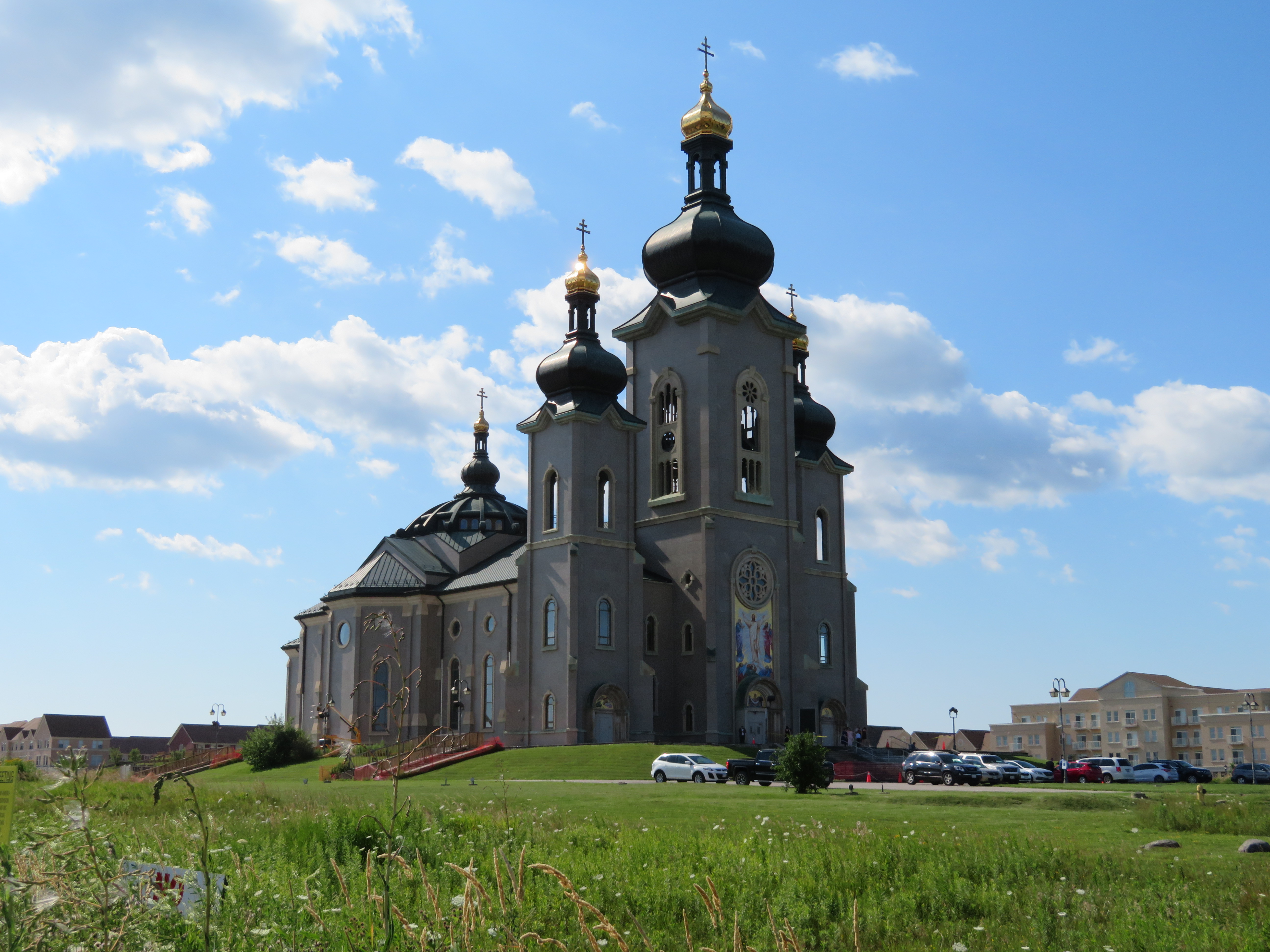
    Cathedraltown was the idea of Stephen Roman, who made a fortune in mining and had a a farm on Woodbine Avenue in Markham to build upon. The new community, on a family owned hobby farm, would have a spectacular new Slovak-Catholic cathedral as its centrepiece, with houses, parks, and stores surrounding the landmark. Stephen Roman’s daughter, Helen Roman Barber, took over the development in 1988.  The church — which remains incomplete — was opened for a while, but the building was the subject of a dispute between the development company and religious leadership and was closed from 2006 through 2016.

    Meanwhile, the residential community was slowly built around the Cathedral in the last ten years.


    IMG_1242-001A “no trespassing” sign still stands outside the recently re-opened Cathedral of the Transfiguration
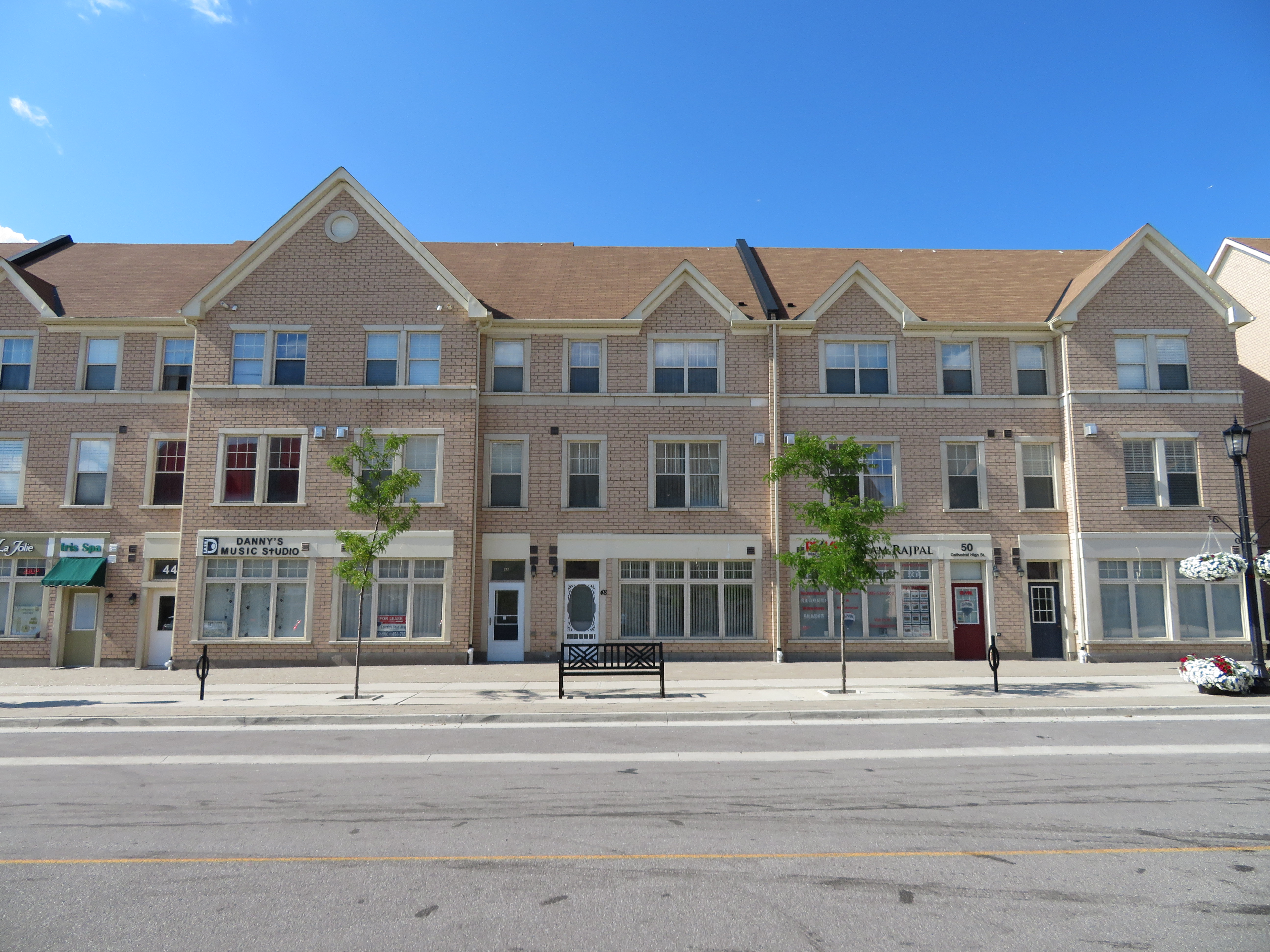
    Like other “new urbanist” developments, the garages and service areas are found not on the residential streets themselves, but in back alleys. Parkettes and playgrounds face the street, rather than behind houses. Dwellings are built close together, for higher densities than traditional suburban tract housing. There are townhouses, as well as semi-detached and fully detached homes, as well as some low-rise condominium apartments.

    There’s a Main Street, which is called Cathedral High Street. It is lined with storefronts, but many are empty. Those that are occupied host dental offices, real estate agents, an insurance broker, beauty and nail salons, and after-school tutoring companies. Only one store, a nail salon, was visibly open on our visit on a Saturday afternoon.

    A few thousand more residents might help. Building the retail along Woodbine Avenue itself, which gets far more traffic, might have also helped support sustainable retail. Nearby, however, is a pedestrian-unfriendly plaza on Major Mackenzie Drive that’s fully leased, anchored by banks, a Canadian Tire, a Shoppers Drug Mart, Starbucks, and Boston Pizza.

    IMG_1253-001Storefronts on Cathedral High Street…

    IMG_5598.JPGWhile a nearby auto-centric plaza is busy
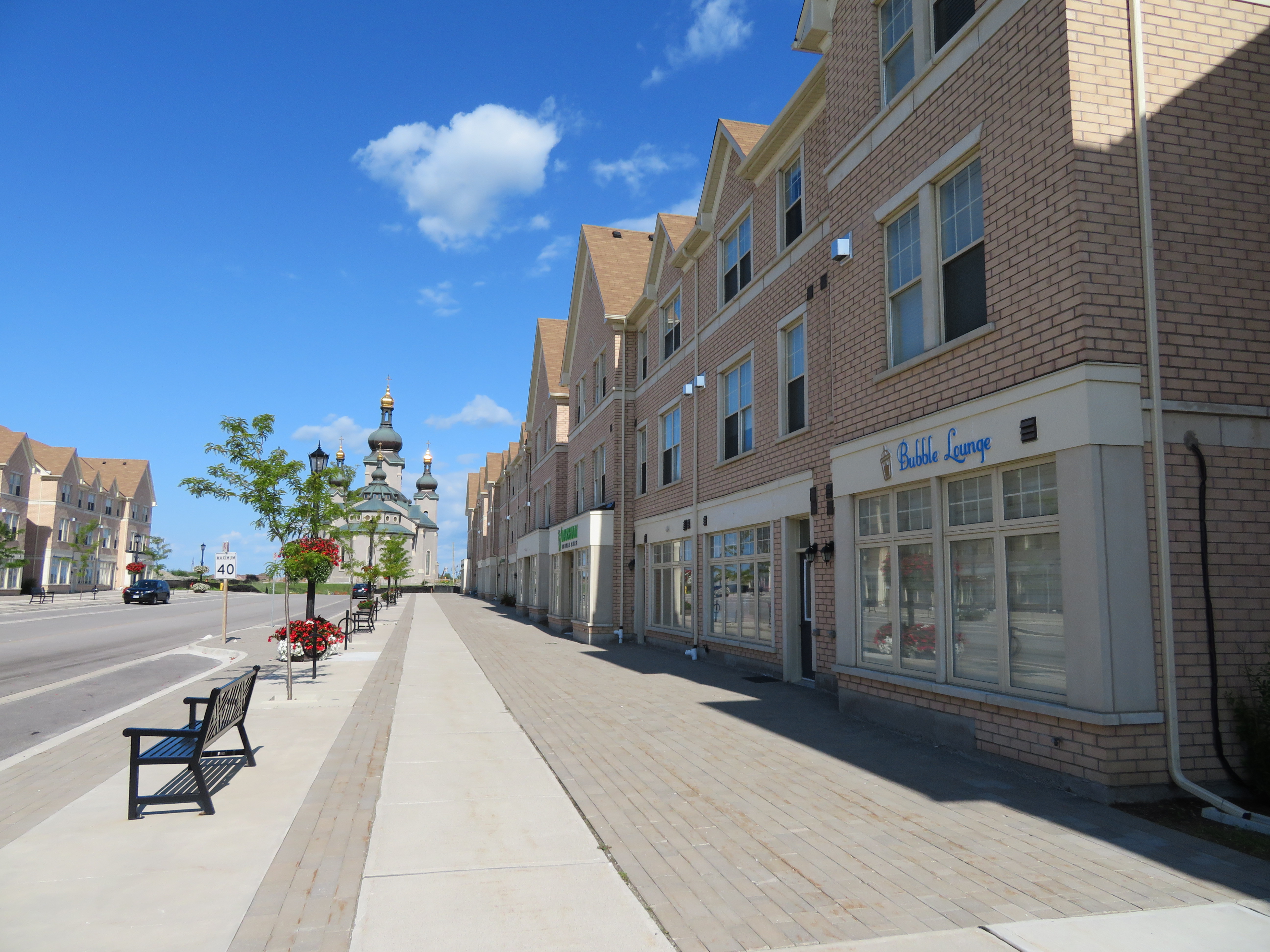
    Despite its new urbanist ideals, Cathedraltown is as auto-dependent as any other suburb. Only two bus routes serve the centre of the development: York Region Transit bus routes 24 and 80. Route 24, which goes to the TTC Don Mills Subway Station, operates every 51 minutes on Saturdays, and only until about 6:30 at night (Sunday service is similar; weekday service is slightly better). Route 80, which goes west to Yonge Street, operates every 45 minutes on weekends, until about 8:00 or 9:00 PM. Getting to GO Transit trains requires a car or a YRT bus ride involving a transfer between two infrequent routes.

    IMG_1254-001Empty streetscape on a sunny Saturday afternoon
    Without transit, and without places to walk to (apart from a church, a few parks, and an elementary school), the ideals of new urbanism aren’t matched by reality. Unless things change drastically, it will still be a place where residents will get in their cars to go anywhere. Better transit could be a start, but so would adding more people, and jobs.

    IMG_1250-001
    Maybe one day, this community will be completed

  • GO Transit’s 404 Error?

    IMG_8969-001GO Train at Gormley Station

    Previously on this blog, I wrote about how new public institutions like hospitals and university campuses are built in isolated, auto-dependent areas without regard to provincial land use policies. In St. Catharines, a new modern hospital on the city’s western outskirts replaced two urban sites, despite available opportunities that would be more accessible to at-need populations. In Orillia, Lakehead University built its campus on the edge of that small city, far from other institutions or its charming downtown core. Similar decisions are being made for new hospitals and university campuses in Niagara Falls, Windsor, and Milton.

    But Metrolinx and GO Transit, its regional transit subsidiary, often fail too to meet the provincial goals of intensification of urban centres and major transit nodes, containing urban sprawl, and promoting sustainable transportation. In Downtown Brampton, an anchor mobility hub, Metrolinx plans to build a new surface parking lot — demolishing several houses and two office buildings in the process — to satisfy commuters’ demands for free parking.

    This failure is especially evident on the newly extended Richmond Hill Line, where one new station — Gormley — opened late last year, and another — Bloomington — is now under construction. Both stations do not support any evident land use policy (both are located on the environmentally sensitive Oak Ridges Moraine); they continue GO Transit’s heritage of building stations that serve car owners, but remain largely inaccessible to pedestrians, cyclists, or local transit users.

    I recently took the train north to Gormley to inform my critique of GO Transit’s new stations. I came away even more disappointed than I had expected.

    (more…)

  • Ontario’s land use scandal: Another greenfield hospital for Niagara

    IMG_8728 (2)-001

    Recently, I discussed the greenfield locations of new hospital and post-secondary institutions in Ontario, focusing on the new St. Catharines Hospital site and the Orillia campus of Lakehead University, but also mentioning the proposed sites of a new hospital for Windsor, and an university campus in Milton. Hospitals and educational institutions are primarily funded by the province, which likes to promote sustainable development policies such as the Greenbelt, and mobility hubs at major transit nodes.

    The trouble with these new sites, located far from each city’s urban centre, is that they are difficult to reach by walking, cycling, or public transit. They don’t support downtown businesses, they ignore other potential urban land parcels (often former industrial sites), and are not in accordance with the province’s own land use policies.

    I recently returned to Niagara Region to examine Niagara Health’s plan to consolidate health services outside of St. Catharines (where it already merged two urban hospital sites to a single suburban location). It proposes consolidating most health services located in five municipalities (Niagara Falls, Welland, Port Colborne, Fort Erie, and Niagara-on-the-Lake) into one site, at the corner of Biggar and Montrose Roads, south of Niagara Falls’ urban area, but adjacent to an interchange with the Queen Elizabeth Way (QEW).

    Niagara Falls, like most of urbanized Niagara Region, is de-industrializing, with modest population growth. Employment is largely dependent on public sector jobs, such as the education and health services, and the city’s tourism industry. As a large employer, the hospital should be as accessible to its employees, as well as its patients, as possible.


    Map of current Niagara Health sites and proposed new hospital

    The proposed hospital site is at the corner of two two-lane country roads, in an area without sidewalks. To the north and west is a golf course; to the south is a Hungarian community hall, farm fields, and a few exurban ranch houses. The land was donated in 2013 by a local business family, but last fall, Niagara Falls City Council was considering purchasing an additional 20 acres for staff parking. (more…)