Tag: Metrolinx

  • Some answered questions about Toronto’s next subway extension (updated)

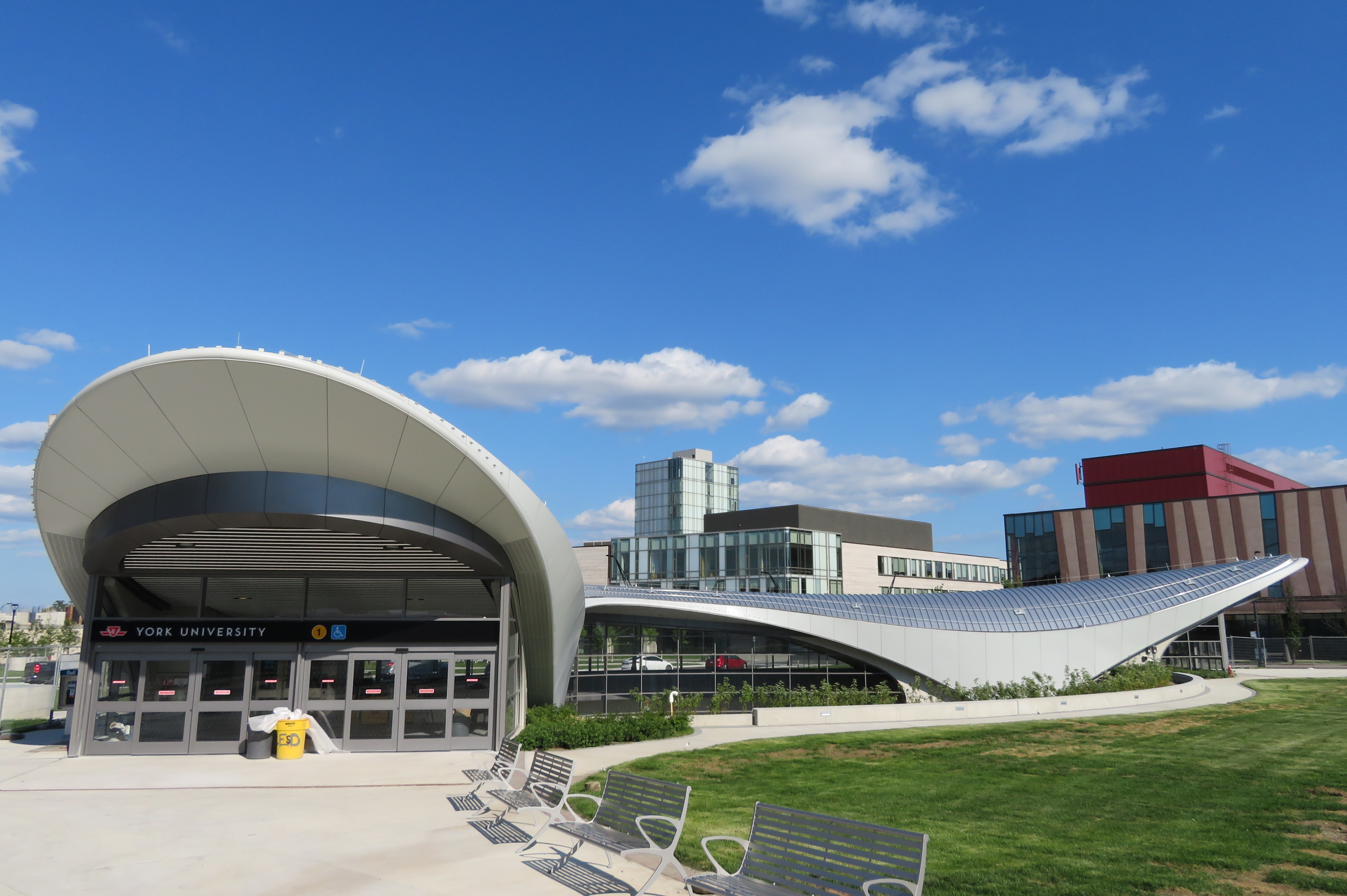
    36354175911_632dc72411_o.jpgYork University Station, August 2017

    Updated October 10, 2017

    Ten months ago, I wrote about some of the unanswered questions about the Toronto Transit Commission’s Line 1 subway extension to York University and Vaughan. At the time, I was concerned about fare integration once the subway opened, especially if suburban GO, YRT, or Brampton Transit passengers headed to York University were required to make new transfers to the subway at Vaughan Centre or Highway 407 Stations.

    We now know the day the six new subway stations will open: Sunday, December 17, 2017. We also know how the TTC, York Region Transit, and Brampton Transit will serve the new extension and York University. And today, we also have some indication of how GO Transit passengers will be affected by the changes.

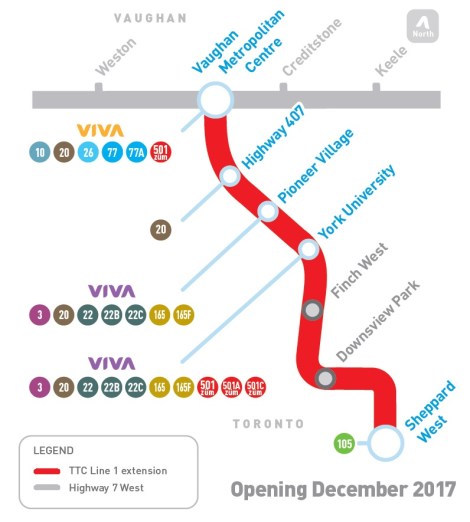
    YRT Subway Map.jpg
    How YRT and Brampton Transit will serve the Line 1 subway extension
    (from the YRT website)

    On Friday, Premier Kathleen Wynne and Transportation Minister Stephen Del Duca will announce a new co-fare between the TTC and Metrolinx services (GO Transit and Union Pearson Express), to take effect in January 2018. (The Star previously reported that the fare change will take place as soon as the subway extension opens.)

    Transfers from GO Transit or UPX to the TTC will cost $1.50 for passengers using Presto cards, a 50% reduction from the full adult fare of $3.00. Passengers transferring from the TTC to GO or UPX will get a $1.50 fare discount. It is expected that the new co-fare subsidies will cost the provincial government $18 million a year. The fare discount will not apply to passengers using fare media other than Presto cards, including TTC tokens, Metropasses, or paper one-way tickets or day passes.

    These are similar to the co-fares offered between GO Transit and transit agencies outside the City of Toronto, including MiWay, York Region Transit, Brampton Transit, and Hamilton Street Railway. However, these co-fares are generally more generous — ranging from $0.60 in Hamilton to $1.00 in York Region.

    There was no news on reducing the fare penalty for transferring between the TTC and connecting local bus systems such as York Region Transit and MiWay.

    For many commuters, the new TTC co-fare is great news, and it represents a good first step towards proper fare integration. It helps to make GO Transit more useful for trips within the City of Toronto, and it helps suburban commuters who use the TTC for part of their trip, such as University of Toronto students, who are located too far a walk to Union Station.

    (John Tory is also claiming a victory, calling it “a step in the right direction” for his SmartTrack proposal. At this point, “SmartTrack” is little more than a GO/TTC fare agreement and a few new proposed GO stations.)

    However, this could also affect York University students as well. Previous plans for the Line 1 subway extension saw GO Transit buses serve the Highway 407 station, requiring a transfer to the subway to get to campus. York University has been long eager to remove the buses from the York Commons area, which GO and the TTC use as their campus terminals.

    York Region Transit will continue to operate many bus routes into York’s campus, on the Ian Macdonald Boulevard ring road, and Brampton Transit’s Queen Züm bus route will remain on campus. Their university-bound passengers won’t be required to transfer to the subway and pay an additional fare. But it appears, for now, that GO Transit passengers will have to make a connection, costing $1.50 each way. (This will not be the case for in the short term, see update below.) This will also apply to GO train customers on the Barrie Line who currently use York University Station, if that station closes as planned when the subway connection at Downsview Park opens.

    This will be a blow for GO Transit customers who commute to and from York University, accustomed to a one-seat ride direct to campus. But it will be an improvement for GO operations on the Highway 407 corridor, with buses no longer stuck in traffic in the Keele Street and Steeles Avenue area. It will also benefit GO Transit passengers who aren’t headed to York University. Providing good public transit is not be about giving everyone a one-seat ride.

    Despite these benefits, if GO Transit serves Highway 407 Station as planned, it will impact many passengers with a new transfer and an additional $3.00 cost per day. I’m curious what GO Transit’s messaging and final plans will be, because they have yet to communicate their new schedules and connections when the subway extension opens. Hopefully, we will learn the answers to the rest of those questions soon.


    Update: According to the CBC and Metrolinx’s Anne Marie Aikins, there are now no immediate plans to re-route GO Transit buses from York University. at least in the short term. This is a short-term solution, however, because the Highway 407 station was designed with a large terminal for GO Transit buses, and York University has been vocal about wanting the hundreds of GO and TTC buses a day out of the York Commons area.

    I don’t see this as a long-term solution, however. Hopefully Metrolinx and the TTC can figure out how to best serve York University passengers, though that should have been figured out a long time ago. After all, the subway was originally supposed to open by the end of 2015.

  • GO Transit’s 404 Error?

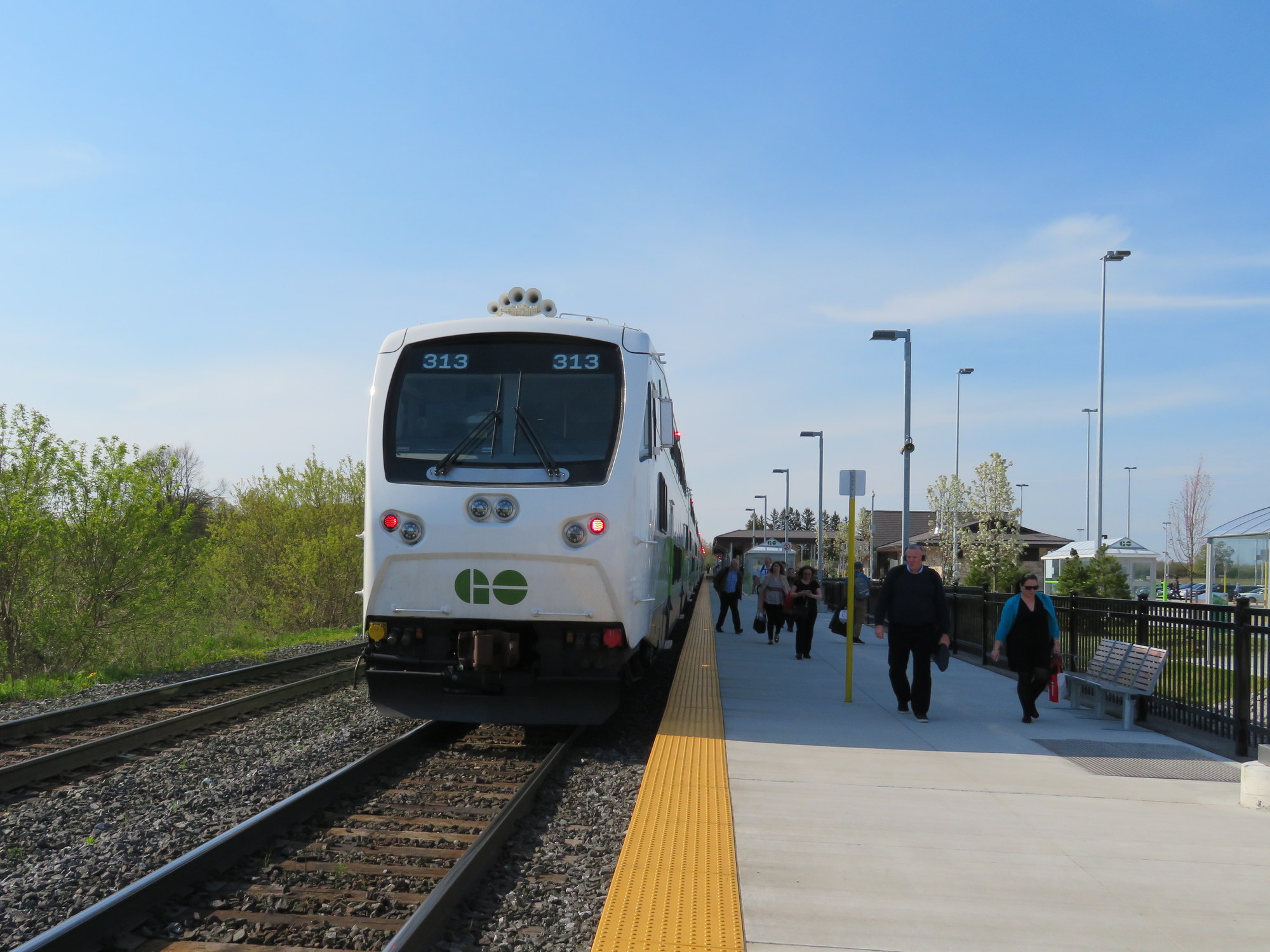
    IMG_8969-001GO Train at Gormley Station

    Previously on this blog, I wrote about how new public institutions like hospitals and university campuses are built in isolated, auto-dependent areas without regard to provincial land use policies. In St. Catharines, a new modern hospital on the city’s western outskirts replaced two urban sites, despite available opportunities that would be more accessible to at-need populations. In Orillia, Lakehead University built its campus on the edge of that small city, far from other institutions or its charming downtown core. Similar decisions are being made for new hospitals and university campuses in Niagara Falls, Windsor, and Milton.

    But Metrolinx and GO Transit, its regional transit subsidiary, often fail too to meet the provincial goals of intensification of urban centres and major transit nodes, containing urban sprawl, and promoting sustainable transportation. In Downtown Brampton, an anchor mobility hub, Metrolinx plans to build a new surface parking lot — demolishing several houses and two office buildings in the process — to satisfy commuters’ demands for free parking.

    This failure is especially evident on the newly extended Richmond Hill Line, where one new station — Gormley — opened late last year, and another — Bloomington — is now under construction. Both stations do not support any evident land use policy (both are located on the environmentally sensitive Oak Ridges Moraine); they continue GO Transit’s heritage of building stations that serve car owners, but remain largely inaccessible to pedestrians, cyclists, or local transit users.

    I recently took the train north to Gormley to inform my critique of GO Transit’s new stations. I came away even more disappointed than I had expected.

    (more…)

  • A better Hurontario Street – an LRT update

    IMG_0091-001.JPG
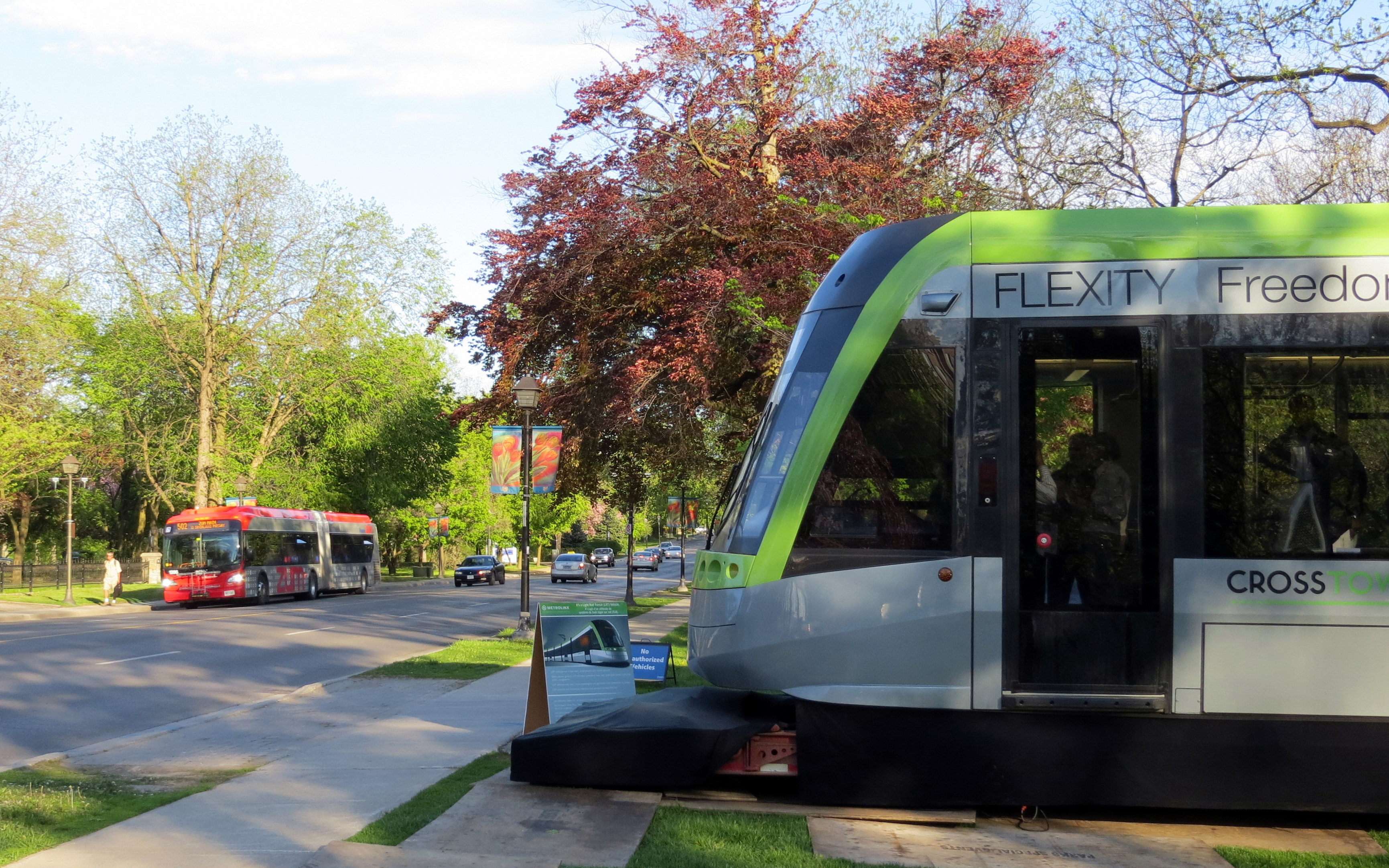
    Metrolinx light rail vehicle mock-up at Gage Park, meets a Brampton Transit Zum bus, 2013. 

    Earlier this week, I visited Brampton City Hall, where at a public open house, Metrolinx and city staff provided an update of the Hurontario Light Rail Transit project. Brampton City Hall was an ironic location for the open house; before Brampton Council voted against building the LRT up to Downtown Brampton and the GO/VIA Station, the LRT line would have stopped right here. Even with Brampton’s decision, there will be three stops in the city, so an open house for local residents to provide their feedback was still needed.

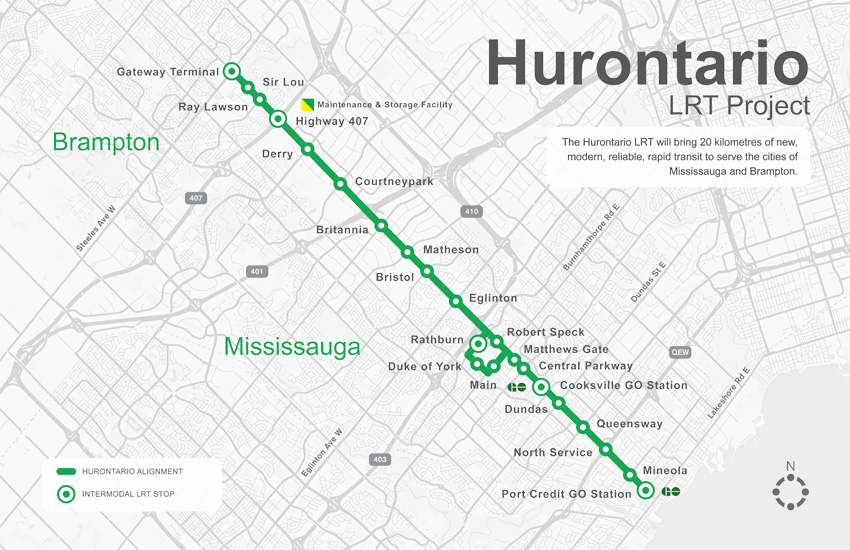
    hurontario_lrt_map_en-850x550
    The Hurontario LRT project, map via Metrolinx

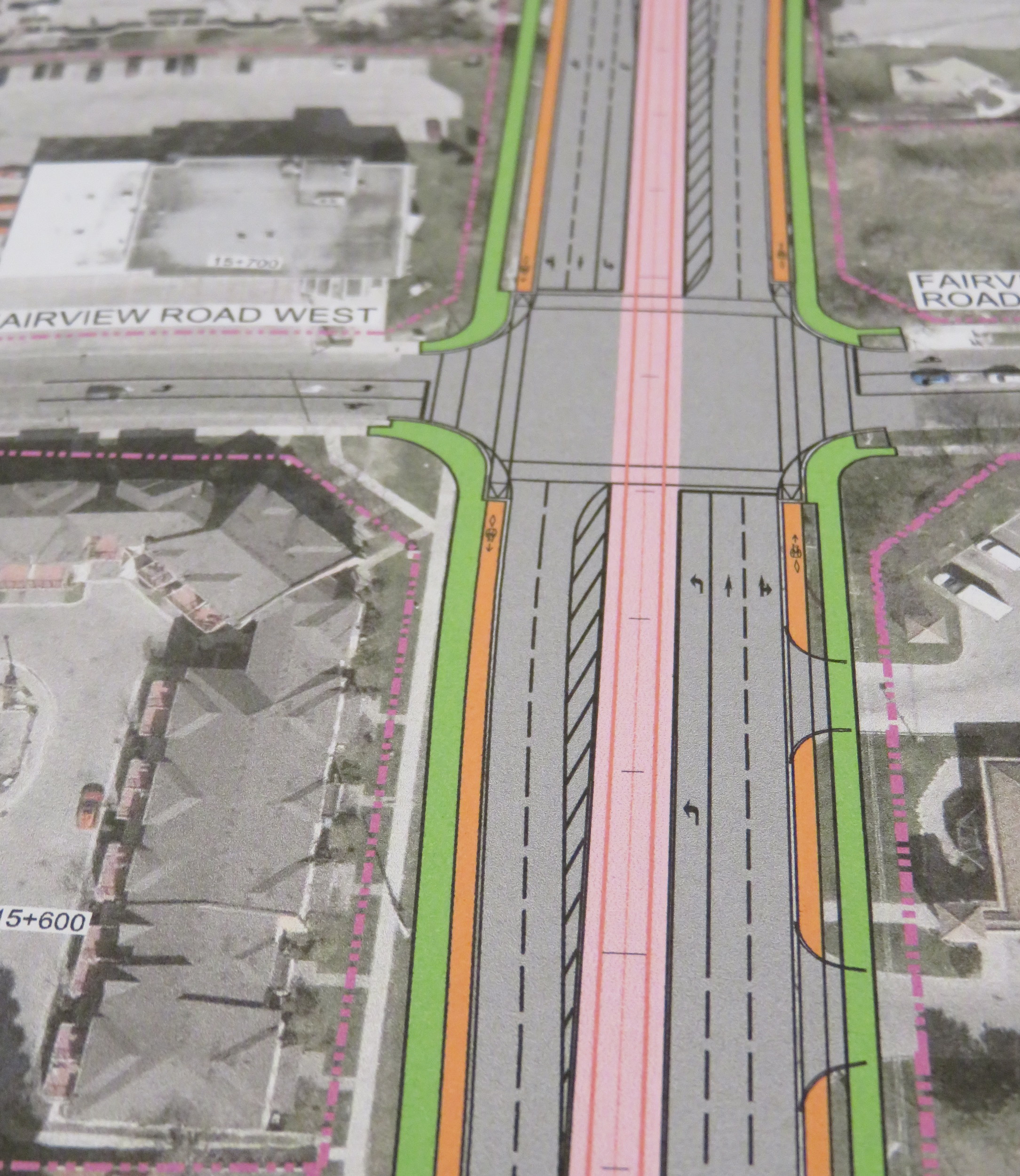
    The open house was quite interesting as more design details were displayed. There`s a focus on promoting active transportation — walking and cycling — and urbanizing much of the corridor. Three lanes of motor traffic will go down to two in most places, and right turning traffic will be tamed. This will make Hurontario Street a safer and more pleasant place to be.

    Along the entire LRT corridor, Hurontario Street will feature separated bike infrastructure — for the most part, there will be separated bike lanes, with multi-use paths in a few areas, especially south of the Queensway, where Hurontario Street is narrower. Sidewalks are also wider. With only a few exceptions, cyclists will be able to ride across intersections without being required to dismount. Those exceptions are at the Queen Elizabeth Way, and at Highways 403 and 407, where Ministry of Transportation Ontario (MTO) standards at interchanges will force the “stop, dismount, wait for gap” regime; pedestrians will also still have to yield to motor traffic.

    img_8334-001Typical cross-section once the LRT is built. The orange paths are the separated bike lanes, the green paths are sidewalks. Hurontario Street will only have two traffic lanes in each direction. 
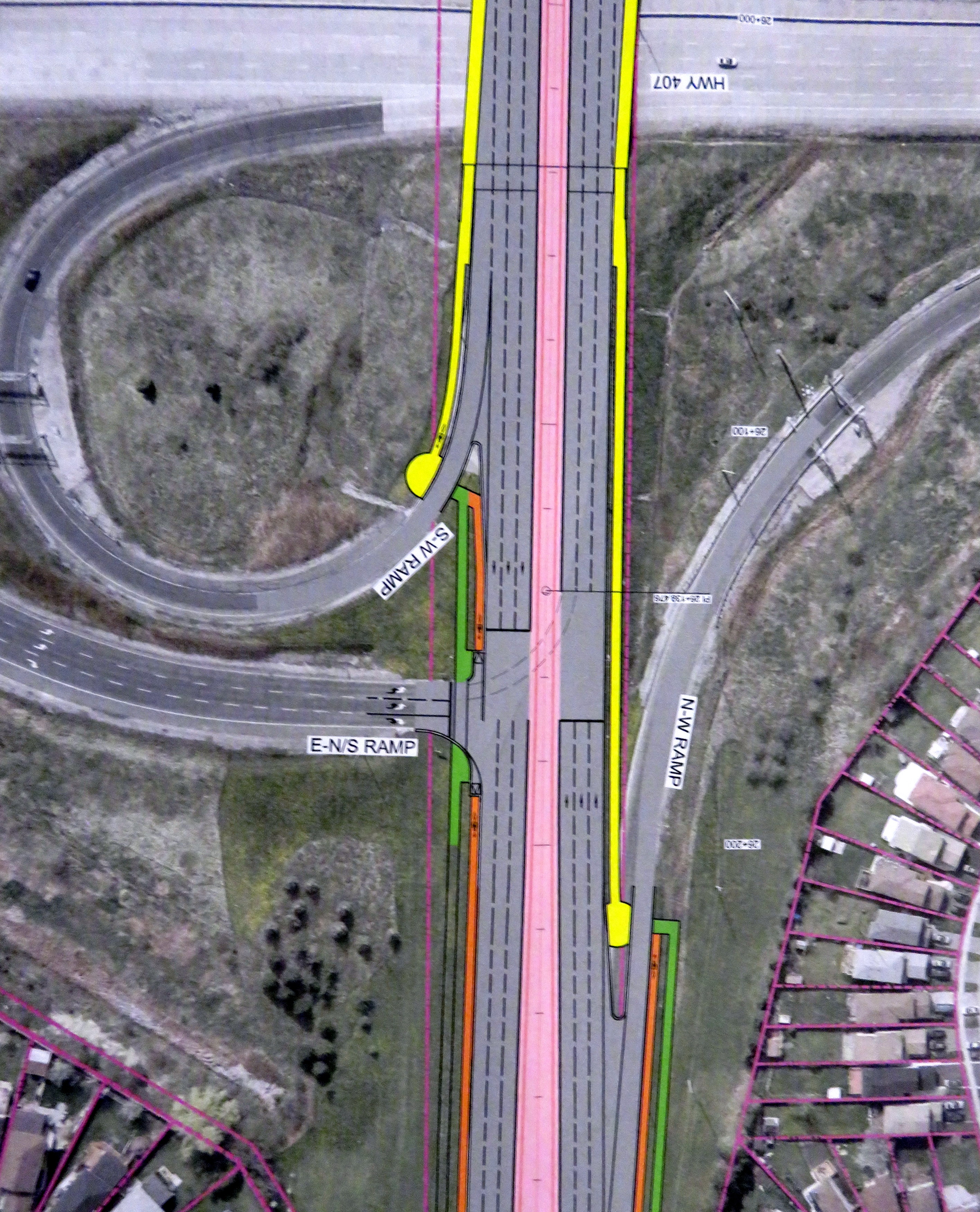
    img_8328-001At expressways, like at Highway 407, pedestrians and cyclists still must yield to motor traffic at on-ramps. 
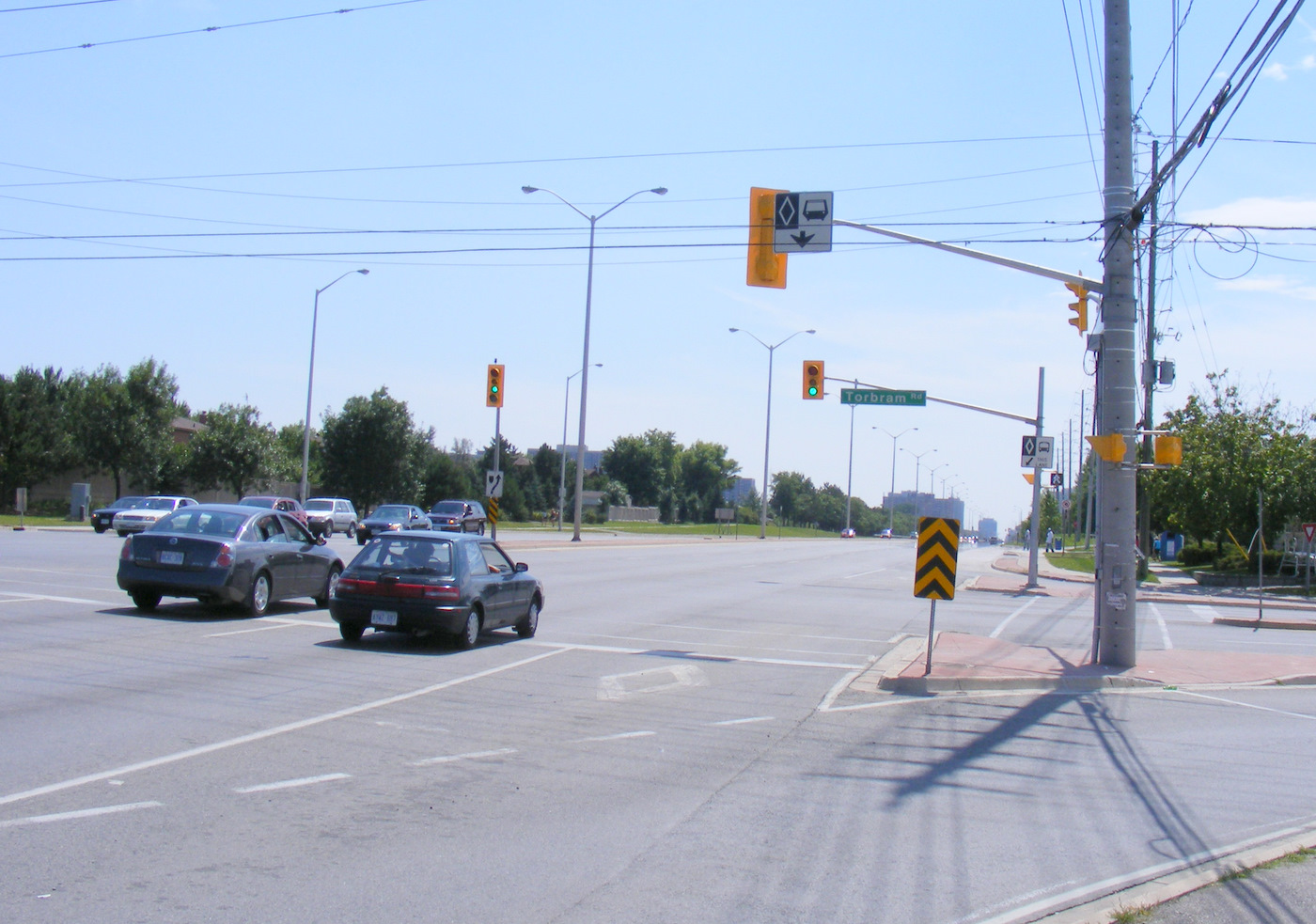
    In another benefit for pedestrians and cyclists, channelized right turns are eliminated along the entire route. Channelized right turns (like the one shown below) are convenient for motorists, but they increase conflicts with foot traffic and are incompatible with lower speeds and safe cycling infrastructure. Their removal also creates new room for streetscaping opportunities.

    4852433218_a9848b9973_o
    An example of a channelized right turn

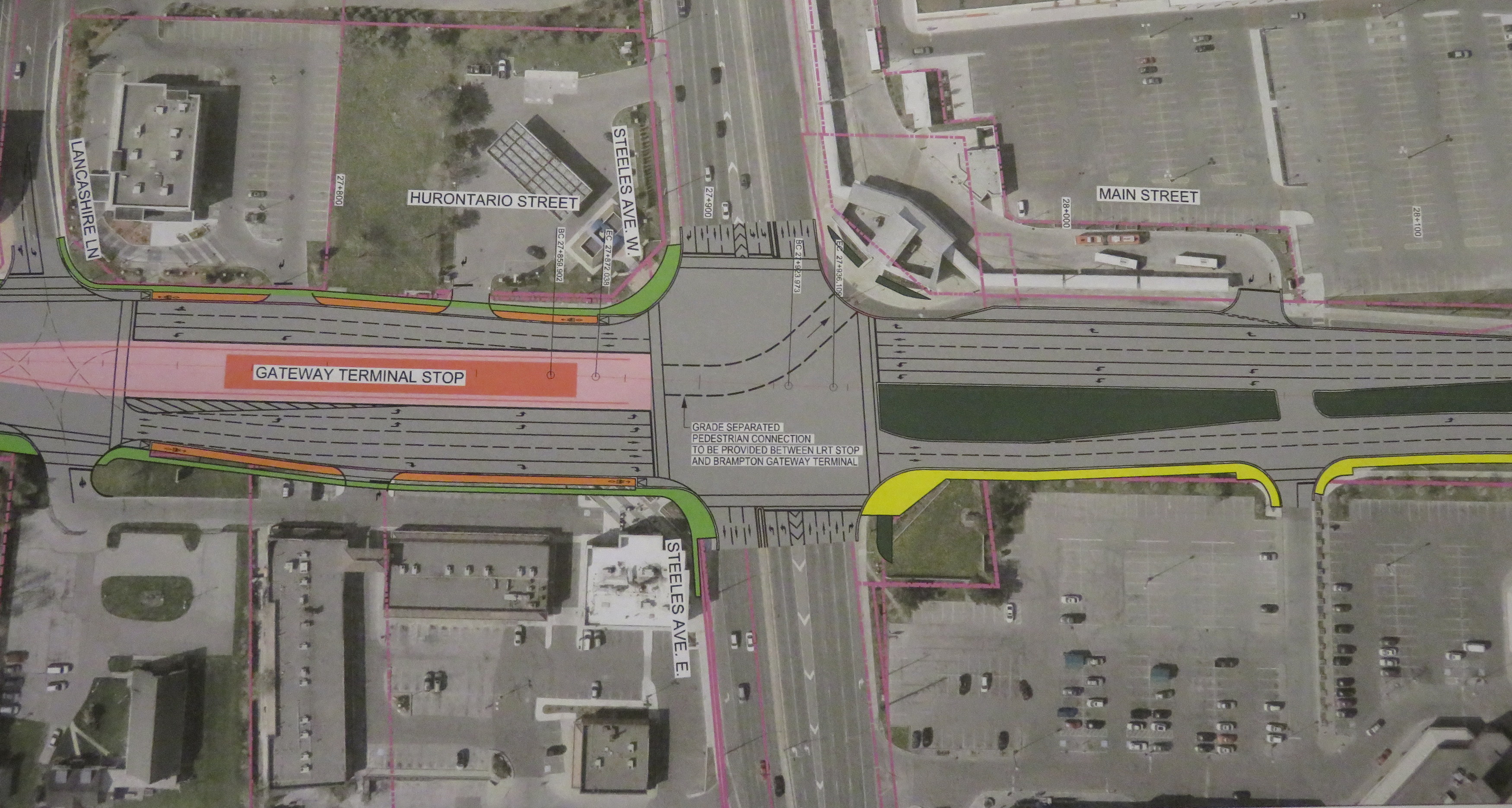
    The northern terminus of the LRT, at least for now, will be at Steeles Avenue. As Brampton debates other LRT alignments (Kennedy Road and McLauglin Road are indirect alternatives to reach Downtown Brampton), the stop was moved to the south side of the intersection. This is unfortunate: the Brampton Gateway bus terminal, which opened in 2012, was designed to easily connect with the planned LRT stop on the north side of the intersection, with two short crosswalks across southbound Main Street.

    img_8331-001
    Planned LRT terminus at Steeles Avenue, including tunnel between the LRT platform and the Brampton Gateway Terminal. 

    Instead, a more expensive tunnel is required to accommodate transferring passengers between the LRT and buses. Elevators and escalators will provide direct access to the tunnel; crosswalks at Steeles Avenue and Lancashire Lane will also be accessible from the platform.

    The final contract is planned to be signed in mid-2018 and construction should begin in Fall 2018. As the City of Mississauga backs the LRT project, hopefully any change in the provincial government will not jeopardize this plan. Not only will Mississauga (and south Brampton) get a fine new transit service, it will also see a tamer, more urbanized main street.

    And maybe Brampton City Council will come to its senses and extend the transit corridor via the direct, least-expensive, Main Street alignment.

  • Suburban stations for urban needs: accessing GO Transit’s proposed new stations

    21505188673_1d34d85175_kGO Transit train from the Pape Avenue footbridge, near the proposed site of Gerrard Station
    At its last board meeting on December 8
    , Metrolinx presented an update on the status of twelve new GO Transit rail stations, all located on existing lines. Eight of these proposed new stations are located in the City of Toronto; and six of those are station locations once promised as part of John Tory’s SmartTrack proposal. Unfortunately, the proposed new station designs (all available in this Metrolinx report) appear to be similar to existing GO stations in the suburbs, with needlessly large bus loops, PPUDOs, and parking lots. Development opportunities are limited.

    Transit connections at some proposed stations, like St. Clair West, are poor or practically non-existent. This is rather unfortunate, as SmartTrack was originally proposed as a frequent, subway-like service between Mississauga and Markham, with full TTC fare integration. Today, it’s merely six additional stations on existing GO Transit rail corridors. Without quick and seamless connections to the subway and surface TTC routes, the ability to provide any transit relief is compromised.

    I have more to say on this at Spacing Toronto.


  • GO Transit’s Grimsby problem

    IMG_6615-001.JPG
    The Bruce Trail near Fifty Road, November 6, 2016

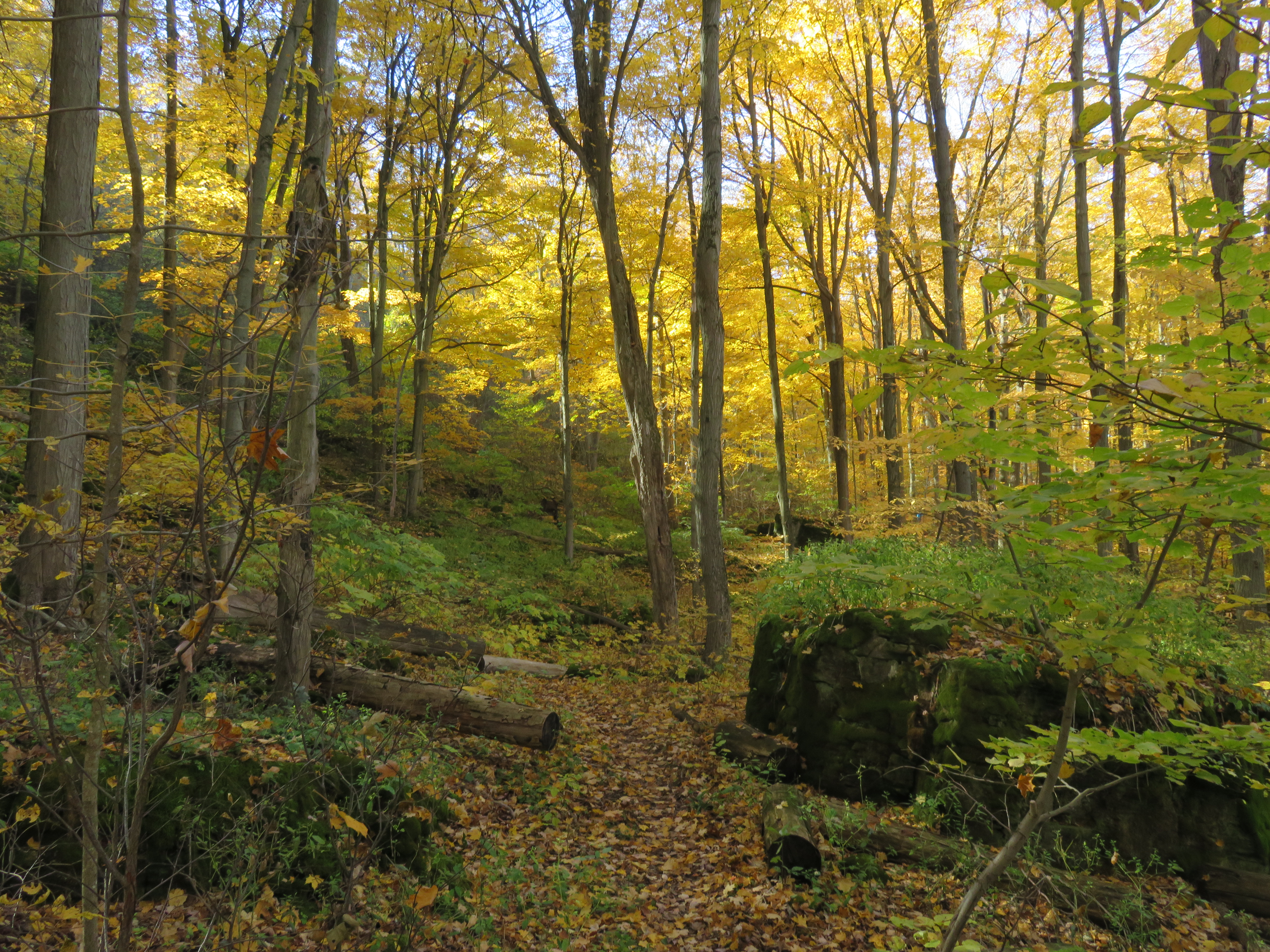
    On Sunday, November 6, I took advantage of an unseasonably warm November day to go hiking on the Bruce Trail. I started in Grimsby and hiked for 23 kilometres west to the Stoney Creek Battlefield Monument in Hamilton. The hike was lovely as there was still some fall foliage left to enjoy, and the views above the Escarpment over Niagara vineyards and Lake Ontario were spectacular.

    img_6559-001
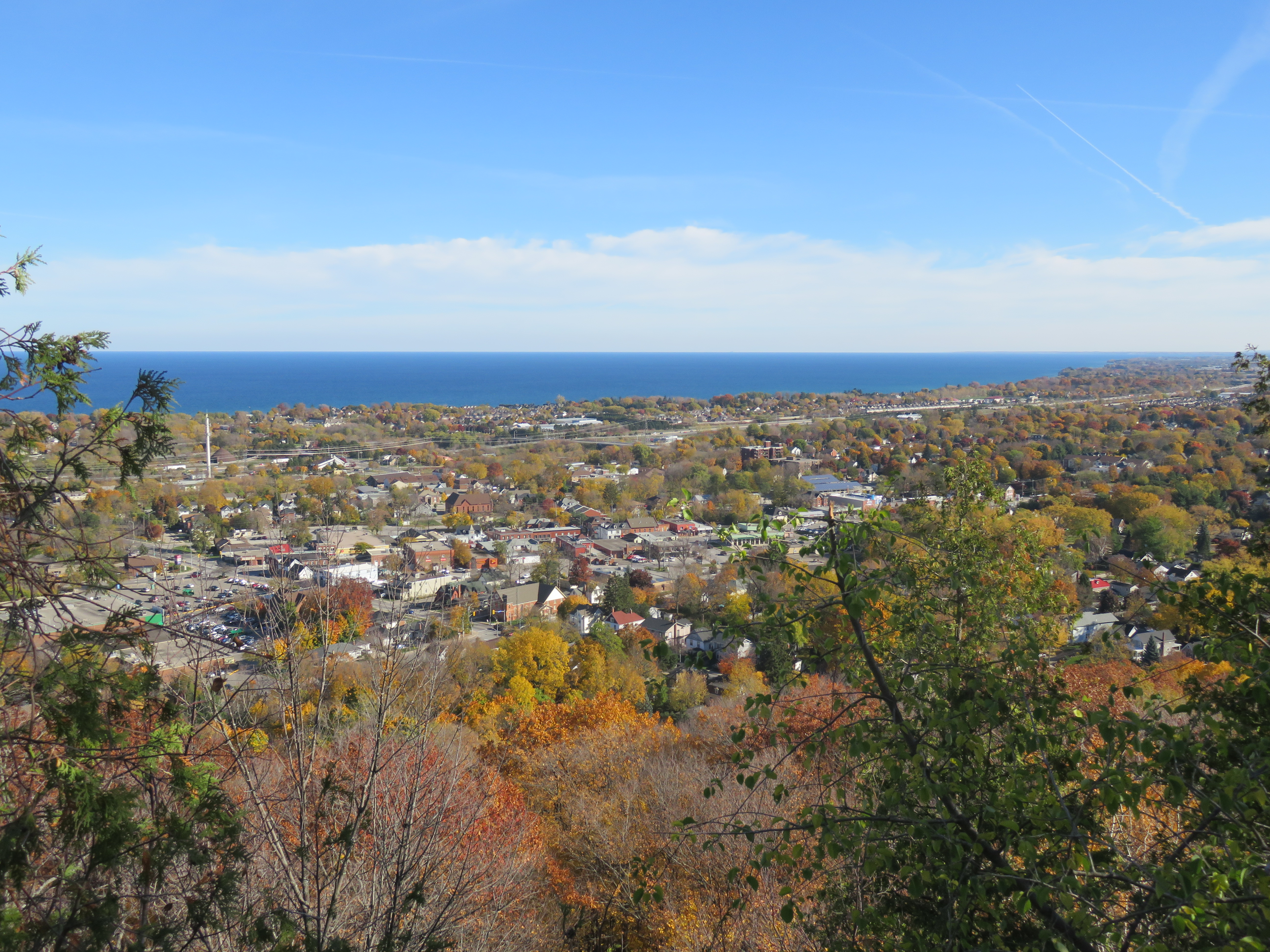
    View of Downtown Grimsby and Lake Ontario from the top of the Niagara Escarpment

    In order to do this six hour, one-way hike, I took the train to Grimsby, and began my trip from there (enjoying a coffee and snack at a great local coffee shop first). Upon arriving at Stoney Creek, I took a Hamilton Street Railway bus downtown for dinner before taking a GO bus back to Toronto.

    IMG_6650-001.JPG
    View from the lookout at Devil’s Punch Bowl Conservation Area towards Hamilton Harbour

    img_6686-001
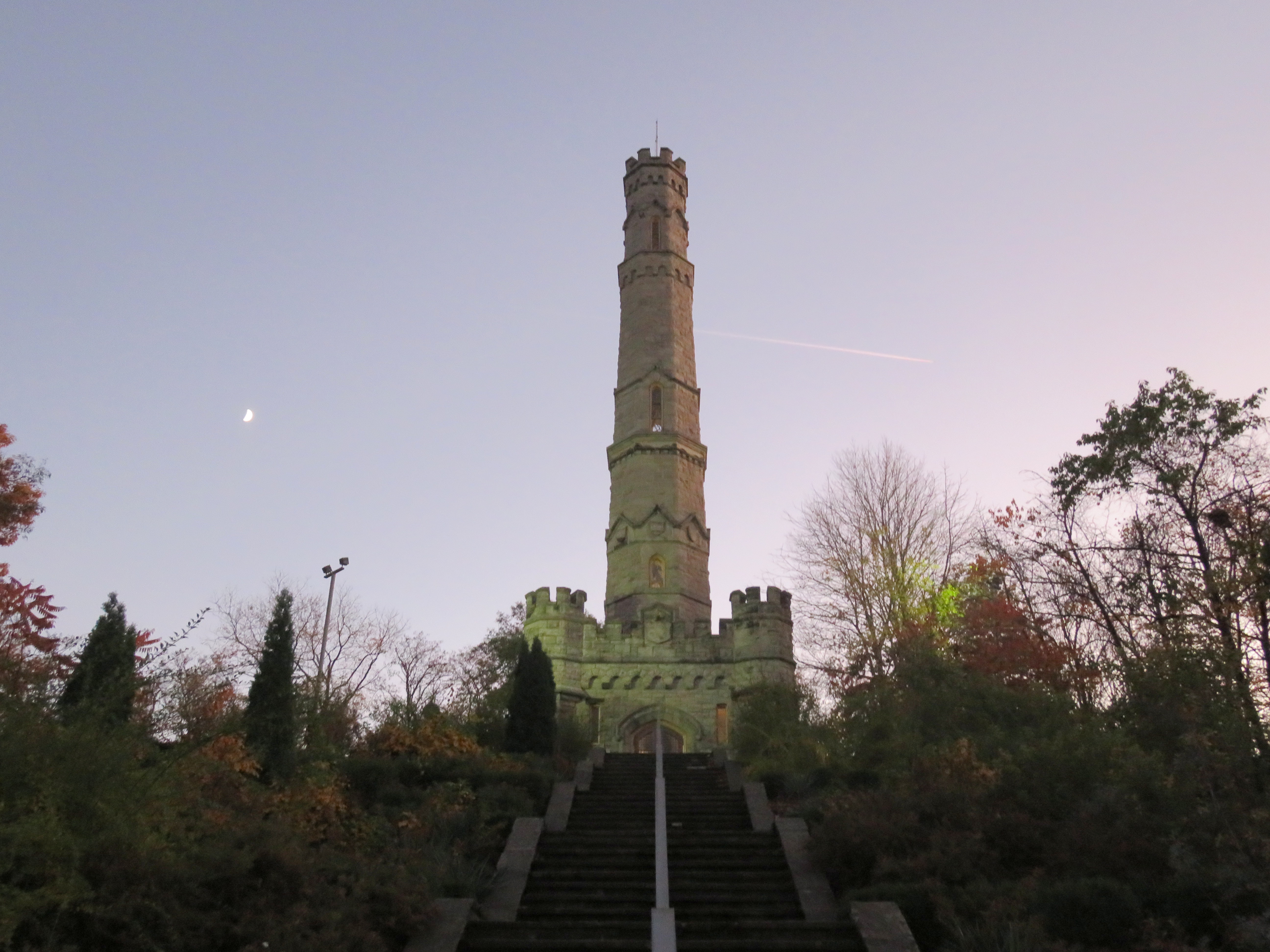
    The Stoney Creek Battlefield Monument, where I ended my hike as the sun began to set


    When I go for a bike ride or a hike, whether it be a solo trip or a hike with friends, I like to plan the trip in advance, and to think about the transportation options for getting there. And so I come once again to thinking about Grimsby, GO Transit, VIA Rail, and local transit.

    There is currently only one train each way between Toronto and Niagara Region — Amtrak’s Maple Leaf, which is operated by VIA crews on the Canadian side of the border. The Maple Leaf takes 12 hours and 30 minutes to get from Toronto’s Union Station to New York’s Penn Station, including a stop at the border for customs and immigration checks. Other delays, such as freight traffic and even ship traffic on the Welland Canal, make this train commonly late for Niagara passengers headed to Toronto in the evening. There was once a second daily VIA train between Toronto and Niagara Falls, scheduled to serve commuters, but it was cut by the Stephen Harper-led Conservative government in 2012.

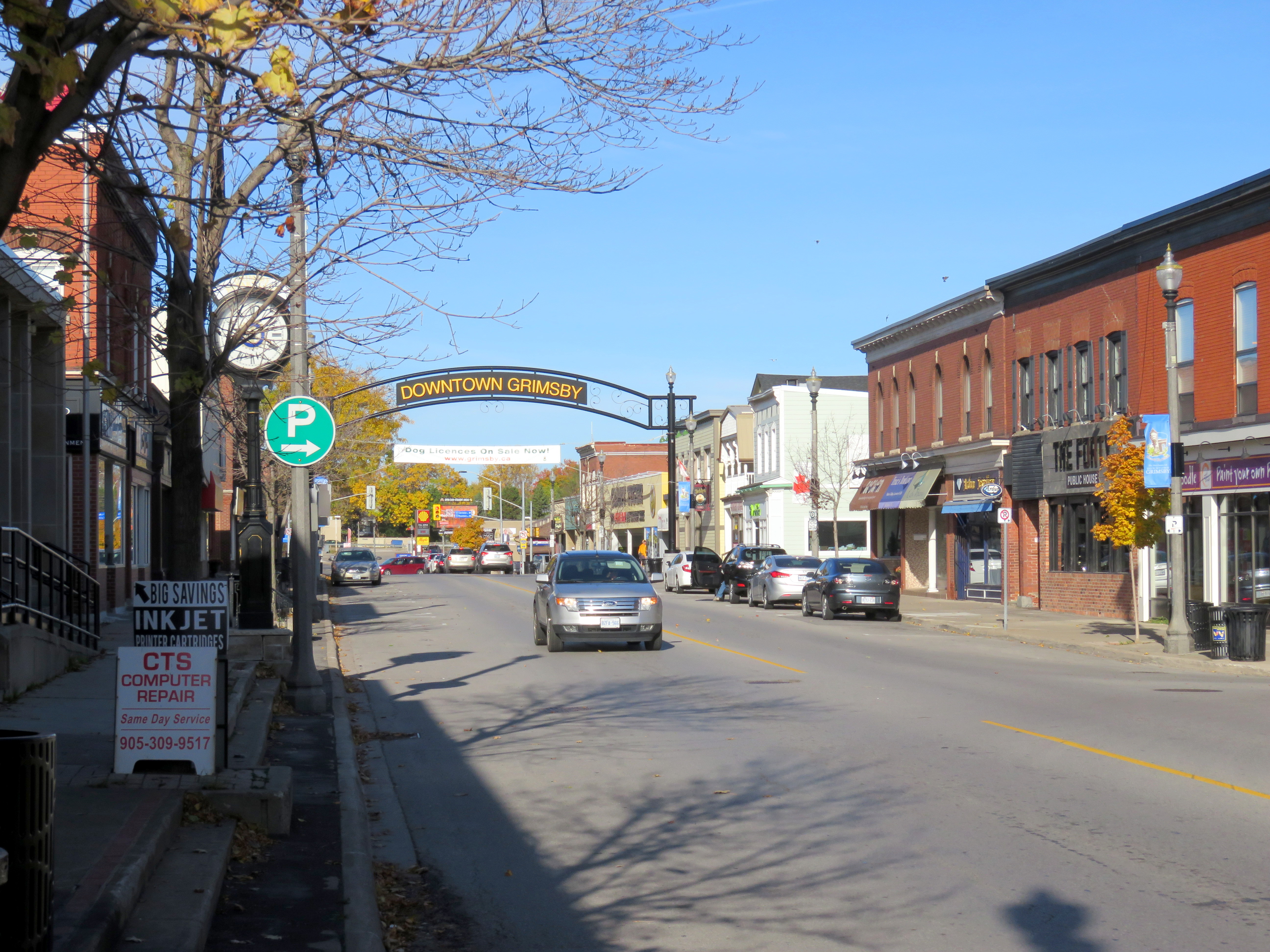
    img_6547-001Downtown Grimsby

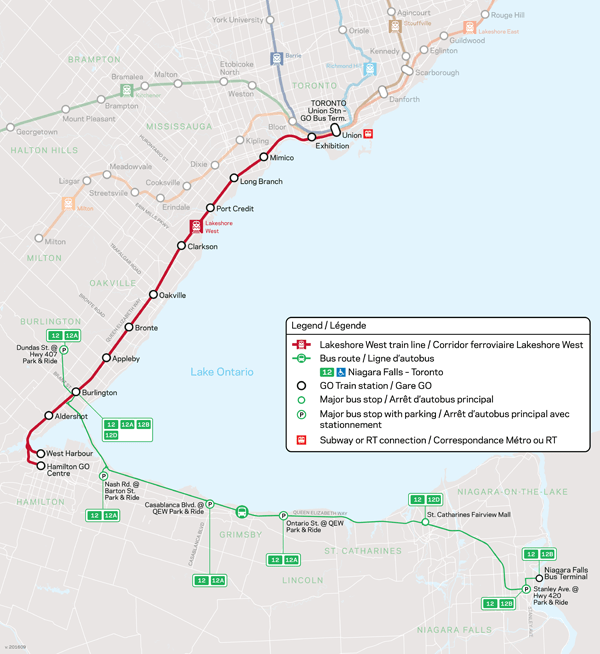
    GO Transit operates a summer weekend train service between Toronto and Niagara Falls, making stops at Port Credit, Oakville, Burlington, and St. Catharines, but not at Grimsby. GO Transit also operates a year-round bus service — Route 12 — that follows the QEW between Burlington GO Station and Downtown Niagara Falls, stopping at several park and ride lots and at Fairview Mall in St. Catharines, a secondary hub for local transit in that city.

    The Maple Leaf Train leaves Union Station at 8:20 AM, 7 days a week, and arrives at Grimsby just after 9:30 AM, stopping only at Oakville and Aldershot. Taking GO Transit, it takes nearly two hours to get to the park and ride at Casablanca Boulevard, including the transfer time at Burlington Station.

    niagara_bus_600
    GO Transit Route 12

    The Grimsby Amtrak/VIA station is located on Ontario Street, at a site picked by the Great Western Railway in 1853. It is a mere 5-10 minute walk to Downtown Grimsby, located in the centre of that community’s population. The GO Transit park and ride is located at the west end of town, at Casablanca Boulevard. The planned GO Transit Rail Station is located nearby. The bus stop and proposed rail station is located 3.5 kilometres from Downtown Grimsby, or a 45 minute walk.

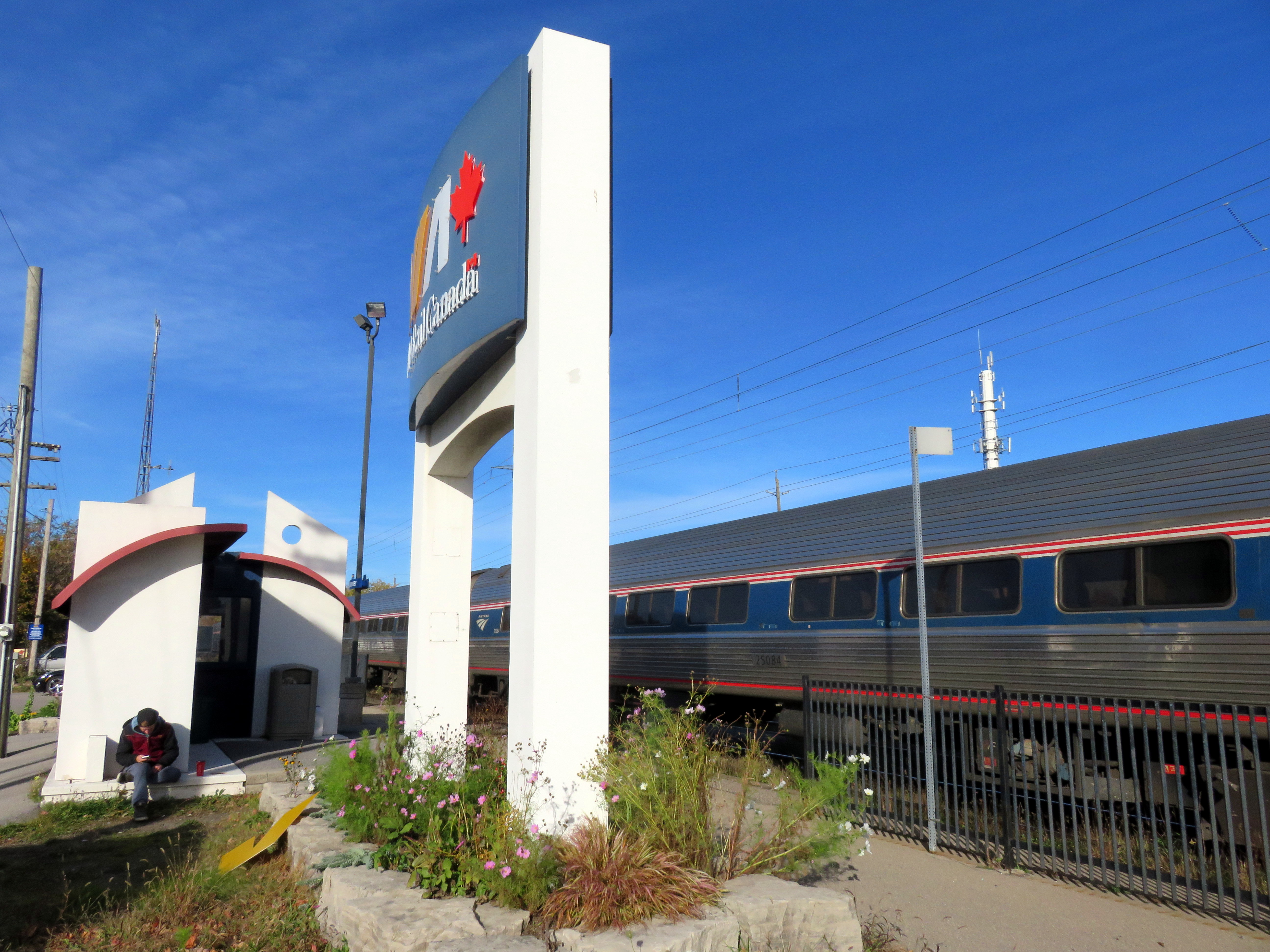
    img_6544-001Grimsby Station

    The current railway station at Grimsby consists of only a small shelter and indoor waiting area, along with a small parking lot for VIA customers. The platform is small, about one rail car’s length. The VIA Rail Canada sign is almost as large as the station building itself. But for me, the railway station’s location was far more convenient than the GO bus stop at Casablanca Boulevard.

    A new station at Casablanca Boulevard offers several advantages for GO Transit: easy access to the Queen Elizabeth Way, plenty of undeveloped land for a parking lot, and room for a platform for GO Transit’s 10-car and 12-car trains. But the location is not friendly for customers who wish to walk or cycle to the train, and without a local transit system, it’s inaccessible for many potential Grimsby commuters unless they were to take a taxi, get a ride, or drive their own car.

    img_6595-001
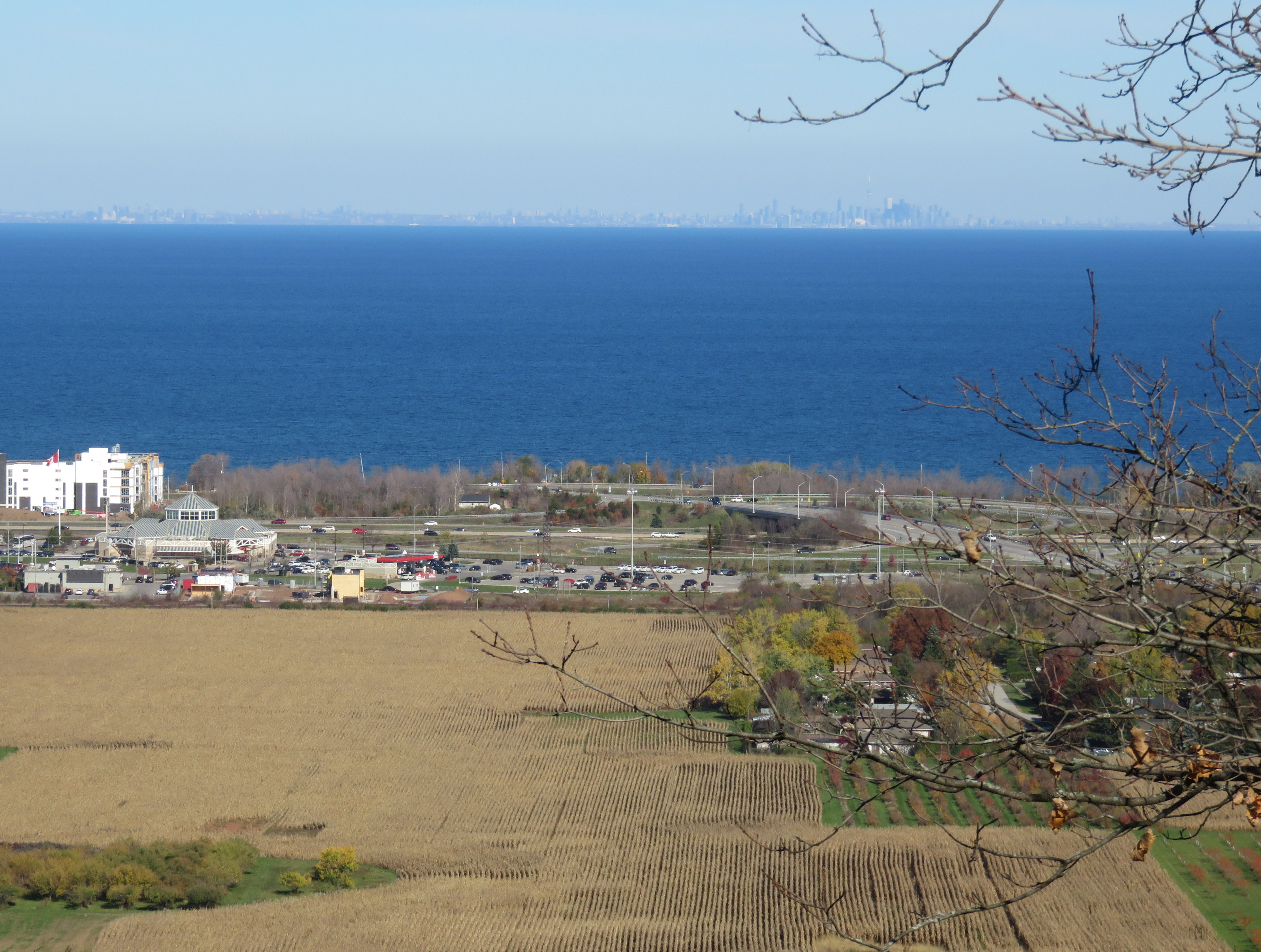
    Overlooking the QEW/Casablanca Boulevard interchange and the proposed location of the Grimsby GO Station. GO buses serve the park-and-ride lot in the middle ground. Note the clear view across the lake to Toronto.

    I have argued here before that GO Transit has an unfortunate record of catering to motorists while mostly ignoring the needs of many of its current and potential customers. GO Transit’s need for large parking lots often precludes locating stations in more urban locations. By providing ‘free’ parking, GO forces all passengers to subsidize those who drive alone to its stations.

    Of course, GO Transit is going to build Grimsby Station at Casablanca Boulevard; it was announced earlier this year as part of a GO service expansion project. But a useful local transit system, scheduled to connect with GO trains and buses, offering fare integration, can mitigate this problem. Transit riders shouldn’t be told to take a hike.

  • Ridership has tripled on UP Express, but we can do even better

    19008325386_9c321ac7ab_k

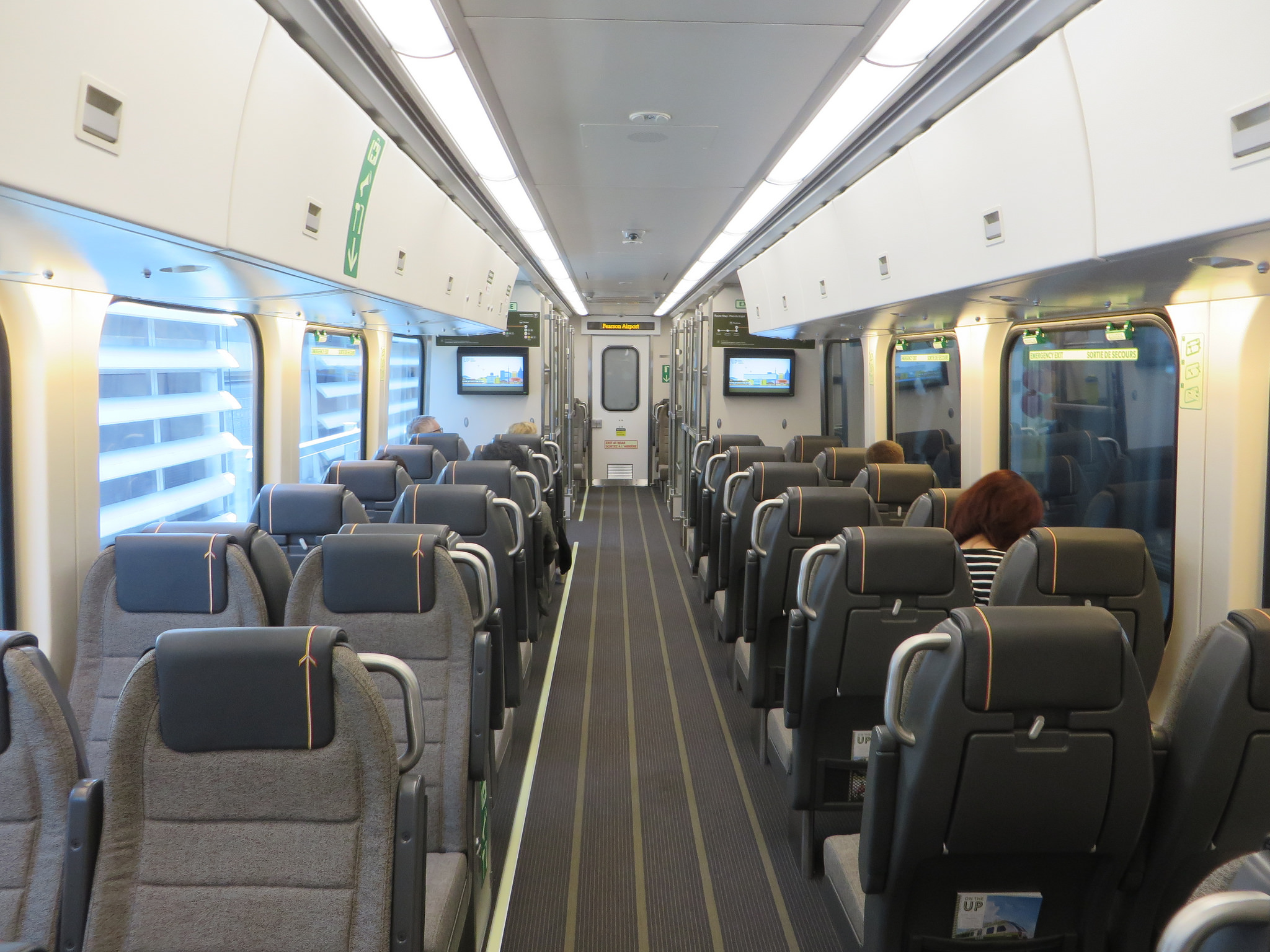
    When UP Express — Toronto’s rail link to Toronto Pearson International Airport – -launched on June 6, 2015, the one-way fare between Union Station and Pearson Airport was set at $27.50, or $19.00 with a Presto card. At the time, Metrolinx, the provincial agency charged with planning and integrating transportation services in the Greater Toronto and Hamilton Area and the parent agency of GO Transit, expected that ridership would hit 5,000 passengers a day in a year. But after its launch, ridership sunk instead. 

    By January 2016, only an average of 1,967 passengers a day rode UP Express, so Metrolinx cleaned house and lowered the fares. The one-way cash fare was reduced from $27.50 to $12, and from $19 to $9 with a Presto card, and fares between Union and Bloor and Weston stations were reduced to match the GO Transit fares for the same trips. Since the new fare structure was introduced, UP Express ridership has more than tripled. By June 2016, the daily average ridership increased to 7,657.

    Despite the ridership growth, and the utility of the rail service for local residents near Bloor and Weston Stations, there’s still more that can be done to make the most of the $456 million spent to build the line.

    The airport region is a major employment centre, yet is difficult to serve by public transit. Fare integration between UP Express, GO Transit, MiWay and Brampton Transit could be an important a first step in creating a full regional rail network, a concept that Mayor John Tory pitched as “SmartTrack.”

    Airport LinksTransit connections at Pearson Airport. UP Express, if it offered fare integration with the TTC, MiWay and Brampton Transit, would be an invaluable part of the Toronto area’s transit network

    UP Express’s ridership increase is a good news story. But there’s so much more utility that can be leveraged.

    I discuss the UP Express ridership trends further in Torontoist

  • The controversial Judson Street zoning change

    IMG_3781-001

    Earlier this year, Etobicoke Councillor Justin Di Ciano (Ward 5) pushed for a zoning change to several industrial properties on Judson Street, adjacent to GO Transit’s Willowbrook Yards. Local residents had enough with a concrete batching operation and Dunpar Homes applied to build a townhouse development on the site.

    City staff recommended against the rezoning, which would allow townhouses to go up on land previously zoned as industrial. Metrolinx, GO Transit’s parent organization, also spoke out against the re-zoning, warning that it could impact its expansion plans, including GO RER/SmartTrack. But Councillor Di Ciano, Mayor John Tory, and most of the mayor’s allies voted against those concerns and supported the redevelopment.

    Now Metrolinx is appealing the council decision to the Ontario Municipal Board, and the City will be forced to hire external expert advice, as it went against its staff recommendations.

    You can read the Torontoist post here, where I explain the situation in more detail.


  • Shortsighted short-turns at Bramalea GO

    IMG_2321-001Bramalea GO Station

    Earlier this week, I took a train from Union Station to Bramalea, as I was preparing for a walk that I will hosting on Sunday exploring Canada’s first satellite city.

    Bramalea Station opened in 1973 when the Georgetown GO train service — GO Transit’s second commuter rail line — was inaugurated. The station is located at the southwest corner of Steeles Avenue and Bramalea Road, surrounded by factories, warehouses and busy roads and highways.

    There’s little to fault GO Transit for locating its station where it is. In 1973, GO was still in its infancy, launching its first rail services along the Lakeshore Line in 1967. It wasn’t anything more than a commuter rail service, offering downtown-bound commuters an alternative to driving all the way in; free and ample parking was part of that successful model. In 1967, GO Transit was created to reduce the need to upgrade provincial highways; it allowed Downtown Toronto to become a bustling global financial centre without needing huge parking lots and garages and more freeways feeding into it; .

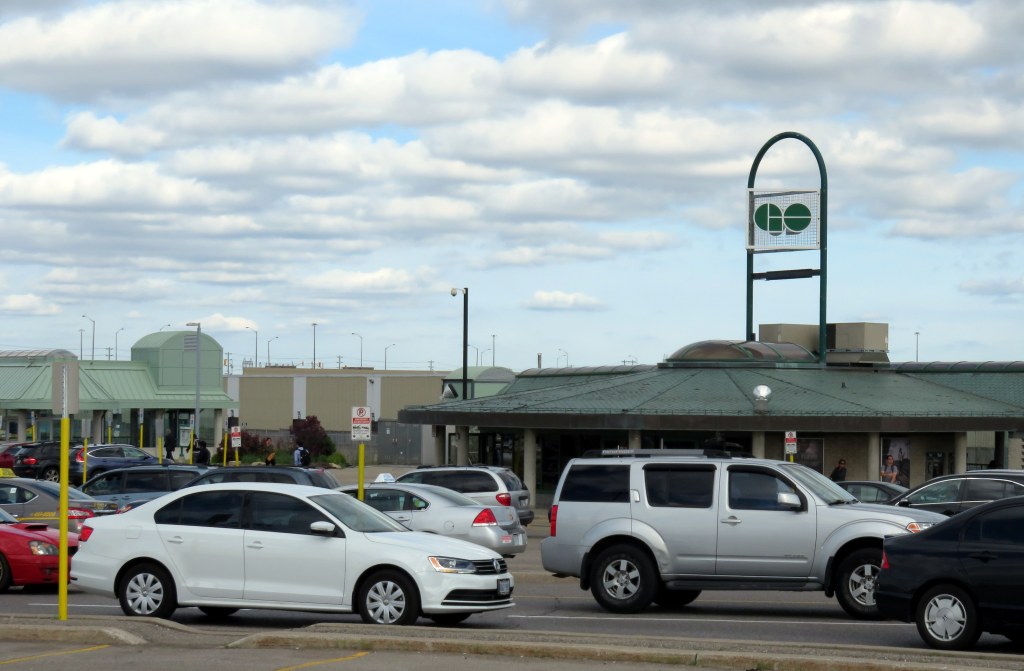
    The GO station is located in Bramalea’s south end, next to the CN mainline, surrounded by land designated for industrial development since 1959, when work began on that new suburb. The station is located near a waste-to-energy plant (an incinerator), and is located under Pearson Airport’s flight paths. Since GO insists on providing free parking to its customers, Bramalea (unlike, say, Downtown Brampton) isn’t a bad place to put lots of parking spots; in total, Bramalea has 2,377 parking spots. And since Bramalea Station is adjacent to Highway 407, it’s a major transfer point for GO bus routes to York University, Hamilton, Guelph and Kitchener.

    But like too many GO stations, Bramalea is needlessly hostile to pedestrians and cyclists, and is even hostile for many local transit users. As Metrolinx, the agency responsible for GO Transit, pursues Regional Express Rail (RER), it has a responsibility to improve Bramalea Station. As it exists right now, Bramalea is a terrible transit terminal.

    (more…)

  • Missed opportunities on the Mississauga Transitway

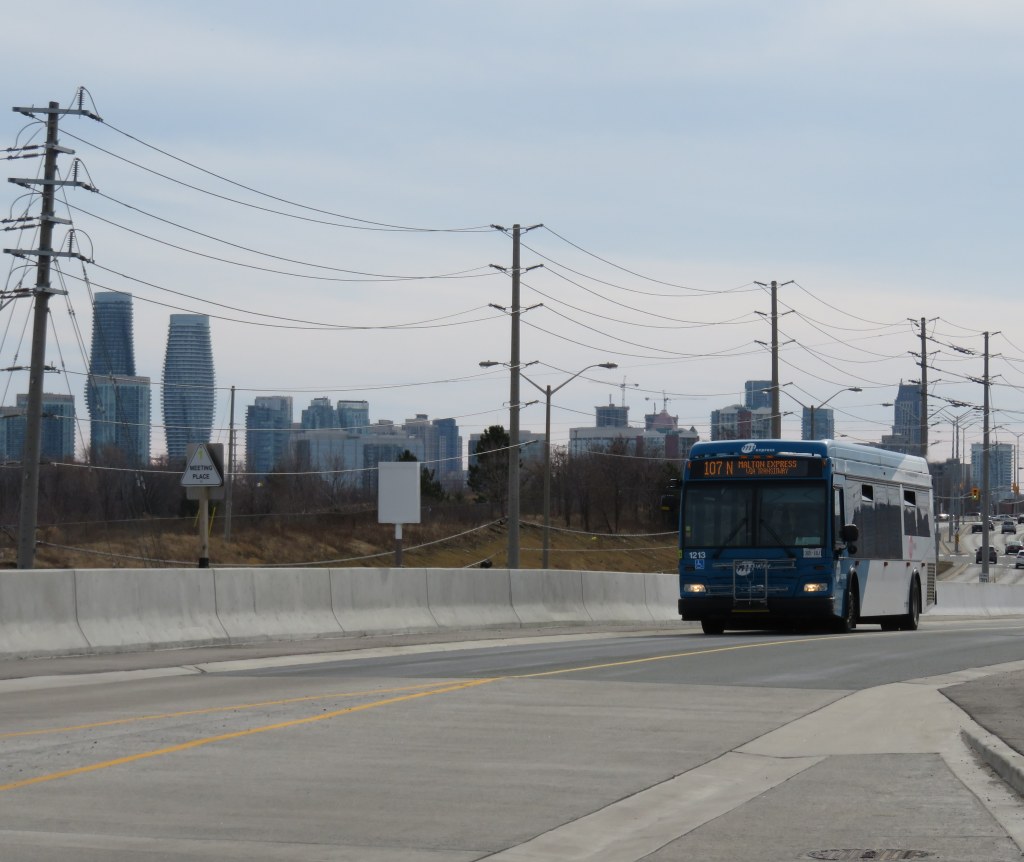
    IMG_0343-001Route 107 Malton Express bus on the Mississauga Transitway at Tomken Station
    After riding the UP Express back in March, the inspiration for a post on a proposed transit hub at Toronto Pearson International Airport, I went for a ride on the Mississauga Transitway.

    I first rode the Mississauga Transitway on a snowy Monday, November 17, 2014, the day it opened. At the time, only four stations were opened — Central Parkway, Cawthra, Tomken, and Dixie. On my first visit, I was unimpressed. But I decided to give it another try after the two new stations opened, on a Saturday, when I had plenty of time to check out the service, the new stations, and the environs.

    I have many thoughts and criticisms about this new piece of transit infrastructure, which will cost the City of Mississauga and Metrolinx a combined $528 million.

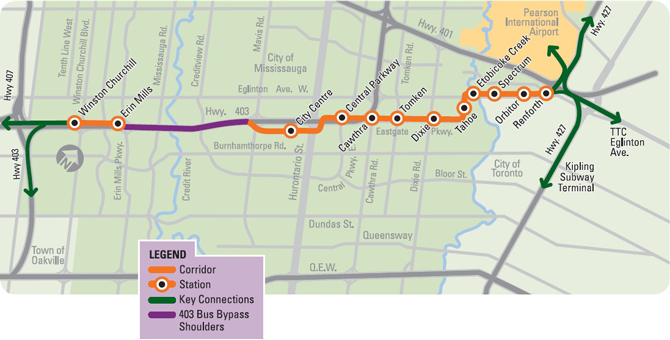
    mississauga_transitway_map_en-670x340Map of Mississauga Transitway, taken from the GO Transit website

    What is the Mississauga Transitway?

    The Mississauga Transitway is a bus rapid transit (BRT) project. BRT is a term used in the transit industry to describe everything from limited-stop conventional buses, perhaps with some perks like all-door boarding and queue-jump lanes sometimes called BRT-lite (Brampton Zum is a good example), to fully grade-separated, high speed bus corridors that operate like metro lines (the Ottawa Transitway and Bogota’s TransMillenio system are good examples). Other busways in Canada include the Ottawa Transitway, to be partially replaced by light rail transit, the Gatineau Rapibus corridor, York Region’s Viva Rapidways, and Winnipeg’s RT corridor.

    The Mississauga Transitway is a true BRT system, but it has several major weaknesses.

    (more…)

  • GO Transit and the high cost of “free” parking, Part II: Brampton Boogaloo

    IMG_0610-001

    GO and VIA Trains meet at Brampton Station

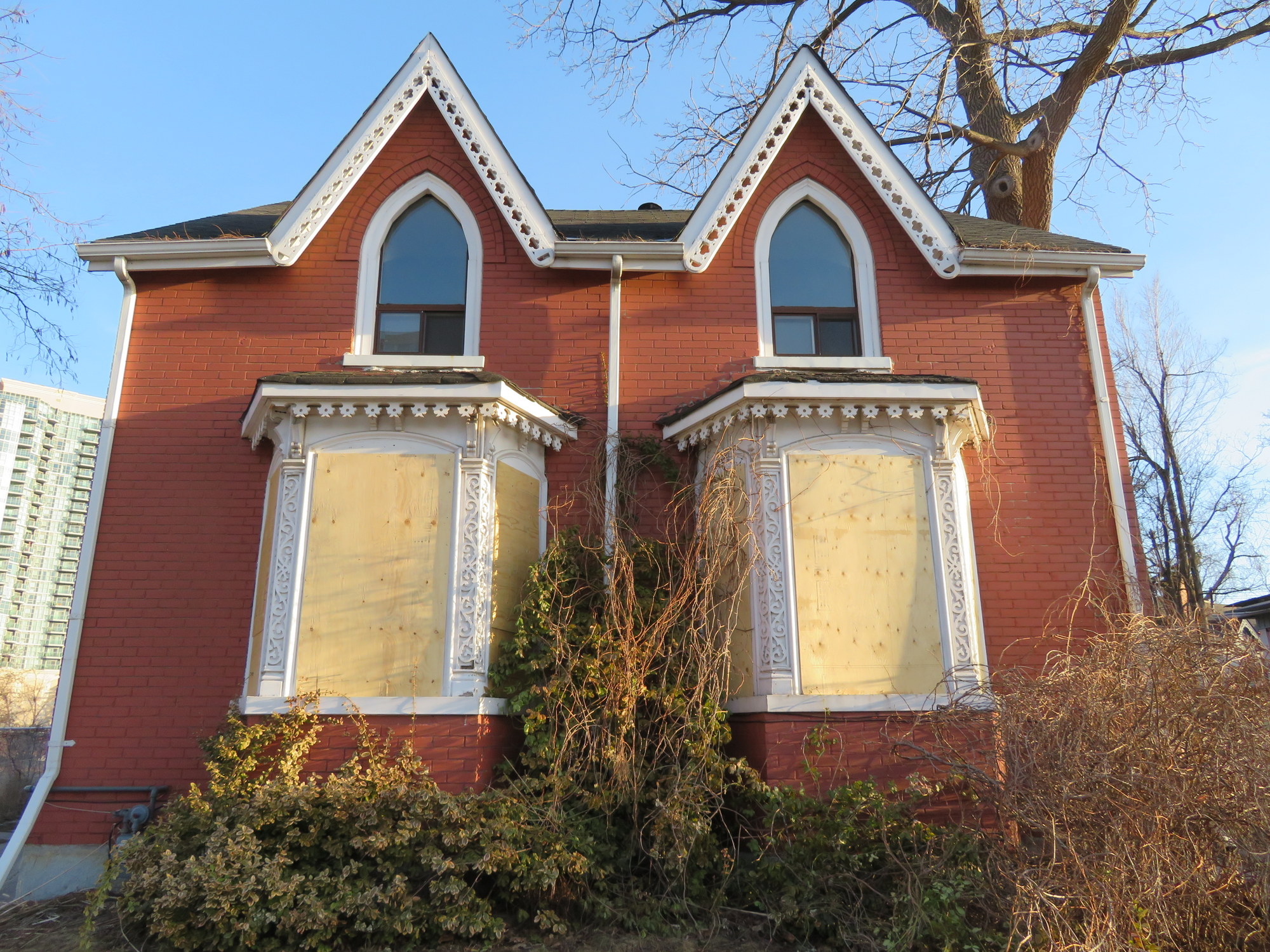
    September 20, 2016 update: Metrolinx has begun the process of demolishing its newly-acquired Downtown Brampton properties. It has applied for a demolition permit for 28A and 28B Nelson Street West, two semi-detached dwellings that were built in 2001. In the  City of Brampton, demolition permits for residential properties must be approved by the Planning & Infrastructure Services Committee. The permit will likely be approved at the September 26, 2016 meeting of that committee.


    On April 5, 2016, Peter Criscione at the Brampton Guardian reported on a matter that arose during the regular meeting of the City of Brampton Planning & Infrastructure Services Committee on April 4. Metrolinx, the regional transit authority that operates GO Transit and UP Express, confirmed the purchase of 1.78 acres in Downtown Brampton, land that will be used for surface parking.

    Brampton Station, served by GO Transit and VIA trains, is located in Downtown Brampton, and is adjacent to Brampton Transit’s downtown transit terminal. With local shopping, restaurants, residential areas and employment, it is one of the most walkable stations in GO Transit’s system; it has a Walk Score of 90. (Bramalea GO Station, in comparison, has a Walk Score of 22.) The options of getting to Brampton Station without a car are quite good, at least as far as most GO stations go.

    But Brampton Station’s two lots are full, and there are planned service improvements to Brampton, including eventual hourly evening and weekend rail service. Not everyone can be expected to take transit, walk, or get a ride to the station. But I find this land assembly troubling.

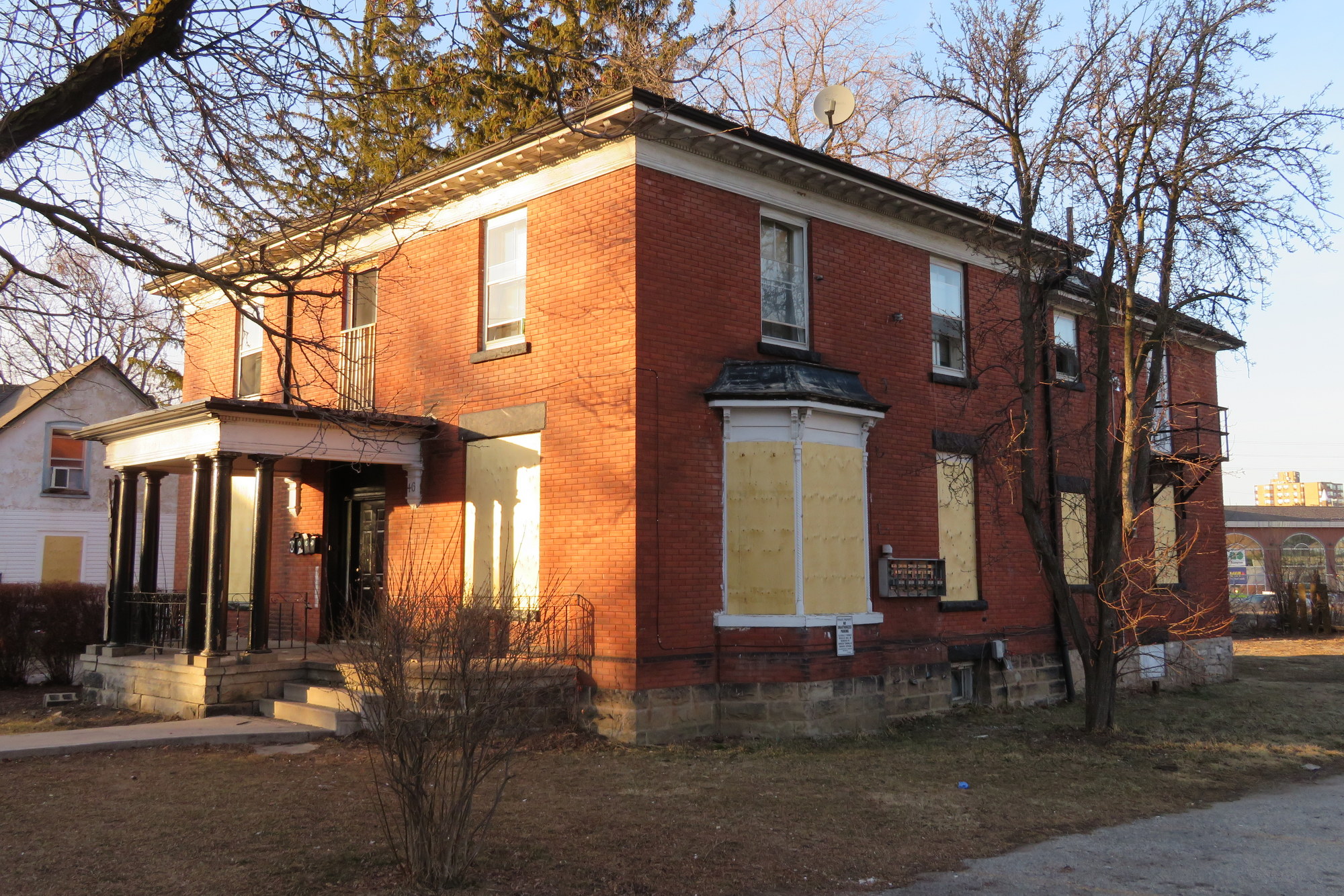
    According to Criscione, and noted in the minutes of the April 4 meeting [page 25-26], the properties purchased by Metrolinx include:

    • 20 Nelson Street West
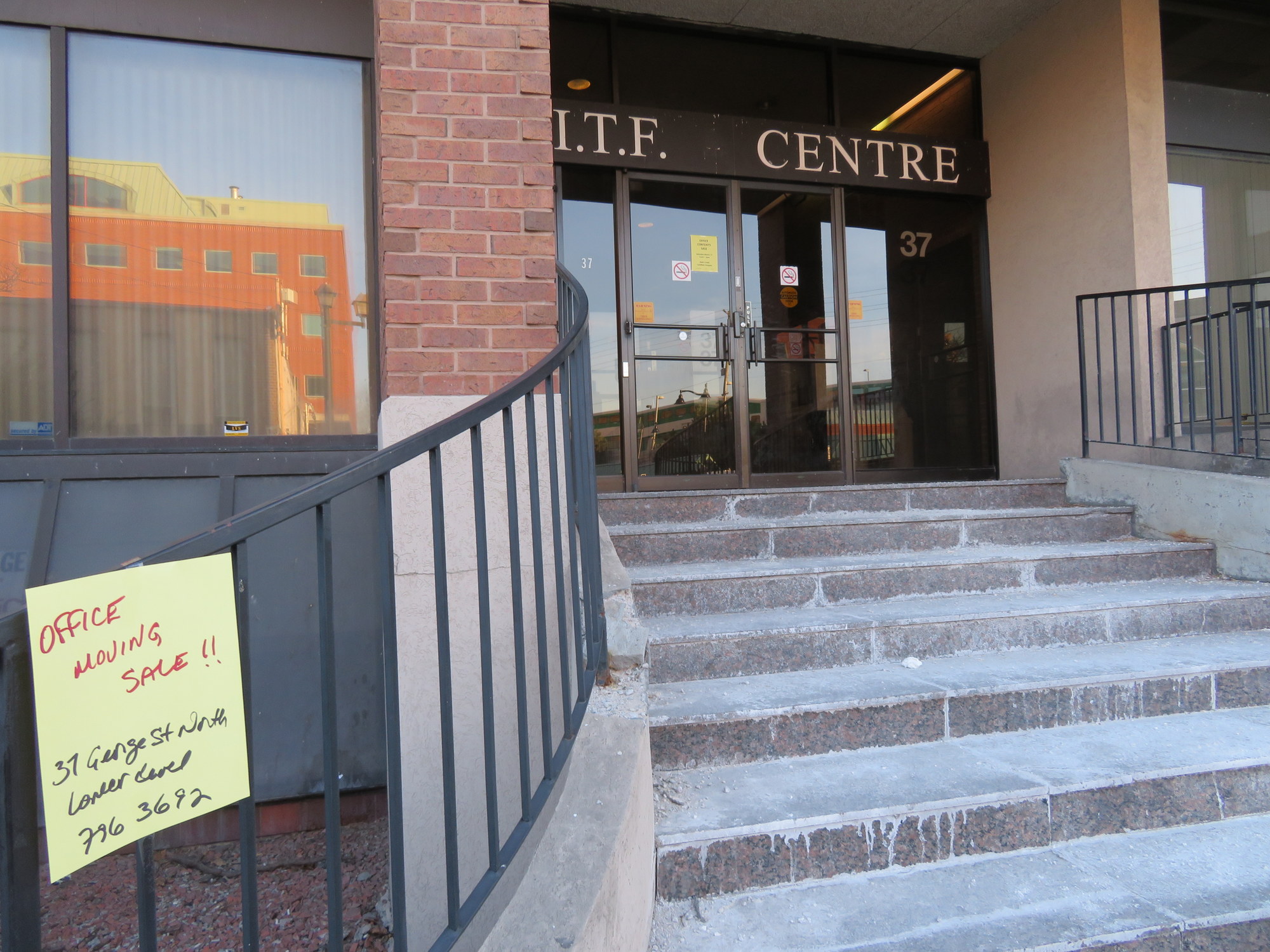
    • 37 George Street North
    • 41 George Street North
    • 26 Nelson Street West
    • 3 Railroad Street (includes 3 separate parcels)
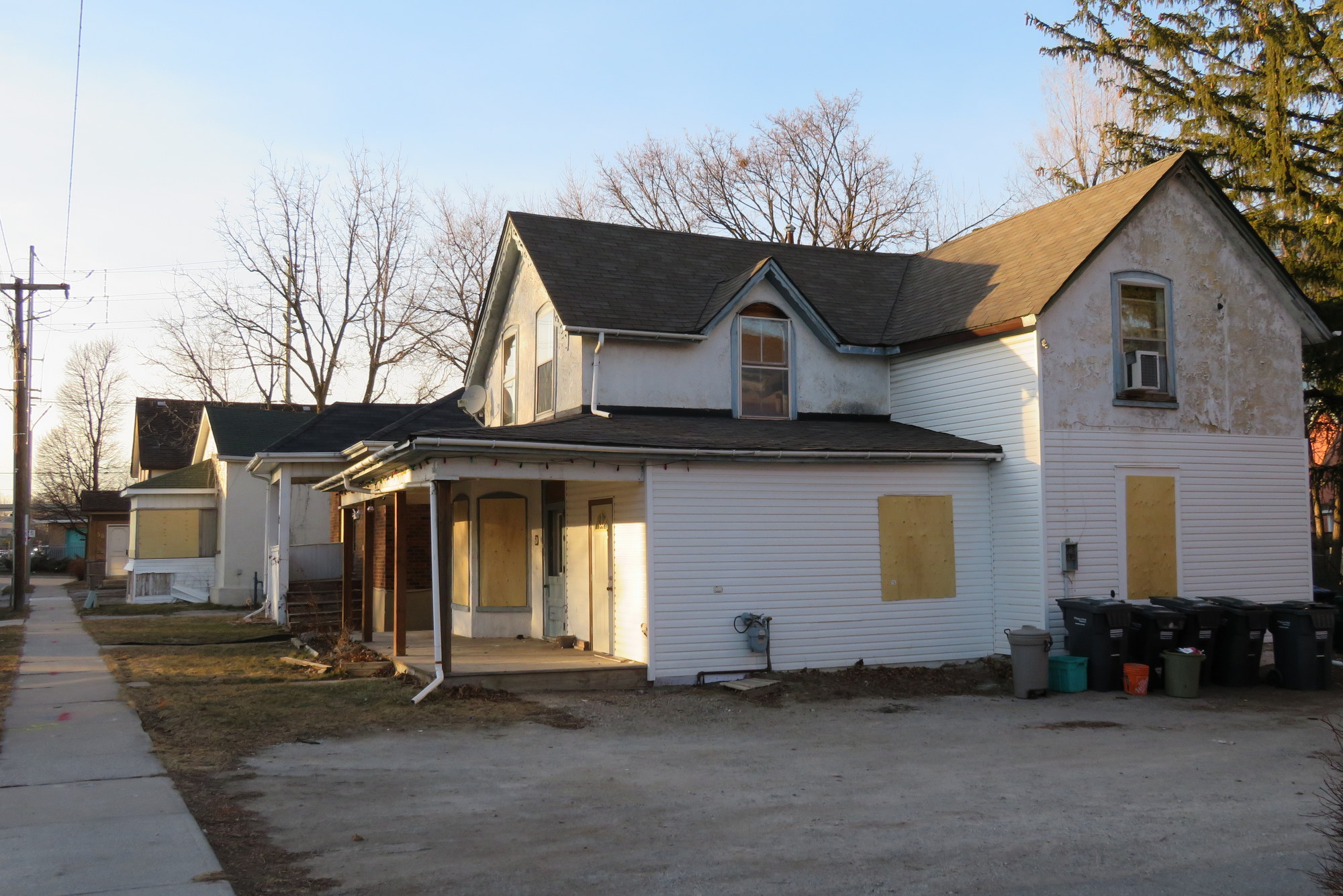
    • 28A Nelson Street West
    • 28B Nelson Street West
    • 30 Nelson Street West
    • 42 Elizabeth Street North

    The planning committee asked staff to contact Metrolinx and report on the status of its recent and pending purchases of downtown lands. It also invited Metrolinx to work with city staff and officials, as well as present their plans at a future meeting.

    The purchase of downtown lands for a parking lot is troubling, in my opinion. Downtown Brampton is a designated “anchor hub” — a major mobility hub where two or more rapid transit lines meet where transit-oriented development and intensification is encouraged. At no point do I see new surface parking lots are part of this vision, especially if buildings must be vacated and demolished to do so. And Downtown Brampton, not yet experiencing a building boom, has plenty of parking lots and garages that could be employed instead.

    The embedded Google Map below shows where these properties are located, immediately south of Brampton Station, and west of the Brampton Transit downtown terminal.


    On Friday, April 8, I visited Downtown Brampton to have a look at the properties in question.

    (more…)