Tag: Spacing

  • Toronto needs to build on what it has, not fall back on old tropes

    Toronto needs to build on what it has, not fall back on old tropes

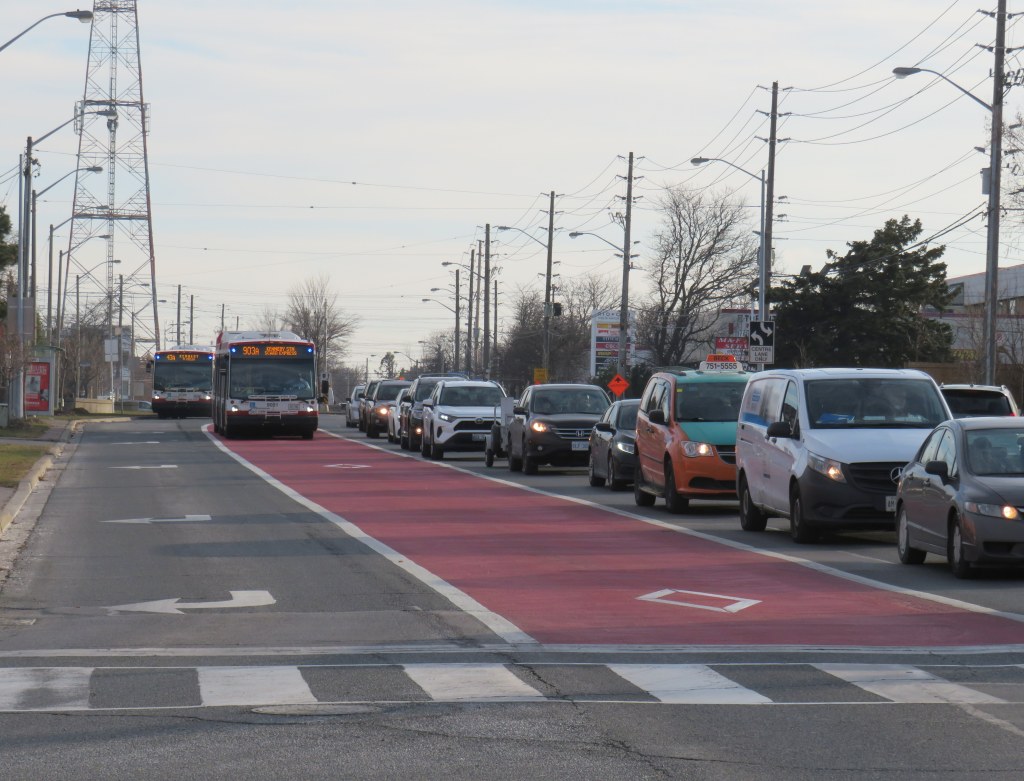
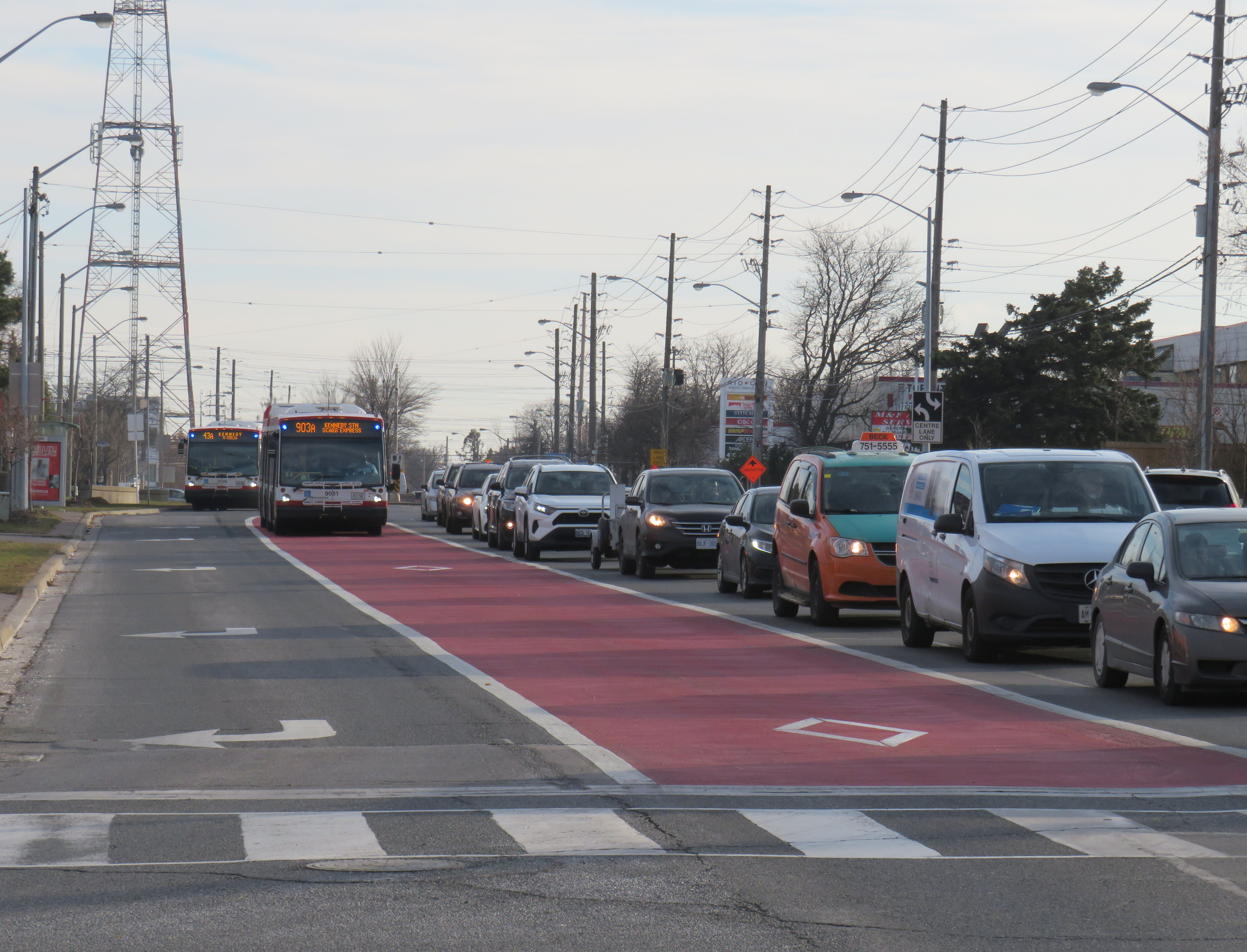
    Adding priority bus lanes is one way to speed up transit across the entire city

    Transit planning is a long-term endeavour, not a one-time project with a single solution. In a municipal election year, we need to demand more from leaders and those charged with planning and running transit services than simple soundbites that recall old political slogans.

    In Spacing, I wrote about the trouble of resorting to catchphrases such as “subways, subways, subways” when our transit troubles are more widespread — yet also fixable. We simply cannot rely on a single solution to our transit woes.

  • I went back to Toronto

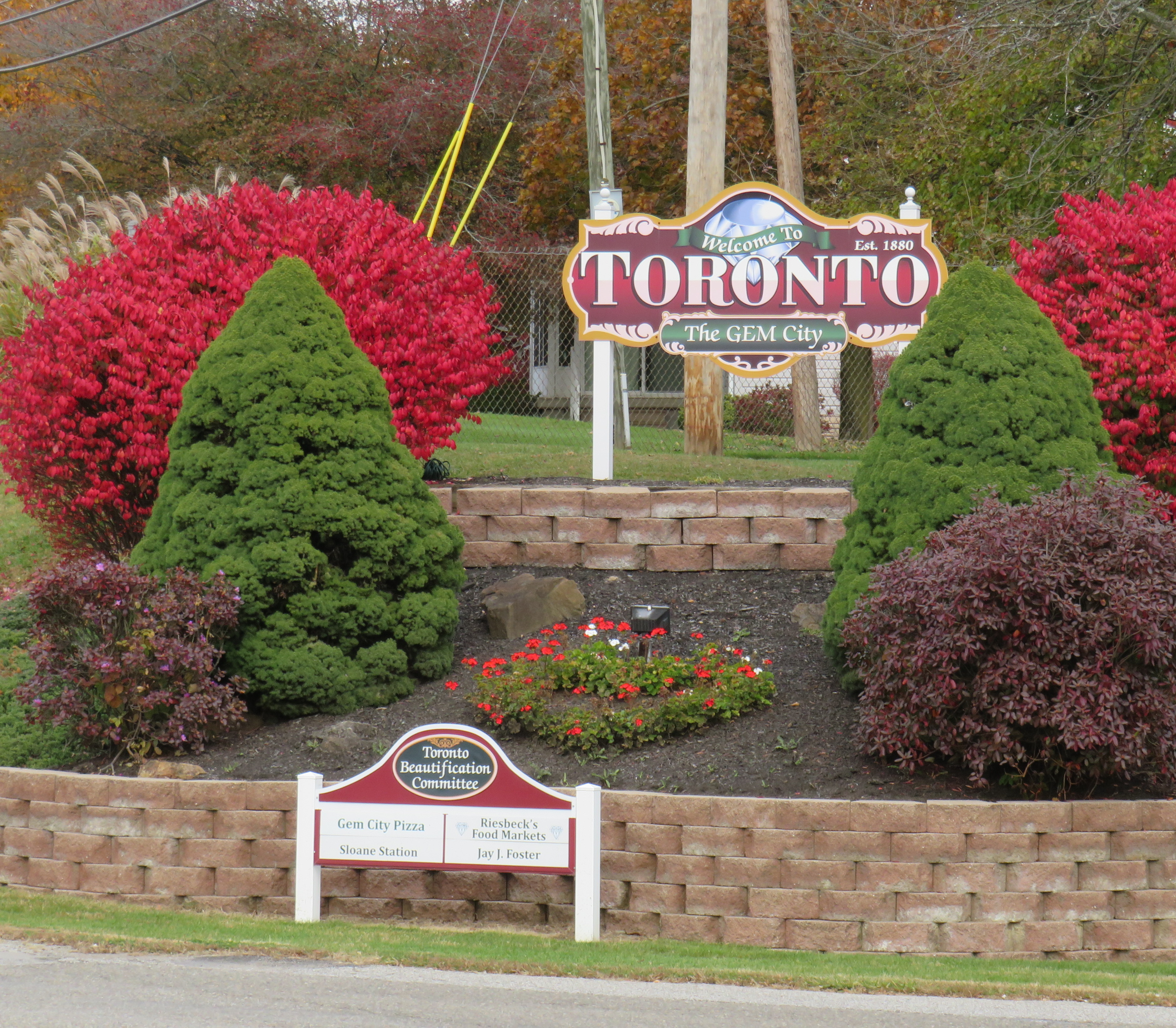
    Back in October 2012, I paid a visit to Toronto, Ohio, population 5,091. Soon after my trip to the Ohio River Valley, I wrote about my visit for Spacing Toronto. A decade later, in October 2022, I returned to Toronto while on a trip to nearby Pittsburgh.

    The small Ohio community was originally named Sloan’s Station, but when it was incorporated as a city, they chose “Toronto” because local businessman W.F. Dunspaugh, a Toronto (Ontario) native, thought his hometown was “a place worth emulating.” Toronto, Ohio is the only other city named Toronto, but other Torontos exist, including the town of Toronto, South Dakota (population 212) and the town of Toronto, New South Wales, Australia (population 5,161).

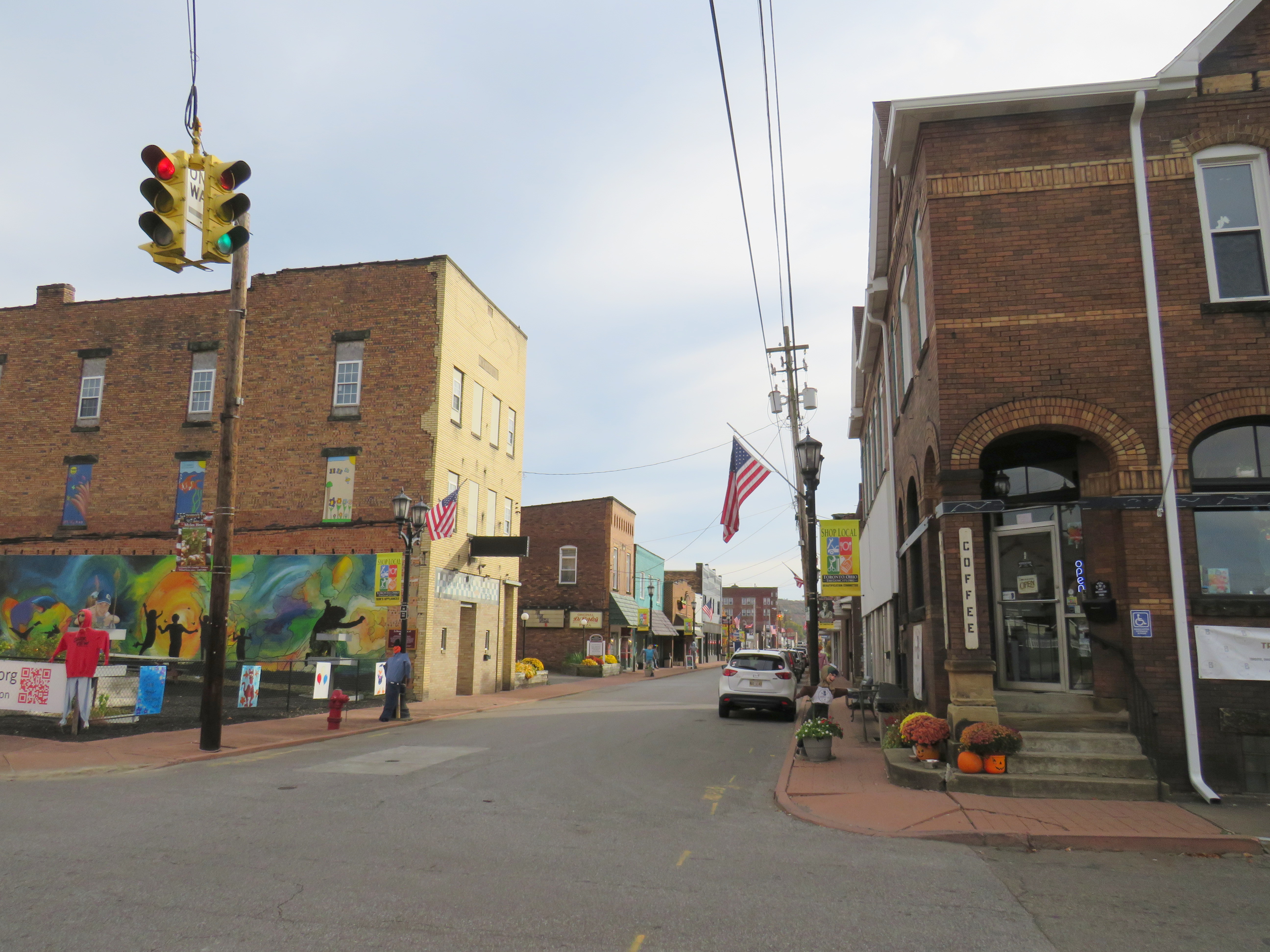
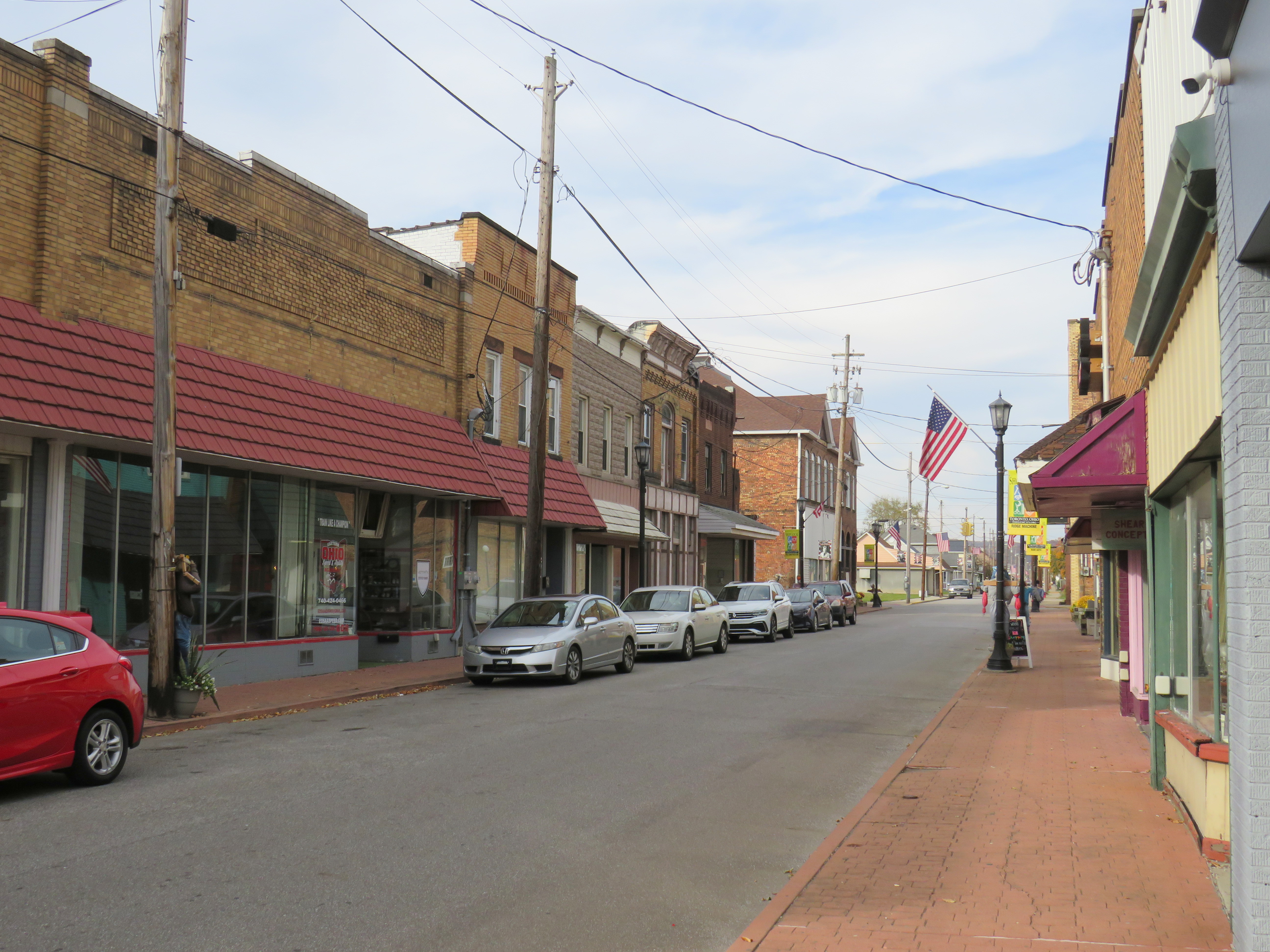
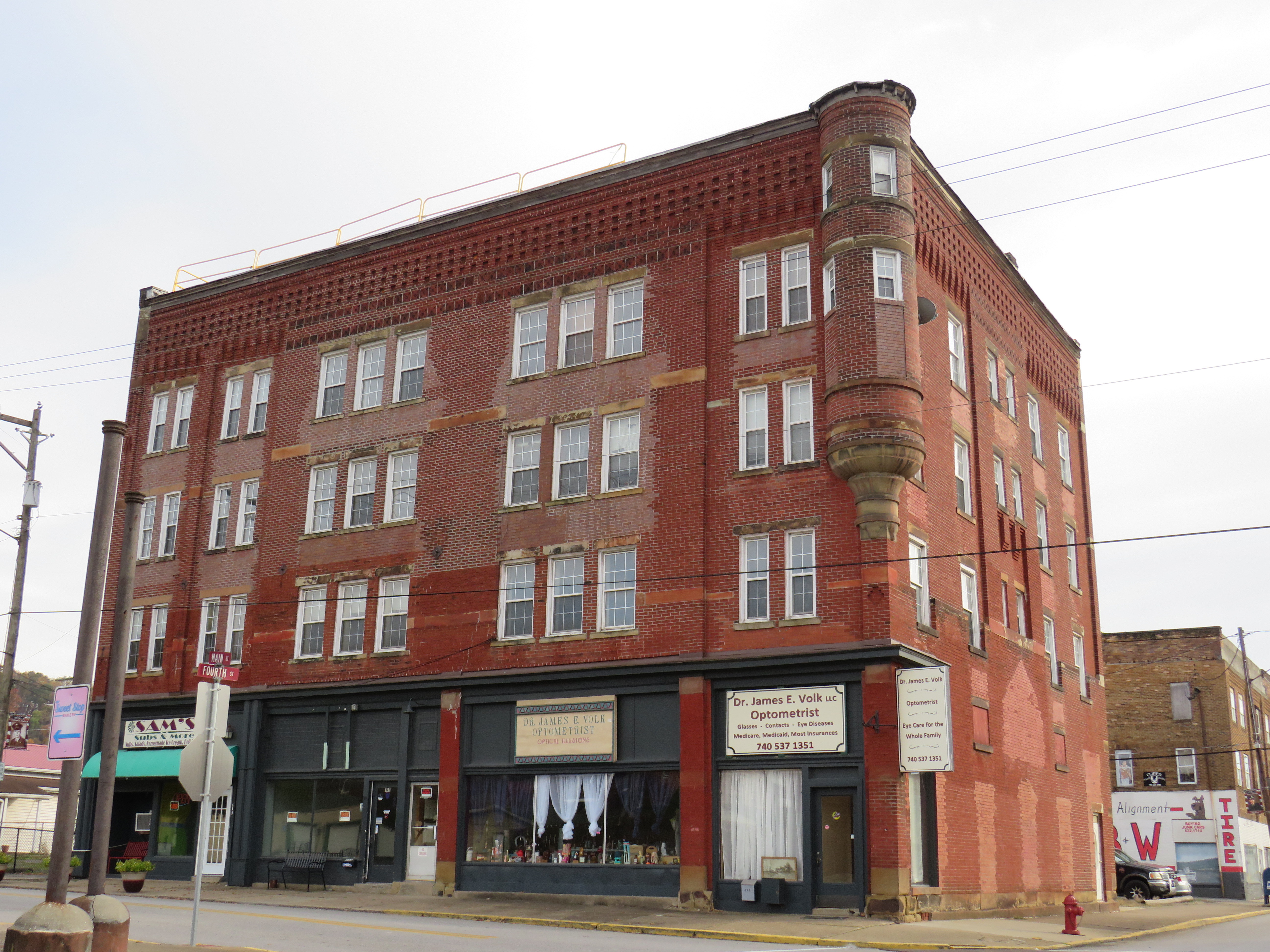
    In 2012, Downtown Toronto had only a handful of stores, including a Dollar General, a bar, pizzeria, a Hallmark gift shop, and a hair salon. Apart from the bar (which I went into ten years ago), those businesses are still there today, but there was also a new barbecue restaurant, and a coffee shop. Up the street, a disused auto shop was transformed into a pretty good taco joint. Though downtown wasn’t especially busy, the parking spots along 4th Street were mostly full.

    Downtown Toronto. A community garden sits on a vacant lot on the corner.
    4th Street, Toronto’s main street
    The old hotel, now shops and apartments

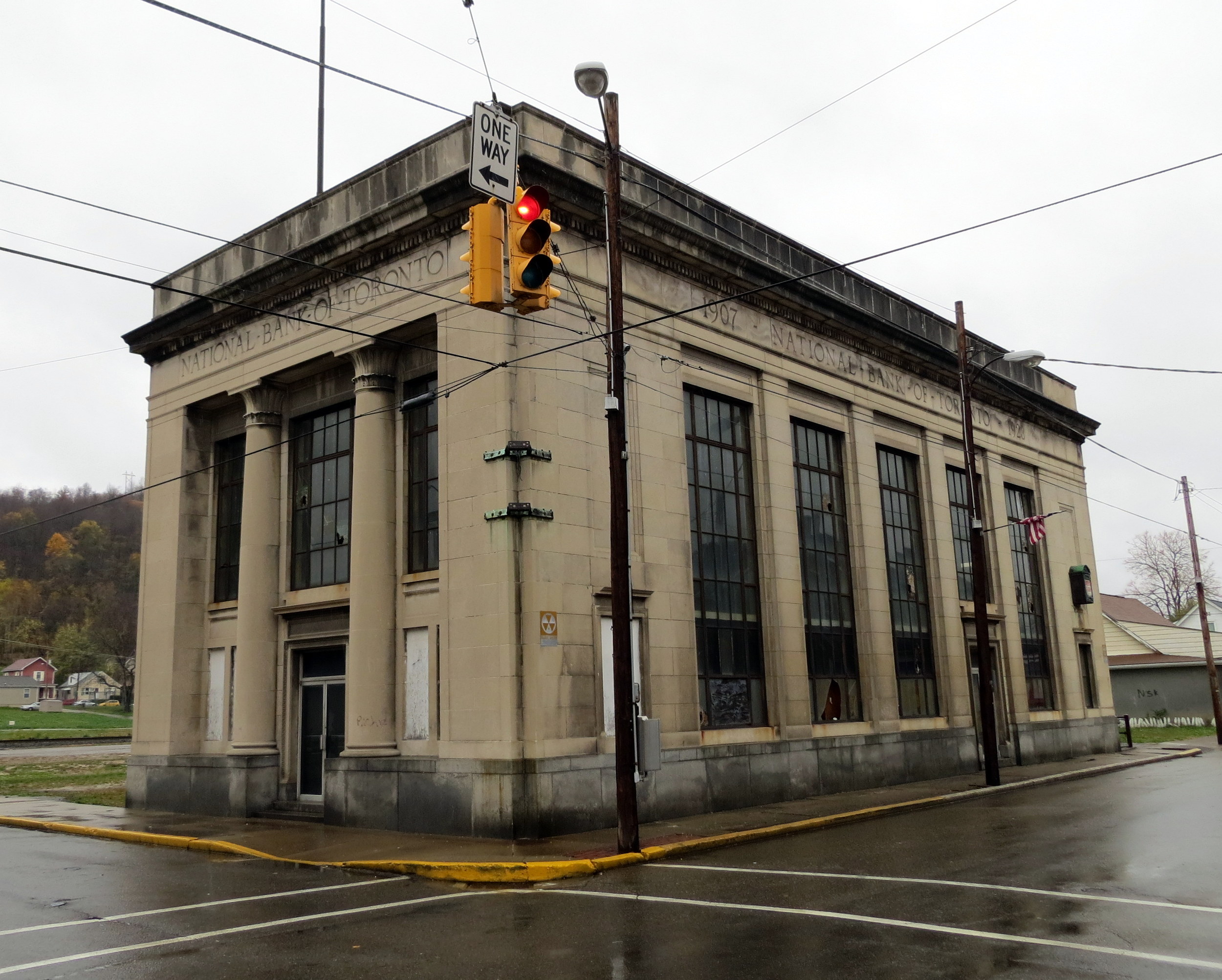
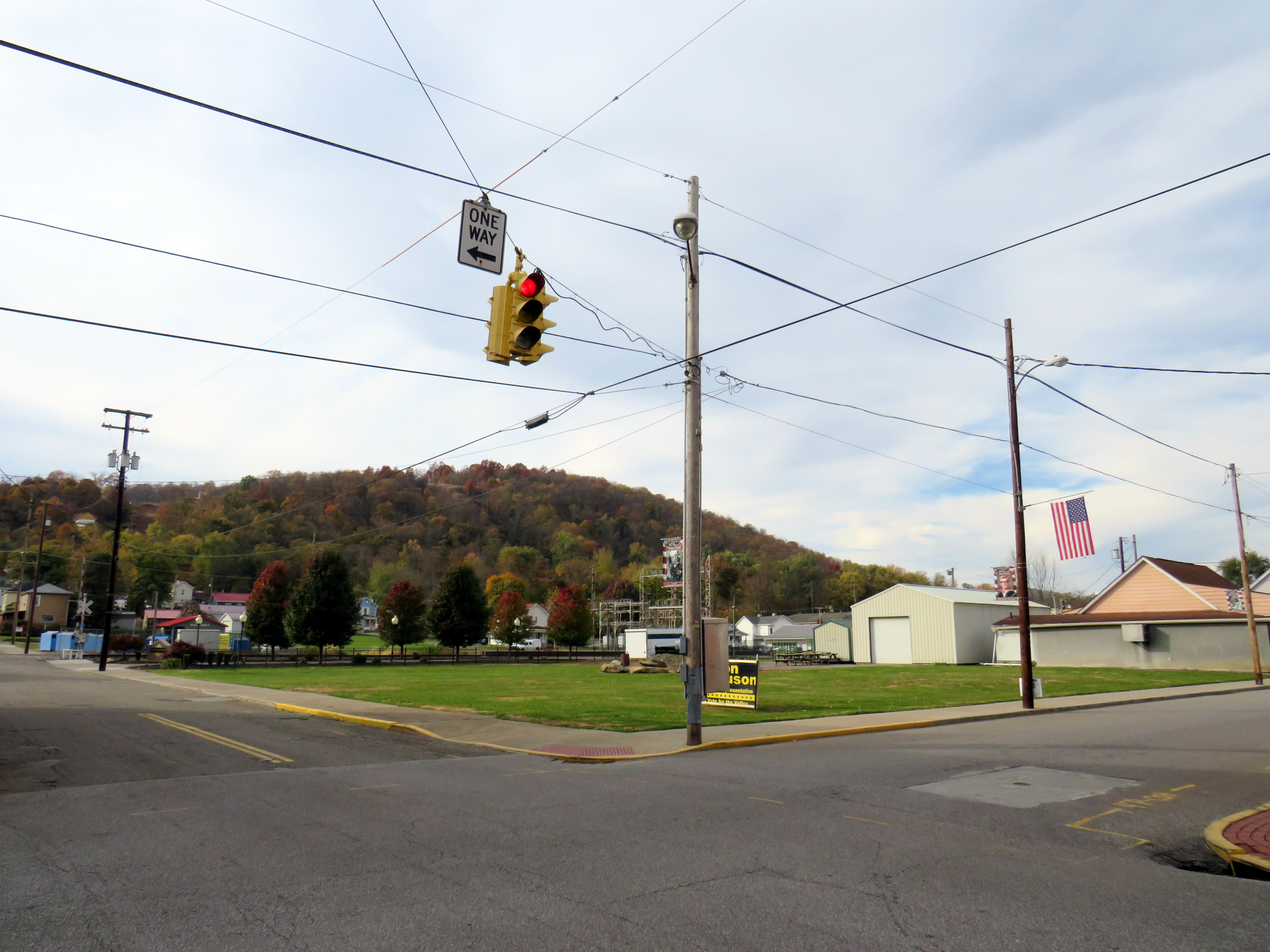
    Sadly the abandoned, yet still handsome National Bank of Toronto building was torn down a few years ago. Otherwise, Toronto continues to hold its own, with a well-kept little downtown and more places to sit and eat than before.

    Former National Bank of Toronto, October 2012
    Site of the former National Bank of Toronto, October 2022

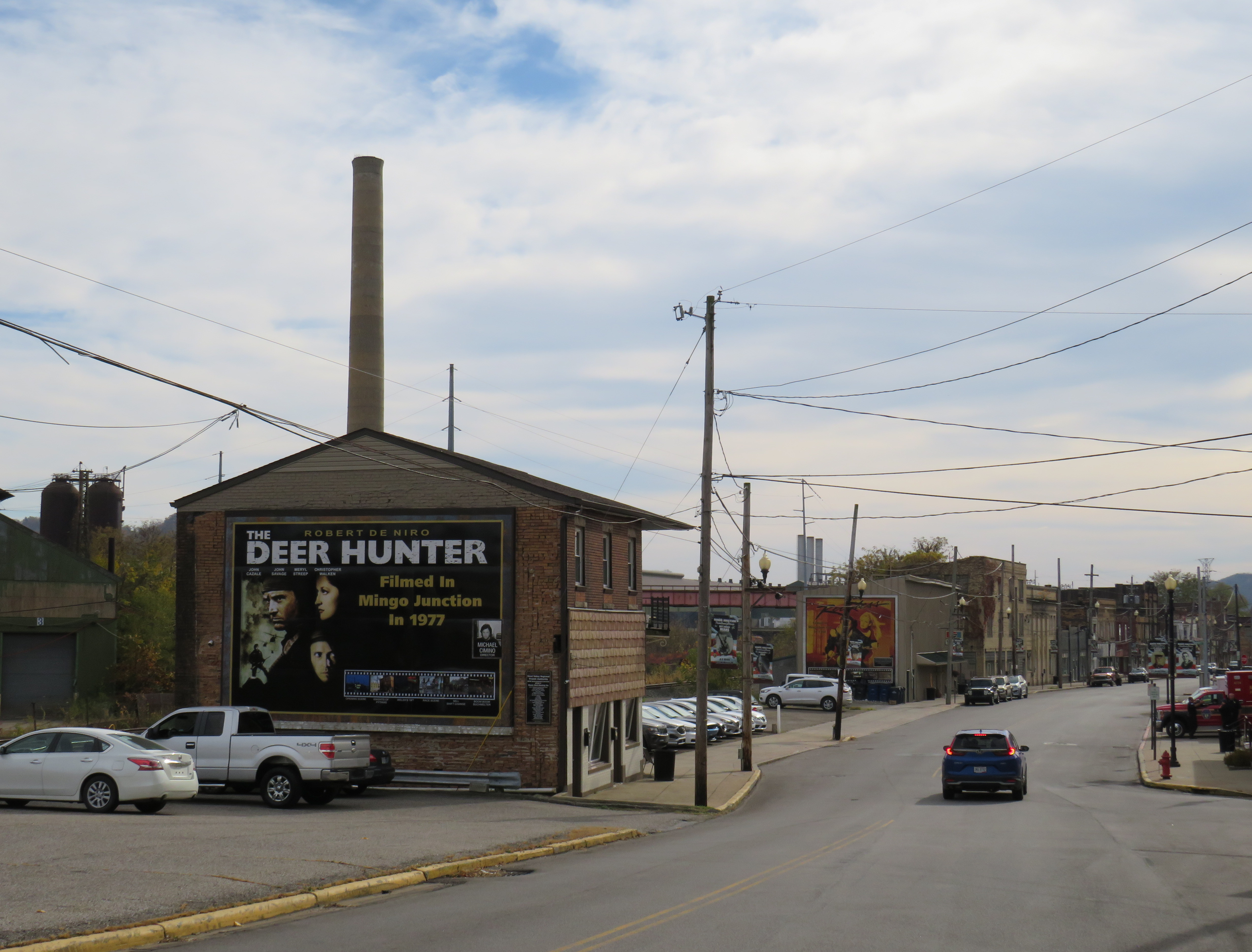
    Just a few miles to the south is the town of Mingo Junction, Ohio, one of many industrial communities along the Ohio River in Pennsylvania, West Virginia, Ohio, and Kentucky. Mingo Junction is best known as a filming location for movies including the acclaimed 1977 film “The Deer Hunter.” The town now celebrates its cinematic history with large vinyl signs displayed on the north end of Mingo Junction’s main street.

    Large sign celebrating the filming of “The Deer Hunter” in Mingo Junction, Ohio

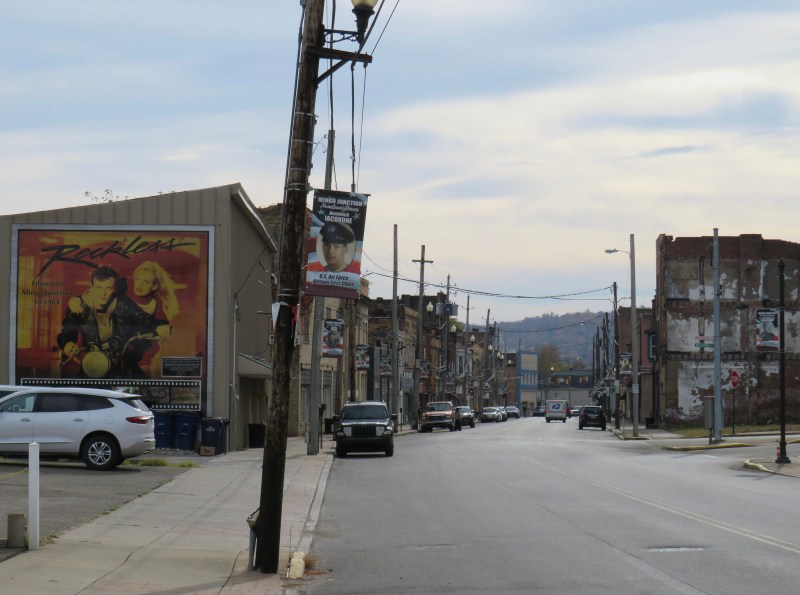
    While Toronto’s economy is based on a still-busy titanium mill, Mingo Junction is a old steel town, hit hard by the deindustrialization of northeast Ohio in the 1970s and 1980s. The condition of its Main Street

    Mingo Junction’s Main Street, bypassed by a newer expressway. Another mural celebrates “Reckless,” a 1984 film also filmed in town.
  • Voter turnout in the 2022 municipal election

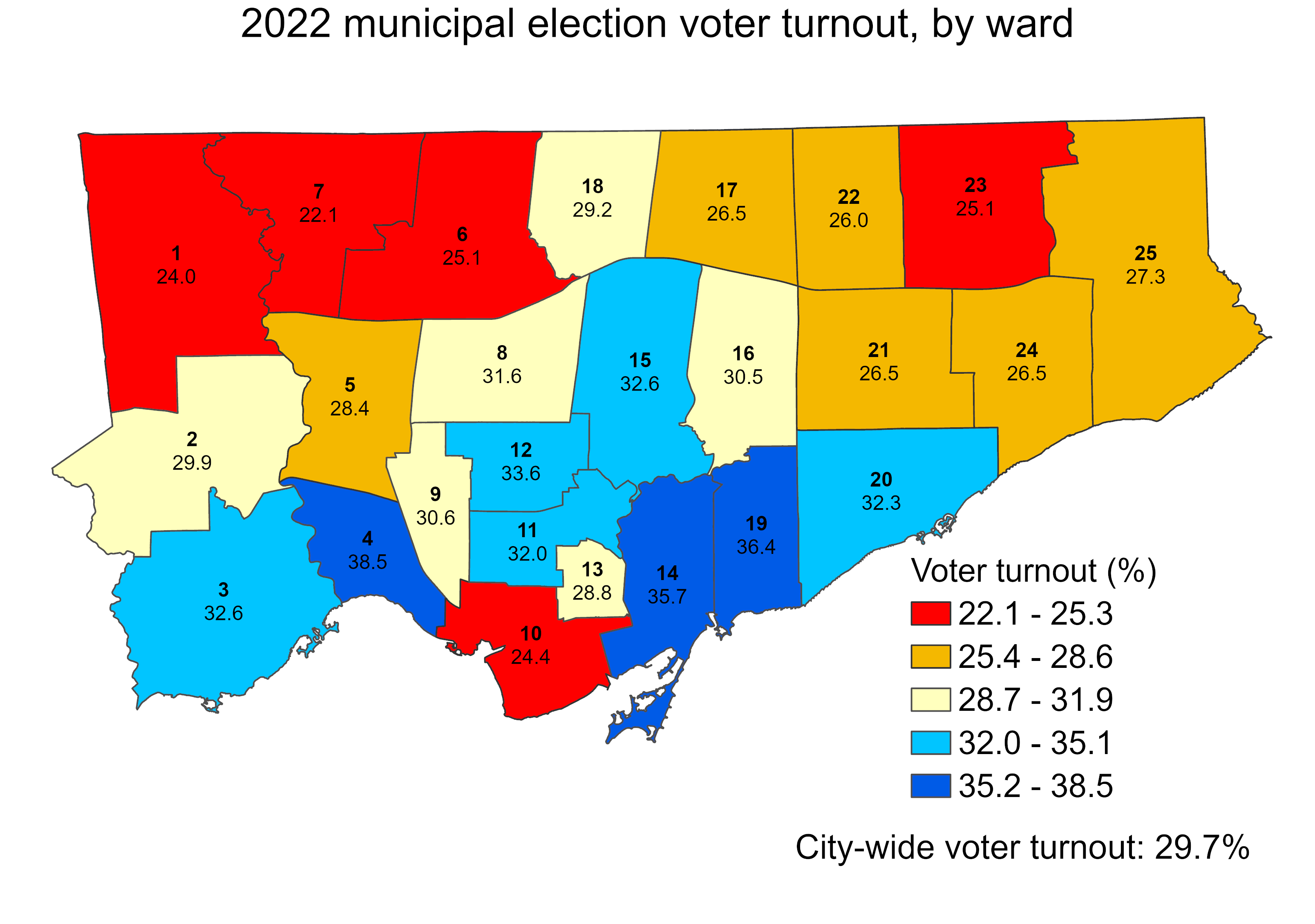
    Ever since John Tory was elected mayor of Toronto in 2014, voter turnout in municipal elections has been in decline. In 2010, the year Rob Ford was elected mayor, turnout was 50.4 percent. Four years later, 54.7 percent of all eligible voters went to the polls to elect a new chief magistrate. However, in 2018, just 40.9 percent bothered to vote, and in 2022, turnout fell further, to just 29.7 percent.

    With the recent release of detailed voter statistics from the 2022 municipal election in the Toronto Open Data catalogue, it is now possible to see how much turnout dropped in each ward.

    I dig deeper into the last election’s dismal showing, and what it might mean for the upcoming mayoral by-election, at Spacing Toronto.

  • Mapping the results of the 2022 Toronto municipal election

    How Toronto voted for mayor. Areas shaded in blue represent electoral subdivisions (polls) where John Tory placed first. Areas shaded in purple represent polls where Gil Penalosa placed first. Click here for the interactive version.

    As has become my tradition after Toronto’s municipal elections, I mapped out the poll-by-poll results of the mayoral race and some of the more interesting council races. After creating maps for the 2014 election and sharing those on social media, it was suggested that I have a website to host these maps. That is how this website came to be.

    This time, I created an interactive map showing the results of the mayoral race, along with six council races: Ward 3 Etobicoke-Lakeshore, Ward 4 Parkdale High-Park, Ward 5 York South-Weston, Ward 11 University-Rosedale, Ward 18 Willowdale, and Ward 20 Scarborough Southwest.

    I offer more thoughts over at Spacing Toronto, as part of a series mapping the municipal election.

  • Mapping the 2022 municipal election

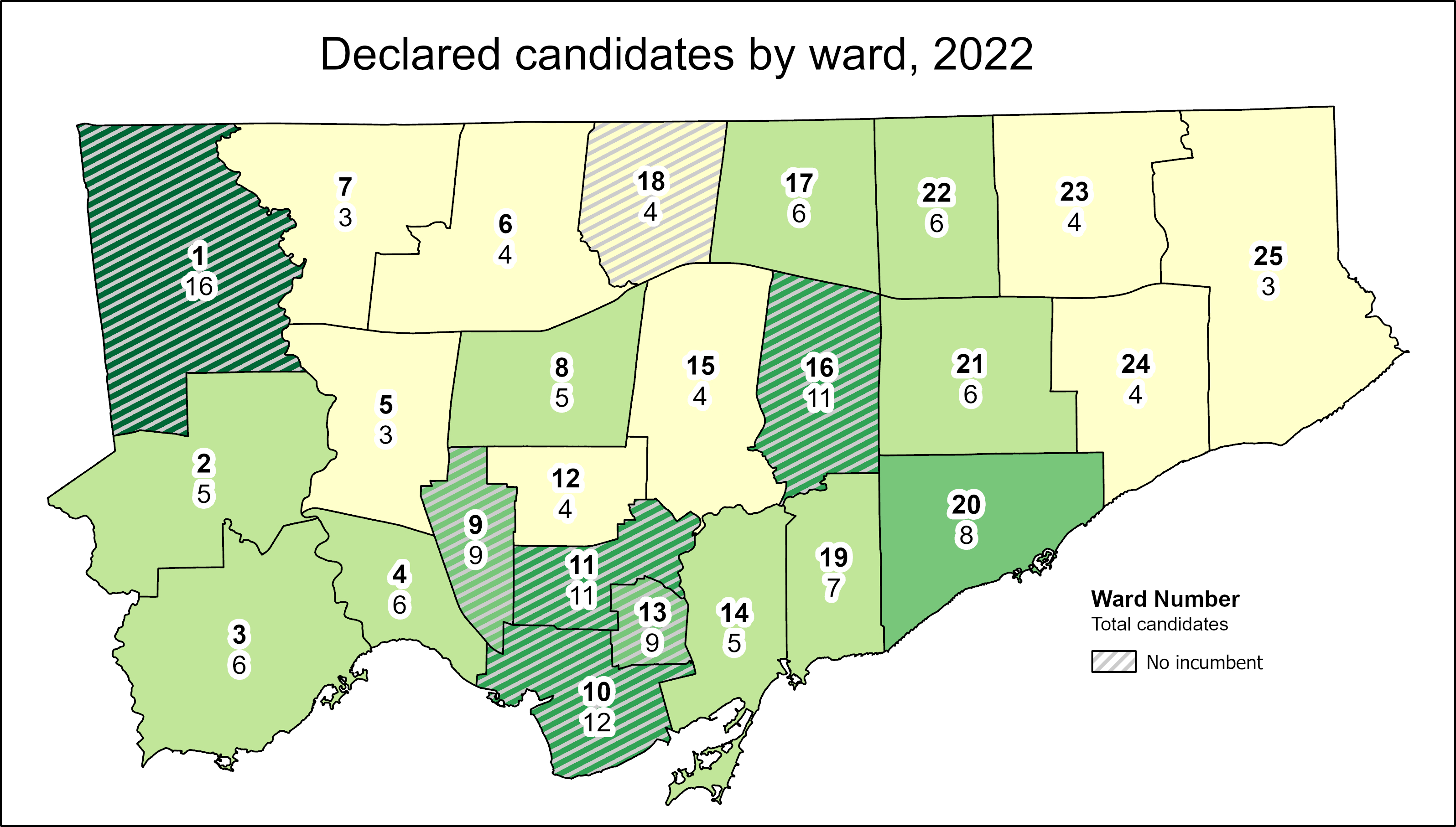
    Number of candidates running in each ward

    This coming Monday, October 24, Ontarians will be electing new city councils. In Brampton, Ottawa, and Hamilton, the mayoral races should prove to be interesting. For Ottawa in particular, with Jim Watson stepping down, voters have a clear choice (and I’ll be cheering for Catherine McKenney). Though Gil Penalosa offers a new vision of a sustainable, active, and safer city, it’s very likely John Tory will win an unprecedented third term, the first to do so since amalgamation in 1998.

    At Spacing Toronto, I have been offering some insights by mapping the state of our local democracy, ward by ward. Though there are seven wards in which no sitting councillor is running for re-election, the new council may not look too much different from the last one. That’s because two former councillors — Vincent Crisanti and Jon Burnside — will be looking to get back into office. Meanwhile, Mayor Tory has been busy campaigning for twelve candidates, including eight incumbents, that will help advance his agenda of incrementalism and austerity. Among Tory’s picks are Frances Nunziata, who has been in municipal office uninterrupted since 1988.

    Here are the links to my posts at Spacing:

    Open wards and the power of incumbency: The power of incumbency, and the mayor’s own influence, will weigh heavy on the final results. Though there may be seven “open” wards and a few more truly-competitive races, there is a lot happening behind the scenes to favour certain candidates.

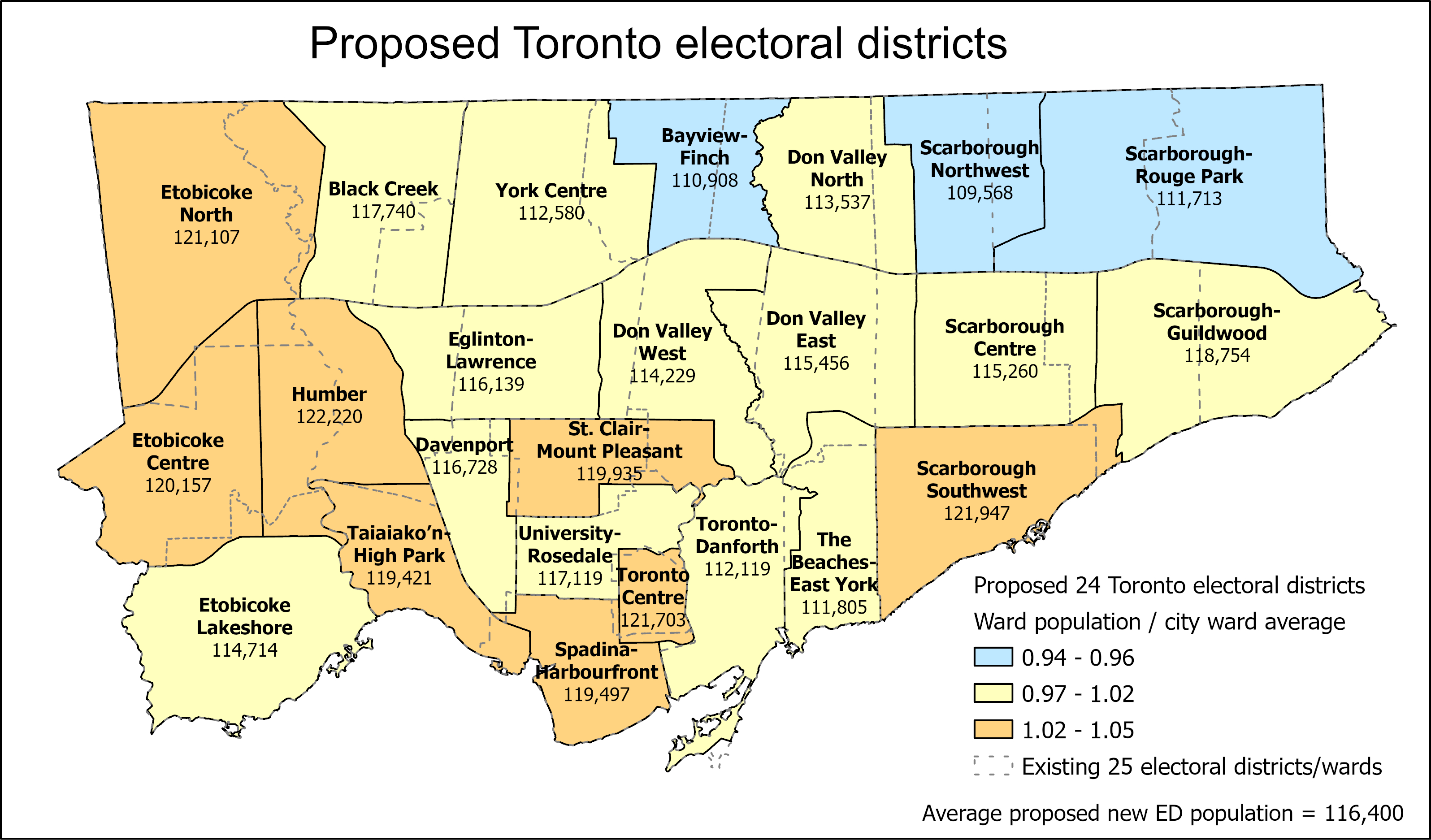
    Population disparities between Toronto’s 25 wards: How ward boundaries that were drawn in 2013 have exasperated imbalances in population, leading to burnout in high-growth wards (with several downtown councillors deciding to move on). If Toronto continues to be forced to use federal/provincial riding boundaries, it will have just 24 wards in the 2026 election.

    What Toronto’s new ward boundaries might look like

    Toronto is a highrise, rental city – unlike City Council: Though nearly half of all Torontonians live in highrise dwellings and/or rent their homes, Toronto City Council is made up almost entirely of homeowners. In only a few wards, detached houses make up the vast majority of the housing stock and homeowners dominate. I ask why city council doesn’t reflect the way an increasing number of us live. The interest in this post had me on CBC Metro Morning for the first time, early on September 30.

    Duelling campaign endorsements: Though Mayor John Tory has supported a few candidates before (most notably, Etobicoke councillor Mark Grimes), this time, he’s actively campaigning with twelve allies. Meanwhile Progress Toronto is backing nine challengers, focusing on races where it hopes to help get new faces elected.

  • Shining a light on Toronto’s streetlamps

    Shining a light on Toronto’s streetlamps

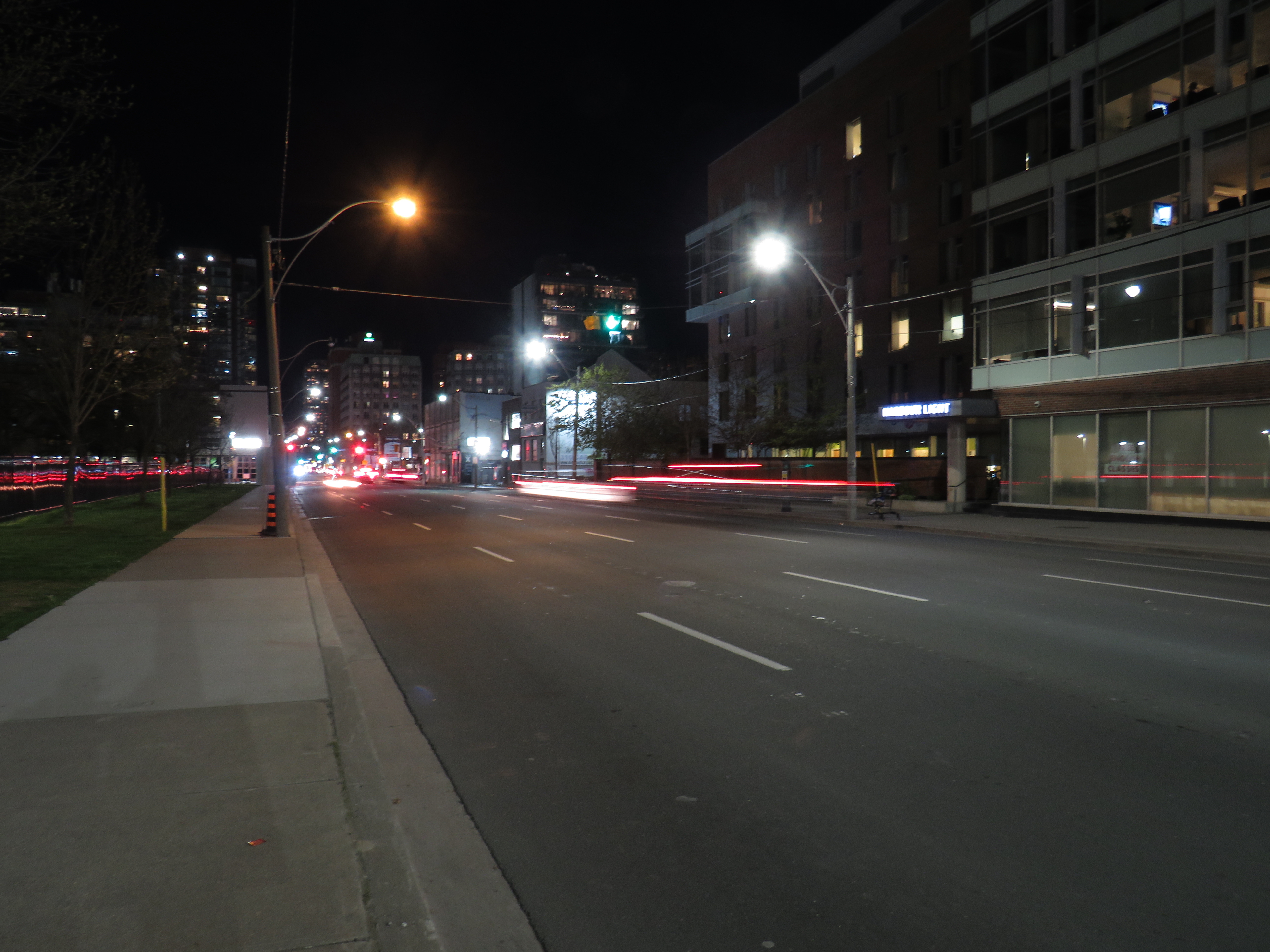
    Replacement high pressure sodium lamp on left, the white glow of Toronto’s classic “acorn” lamp on right.

    Street lighting is an important, yet overlooked, part of any city’s standard infrastructure. For over seventy years, Toronto’s streets were lit with an elegant and increasingly unique streetlamp design. But modern standards and a desire for standardization will see this change, just as Toronto’s streetcars and street signs have.

    Toronto Hydro, which is responsible for Toronto’s street lighting, is replacing the older “acorn” lamps with high pressure sodium (HPS) cobra head lamps (so-called due to their shape when seen from the top or bottom). While surrounding municipalities are switching to white-burning LED lights, Toronto Hydro is installing the older beige-orange glowing lamps.

    I asked Toronto Hydro what their long-term plans were for the city’s street lighting infrastructure. Read more on Spacing’s website.

  • Podcast News

    Podcast News

    This week, I appeared on two podcasts, talking about municipal open data, crowdsourced mapping projects, and Brampton’s success in building suburban transit ridership.

    For Spacing Radio’s Future Fix series, I spoke about a recent Walk Toronto initiative to map sidewalk pinch points during the early days of the COVID-19 pandemic. We used Google Maps to pinpoint specific locations where queues to enter grocery stores, pharmacies, and other essential businesses and services made physical distancing difficult or impossible.

    Through Walk Toronto’s social media accounts, we asked Torontonians where these locations were, then submitted a list to city staff and public health officials. Not long afterwards, CurbTO was announced to address this specific problem, the first of several initiatives that recognized the need to get outside.

    Also on the podcast are Shabnem Afzal, road safety manager for Surrey, British Columbia, speaking about that city’s Vision Zero plan, and Halifax City Councillor Waye Mason, who spoke about that city’s interactive map that allows its citizens identify spots where safe street interventions are needed.

    Just before the pandemic hit, I spoke with Helen Lee and Vincent Puhakka of the new podcast The Next Stop about Brampton Transit’s success, and the implications for other suburban transit agencies. Also on the podcast are Brampton Transit General Manager Alex Milojevic and Mayor Patrick Brown.

    I hope you have a listen to each of these podcasts, and consider subscribing.

  • The last run of the Rogers Road Streetcar

    f1526_fl0072_it0061-600x418.jpg
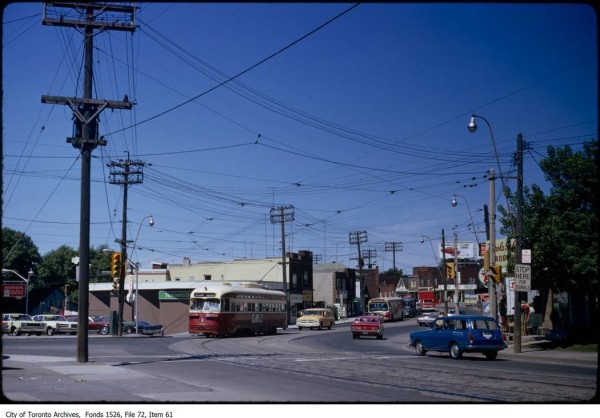
    Westbound Rogers Road Streetcar at Old Weston Road, 1972. Photograph from Toronto Archives – Fonds 1526, File 72, Item 61

    Forty-five years ago today, on Friday, July 19, 1974, the Rogers Road Streetcar made its last run. The route ran from a loop at St. Clair and Oakwood Avenue to Bicknell Loop, located on Rogers Road just west of Keele Street.

    The Toronto Transit Commission (TTC) had only recently abandoned its policy of eliminating the streetcar network in favour of buses and the planned Queen Street Subway. By the early 1970s, there were still nine streetcar lines in Toronto, along with two extra rush hour services.

    The TTC had to maintain a core fleet of streetcars to continue service until a new fleet could be delivered, and there was a shortage of streetcars in good condition. Despite the new commitment to continue operating a street railway, one more line would have to go. Rogers Road, the last of four streetcars operated for the Township (later Borough) of York, would be sacrificed. (It would not be the last streetcar route to disappear, however.)

    For nearly thirty years, service on Rogers Road was provided by trolley buses, a branch of the 63 Ossington route. While the TTC promised to extend the trolley bus to Jane Street (which was one of the reasons why York politicians supported the streetcar abandonment), it never happened. Instead, a shuttle bus route provided service along Alliance Avenue to Jane. Once the trolley bus network was scrapped in 1993, the TTC restructured several west-end routes. In 1994, the 161 Rogers Road bus finally provided the through service York had demanded for twenty years.

    In July 2014, before I started this blog, I wrote an article about the Rogers Road Streetcar for Spacing’s website, with the assistance of Steve Munro and author John F. Bromley. Five years later, it remains one of my favourite writing assignments.

    You can read the Spacing full article on here.

  • Toronto’s Transit Secrets

    img_6063.jpg

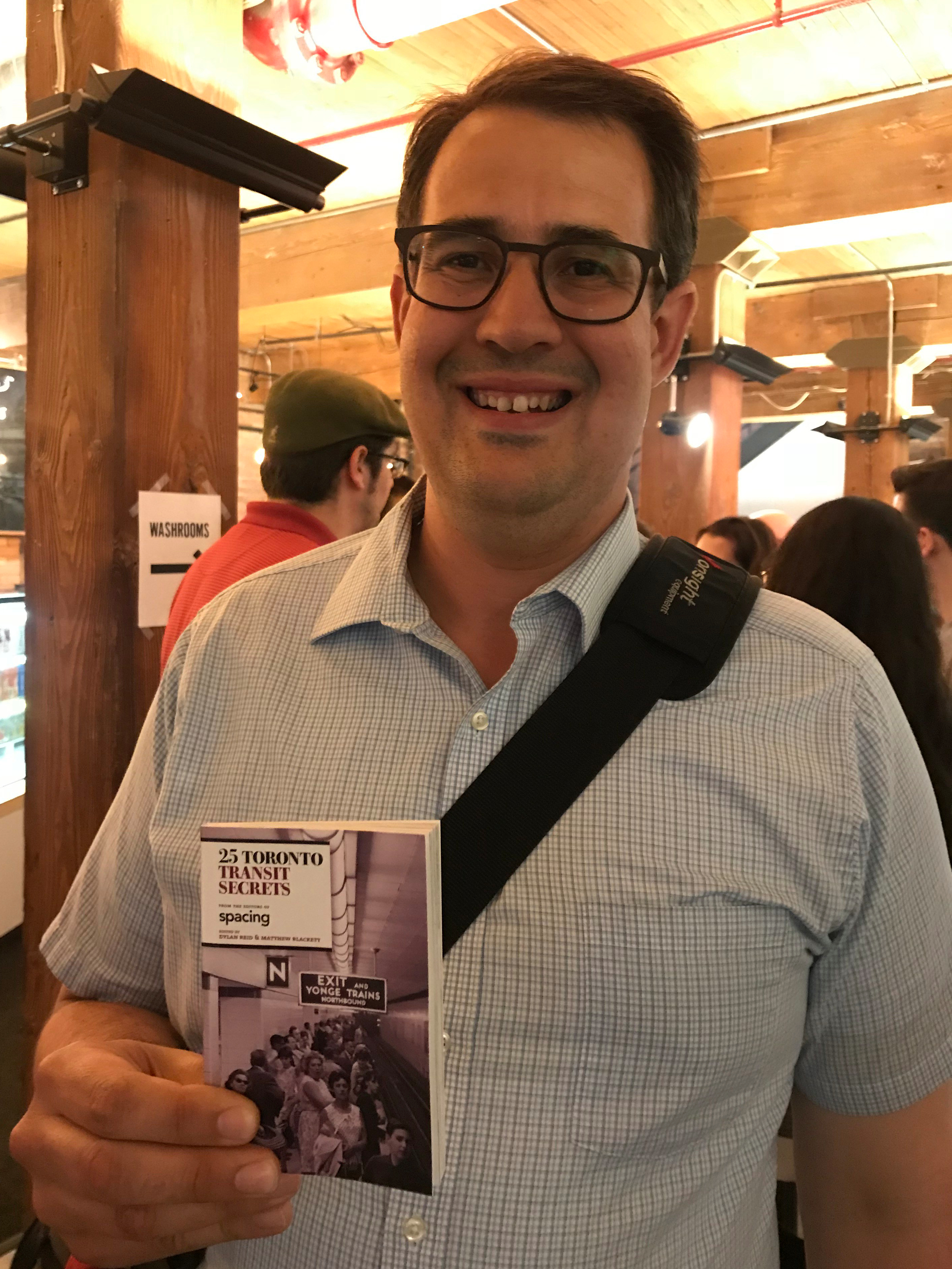
    Earlier this week, I attended a book launch at the Spacing Store at 401 Richmond Street West here in Toronto. While I have been to numerous book launches, often to support friends and colleagues, it was the first time it was for a book that I contributed to.

    As some of you may know, I am an occasional contributor to Spacing Magazine and Spacing’s website. My writing has allowed me to think and learn more about Toronto, and meet fellow engaged Torontonians. Spacing’s latest book, 25 Toronto Transit Secrets, contains stories, photographs, and maps that detail both the history and the operations of the TTC. For my part, I wrote about the ghostly reminders of abandoned streetcar routes, the history of the convoluted Harbord Streetcar, and what happens to the TTC’s streetcars when they’ve reached the end of the line.

    There are many other great stories as well. Read about the TTC’s safety mascot, Barney the Beaver, Toronto’s two ghost stations (Lower Bay and the lesser-known Lower Queen) and a history of the ferry service to Toronto Islands.

    25 Toronto Transit Secrets is edited by Dylan Reid and Matthew Blackett, who both deserve a lot of credit. Any writer knows that their work is dependent on editors not only proof-reading their work, but also providing guidance and support. I am always grateful for their encouragement and providing the opportunity to be published.

  • A farewell to 2017

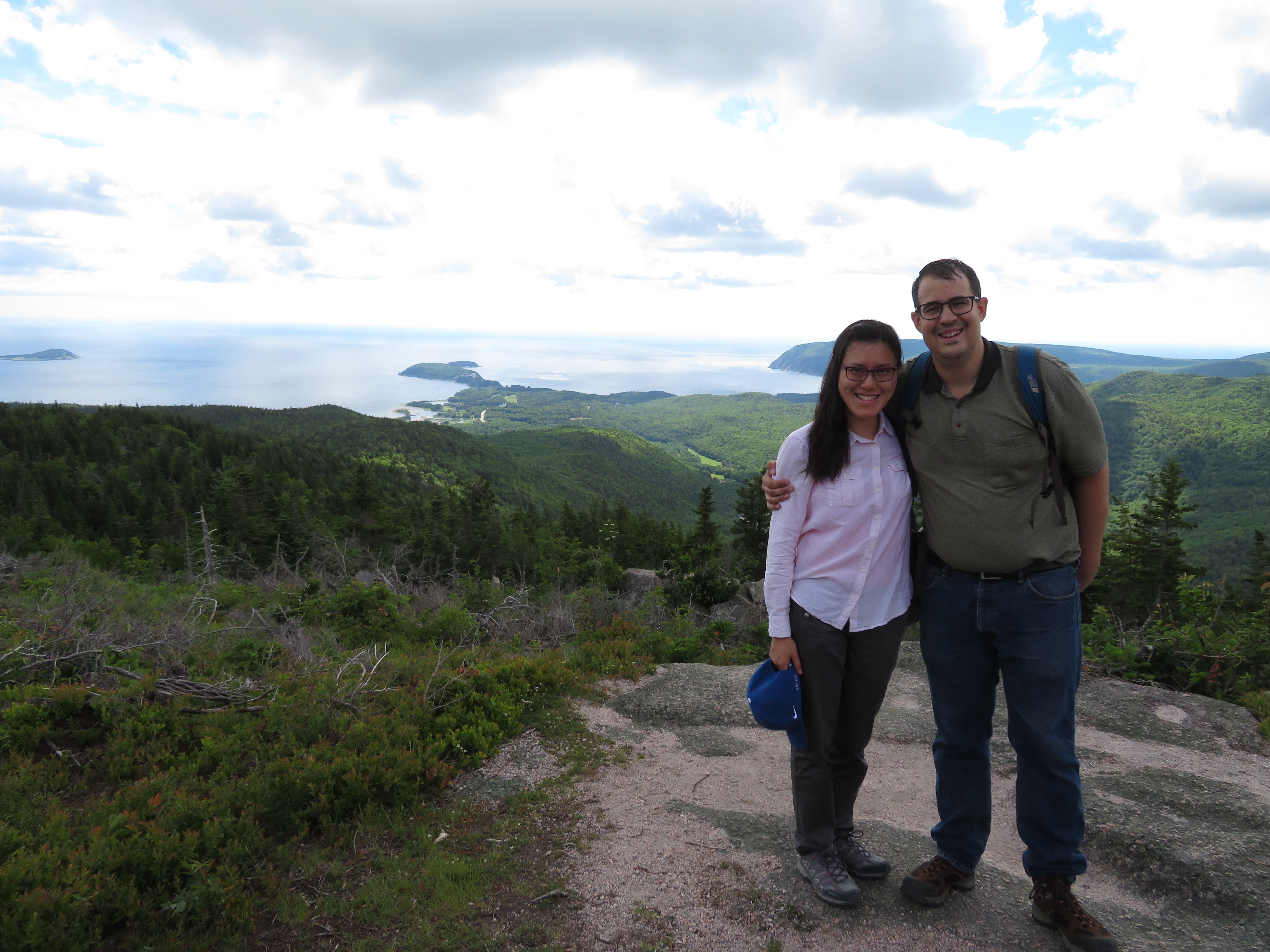
    IMG_0129-001At the top of the Franey Trail, Cape Breton National Park

    For me, 2017 was a great year. In June, I wrote about my life up to that point, looking back at some of the challenges I faced over the years, my ability to overcome them, and my accomplishments. I wrote that shortly before I got married to an amazing life partner, and together, we look forward to many great things.

    Elisa and I honeymooned out East, touring the Cabot Trail, Prince Edward Island, and Halifax before taking the train back home. We also visited Point Pelee for the first time, and made trips to Detroit, Chicago, and across Ontario, to places like Southampton, Sudbury, and Collingwood.

    I met a few new friends in 2017, and I also got to know some great people even better. Along with our own wedding, Elisa and I got to help celebrate three others this year.

    In Brockville, exploring the newly re-opened historic railway tunnel, I spent a few hours catching up with a high school friend who moved from Brampton to a town in Eastern Ontario. That was one of this year’s nice simple highlights. Day trips with friends and groups walks with others were another thing that made this year good. But also in 2017, I lost contact with a few people I knew, including another of my best friends from high school. I regret not keeping in closer contact; social media has its limitations.

    At my full time job, I stood up in front of an audience at an industry event, presenting the work that I did on an interesting interactive map that I developed. This year was one of  the most challenging years I had at work, but also one of the most fulfilling.

    2017 also marks the tenth year since I started writing on urban issues and transportation for fun. Spacing is one of my favourite publications, and it has been an honour to write for them on occasion. My first blog post described some of the places where Toronto’s old streetcars were sent to once they were retired by the TTC; my latest contribution, a full-page spread in the Fall 2017 issue of the print magazine, highlighted all the major transit projects across Canada planned or in progress. This year, I also wrote for Torontoist and TVO, and of course, in my own blog.
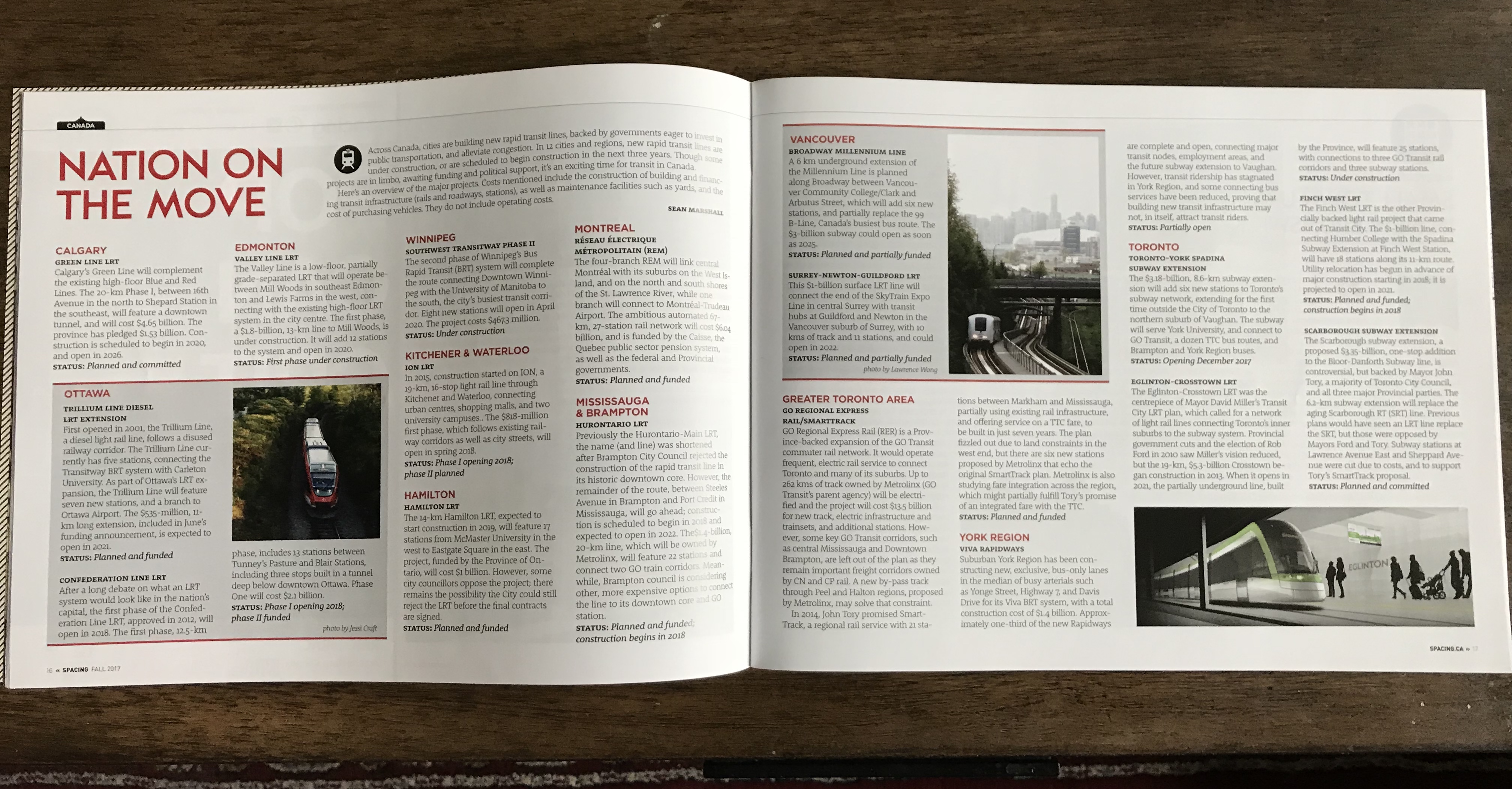
    IMG_1524.jpgNation on the move: my latest article in Spacing

    In 2018, I look forward to many things: a trip to see family and new places in Europe, catching up with friends, having some more writing opportunities, new challenges at work, and a municipal election, where three new wards will help deliver some new faces to Toronto City Council. Maybe, too, there will be a strong mayoral candidate worth supporting.

    My top six posts of 2017

    These six articles might not be the most read, but they are among my favourite posts in 2017. They all deal with some of my favourite subjects: urban planning, transit, and local history.

    • Ontario’s land use scandal: Another greenfield hospital for Niagara: A commentary on poor land use planning decisions (which I have discussed previously on this blog) which puts major health and educational institutions far from where people live, on sites difficult to serve by transit.
    • Hallam Street and the Harbord Streetcar: The history of Hallam Street in west end Toronto and the Harbord Streetcar, which was one Toronto’s most interesting carlines until it was abandoned in 1966.
    • How intercity bus service is failing Ontarians: my first article for TVO, I examine how the intercity bus network in Ontario declined since the 1980s, and how many communities in the province have since become disconnected.
    • A need for high speed rail reality: an article I posted to Spacing, as I express my skepticism for the province’s proposal for a high speed rail line between Toronto, Kitchener-Waterloo, and London, with a possible extension to Windsor. It’s an interesting contrast to the neglect paid to rural bus services.
    • Toronto’s Zero Vision and the folly of Seniors Safety Zones: Putting up a few new signs as part of a reluctant response to an unacceptable level of road violence isn’t  Vision Zero, it’s Zero Vision. As a pedestrian advocate and co-founder of Walk Toronto, I believe that the city does a lousy job of protecting its residents from injury and death on its roads.
    • Rosedale NIMBYs Push Back Against Four-Storey Condo: There are few things more fun than writing about entitled, unreasonable NIMBYs.