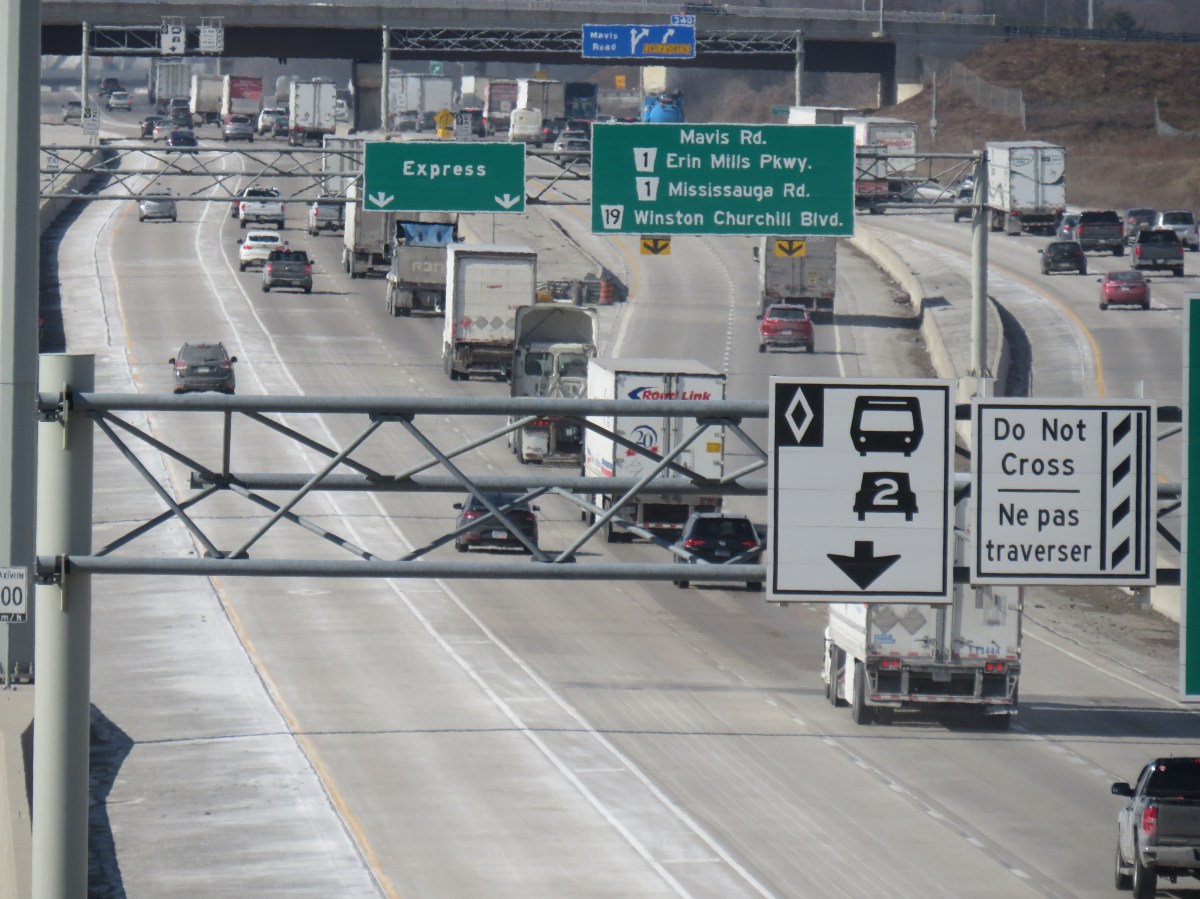
The HOV lanes on Ontario’s highways have become a mockery of their original stated intent. The Ford government’s latest motorist-friendly action may just be an acknowledgement that everyone has just given up.
 Sean Marshall
The HOV lanes on Ontario’s highways have become a mockery of their original stated intent. The Ford government’s latest motorist-friendly action may just be an acknowledgement that everyone has just given up.

Once again, Doug Ford wants to mess with local democracy. This time, it’s in Niagara Region, where amalgamation is touted without any clear benefits.
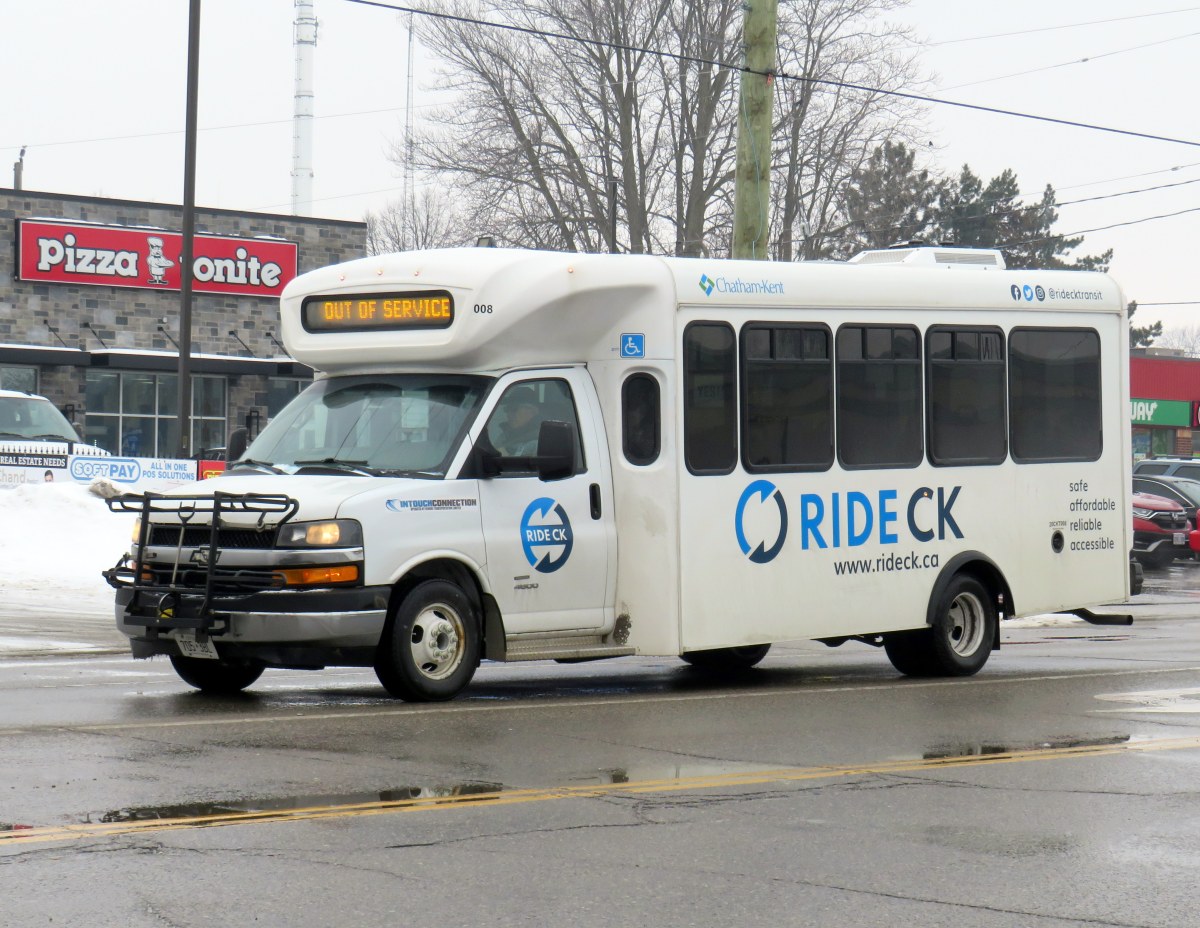
After amalgamation in 1998, Chatham-Kent has shown what transit in rural Ontario can look like with long-term commitment.
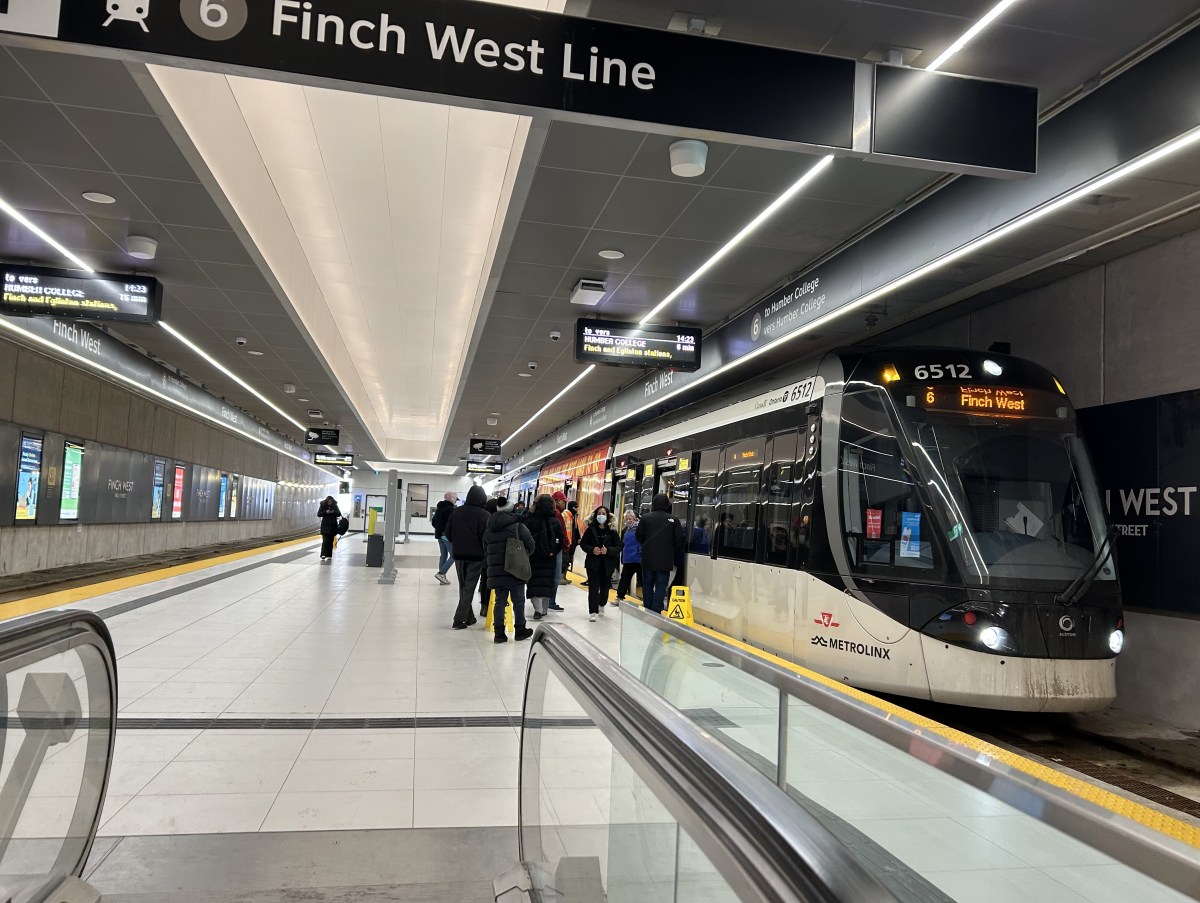
On Thursday, February 26, I went west on Finch Avenue from Scarborough to North York via the 939B Finch East Express bus to take another ride on Line 6, the problem-plagued Finch West LRT. After hearing of enhanced signal priority being introduced on Finch Avenue, I wanted to see if it had any effect on […]
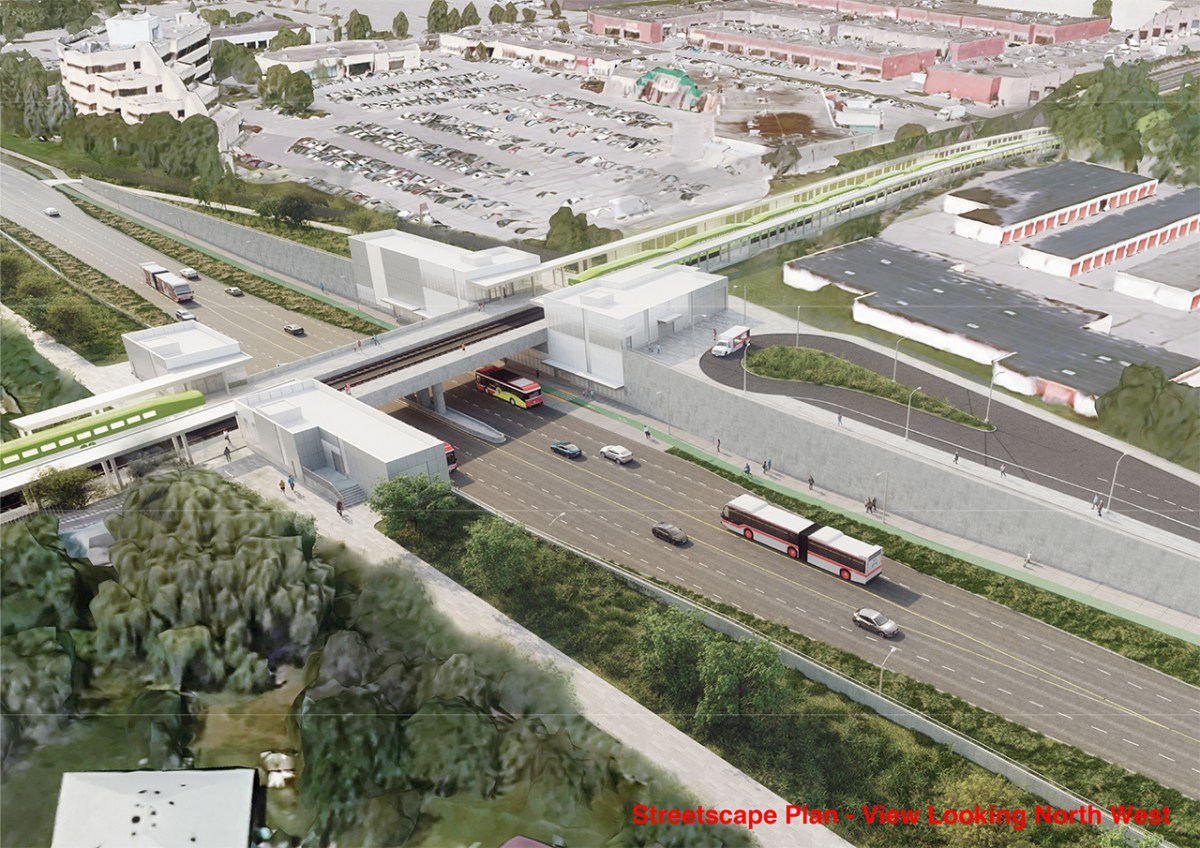
On Finch Avenue East in Scarborough, the SmartTrack name lives on at a recently cancelled transit station. Finch-Kennedy was only one of five “SmartTrack” stations left by the time its champion left office.
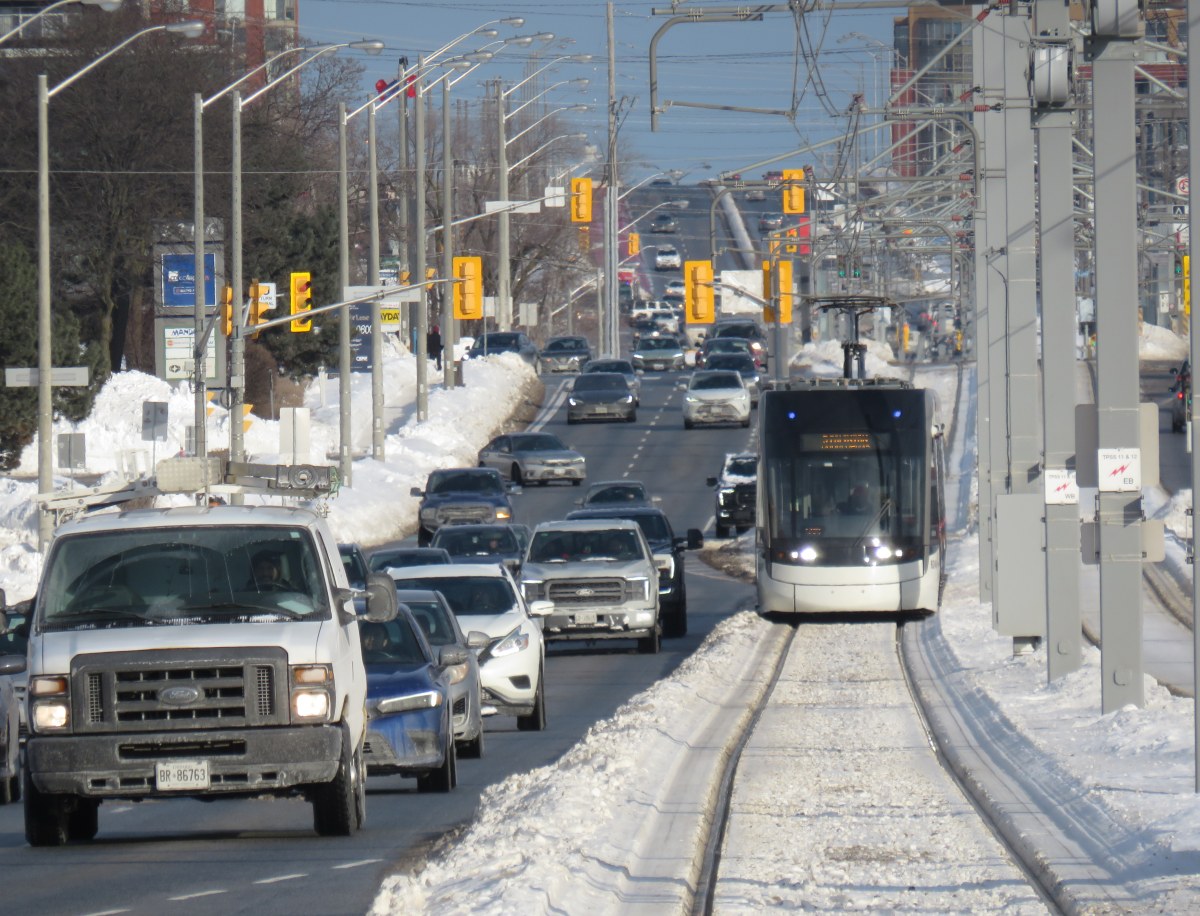
After an embarrassing start to Line 6 Finch West, the long-delayed Line 5 Eglinton-Crosstown quietly opened to great relief. The new LRT offers much-needed optimism for Toronto’s transit future.
The Sunday, February 8 opening of the Eglinton-Crosstown is confirmed, along with some major changes to the bus network. But there will be no public celebration for this long-delayed transit project.
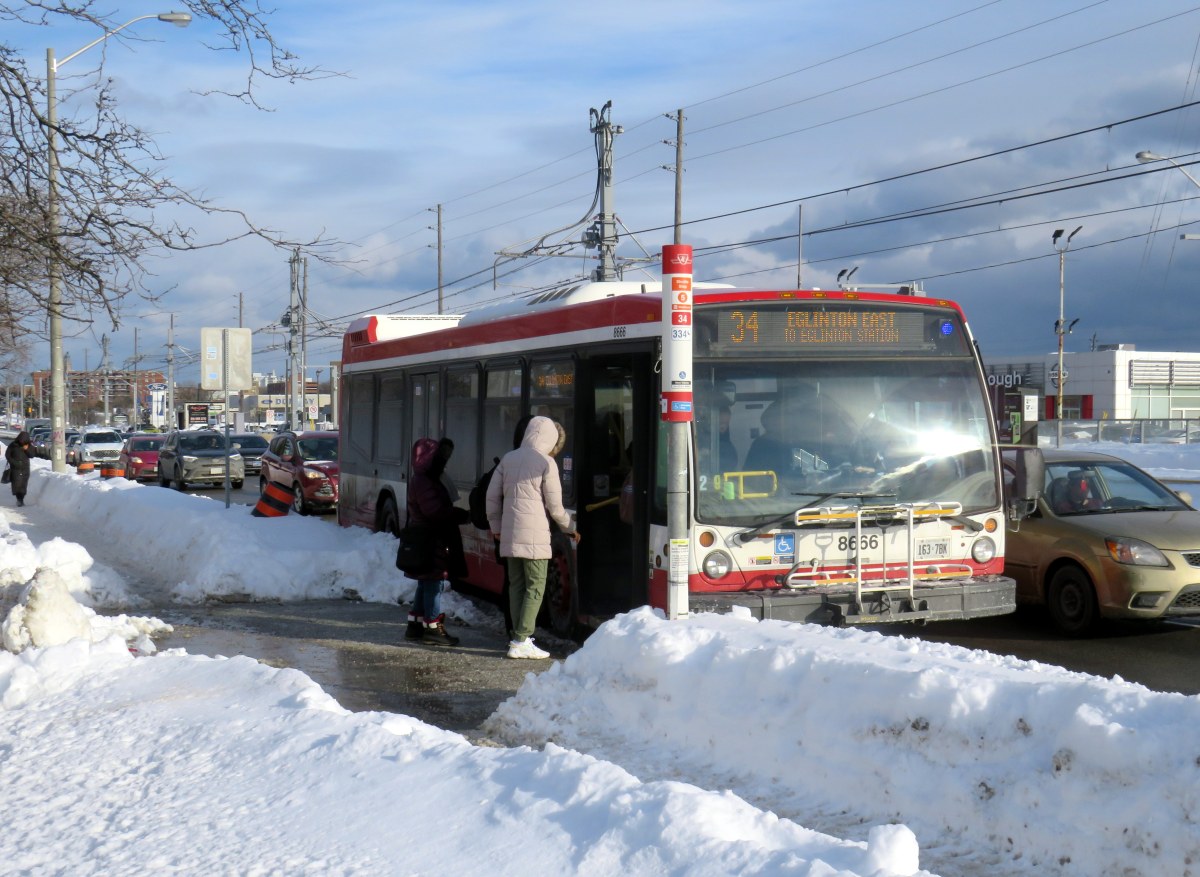
The Eglinton-Crosstown LRT will soon open, finally, and it should be significantly faster than the local buses it replaces. There are reasons to be hopeful that this project will be more successful than the Finch West LRT, but it also has a lot more riding on its performance.
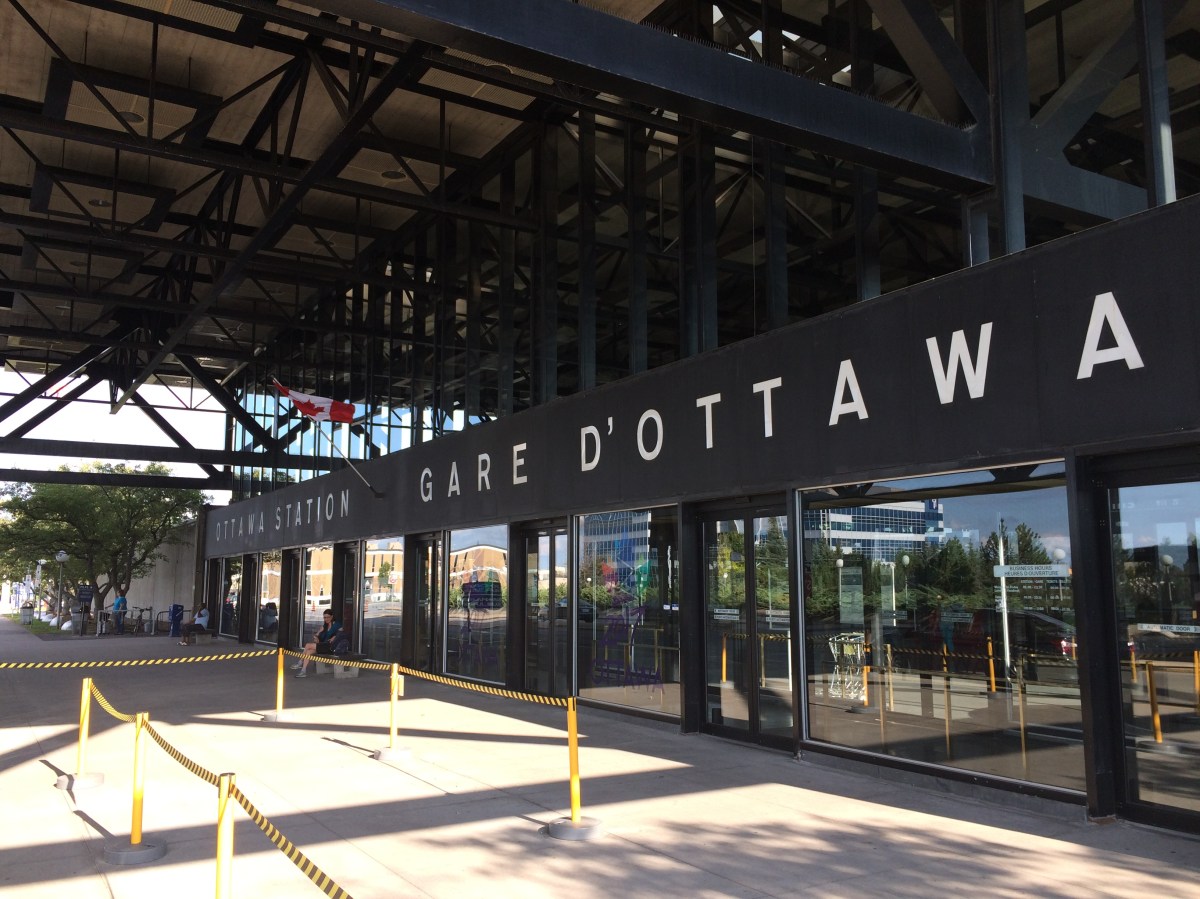
The idea of returning passenger trains to Ottawa’s beautiful downtown Union Station is very attractive. However, the current VIA station offers several key advantages for Alto that the old terminal can not match.
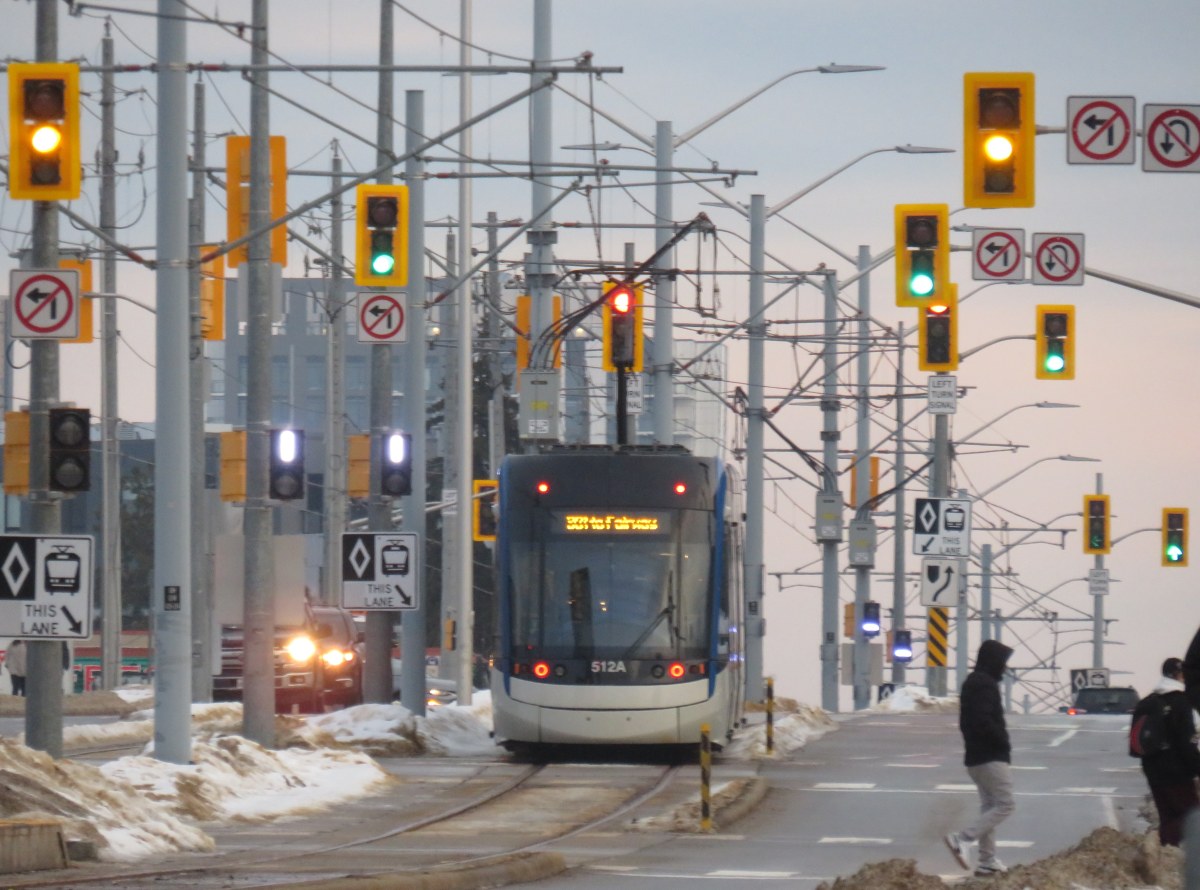
With proper signal priority, reliable service, and a flexible route, Waterloo Region’s LRT is a good example of a successful transit service and planning tool. Though it has a few issues – including some slow sections and a restrictive operating contract – Ion works well.

 Sean Marshall