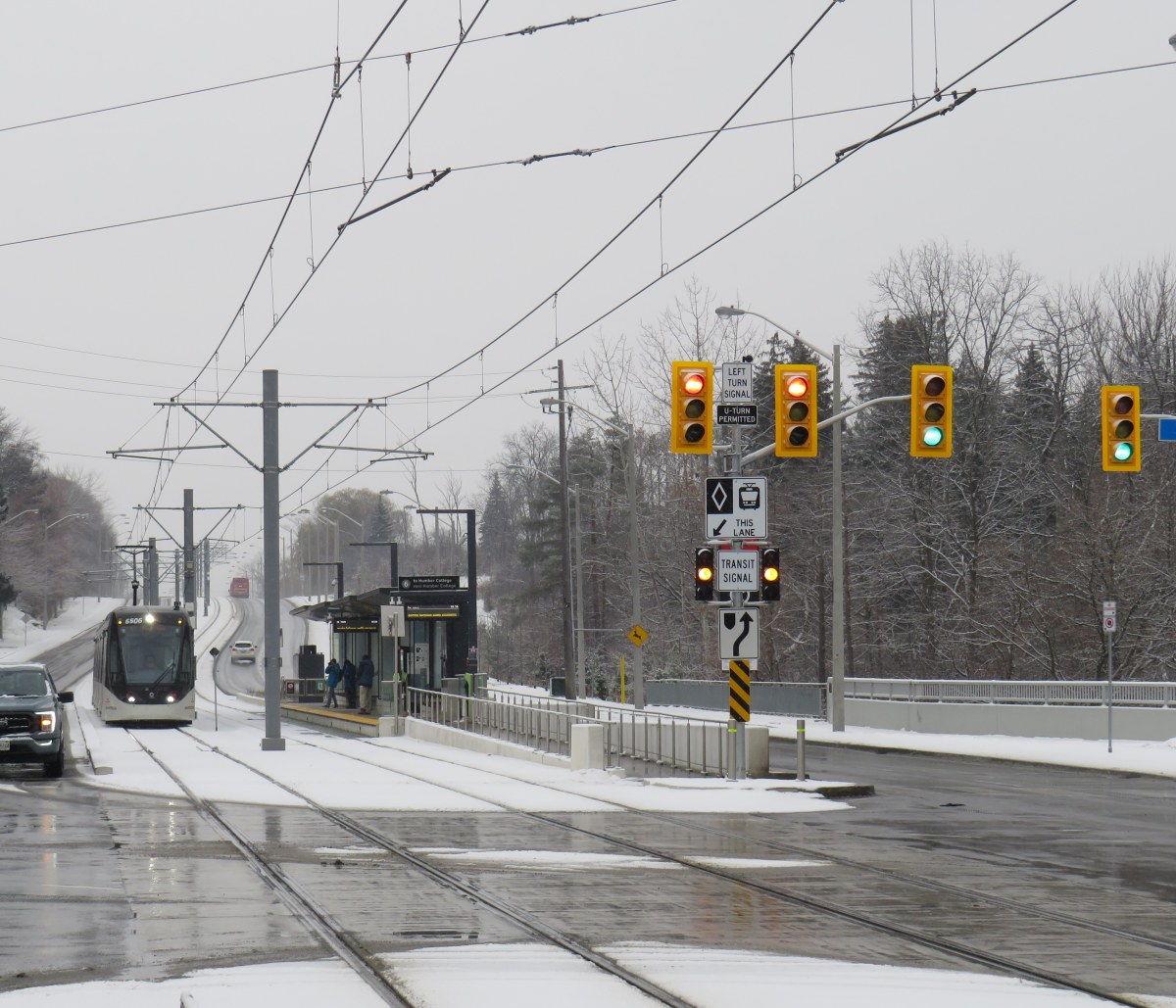
There’s not one easy fix for the Finch West LRT. Not only does it need transit signal priority, but it needs tighter schedules and better operations to live up to early promises.
 Sean Marshall
There’s not one easy fix for the Finch West LRT. Not only does it need transit signal priority, but it needs tighter schedules and better operations to live up to early promises.
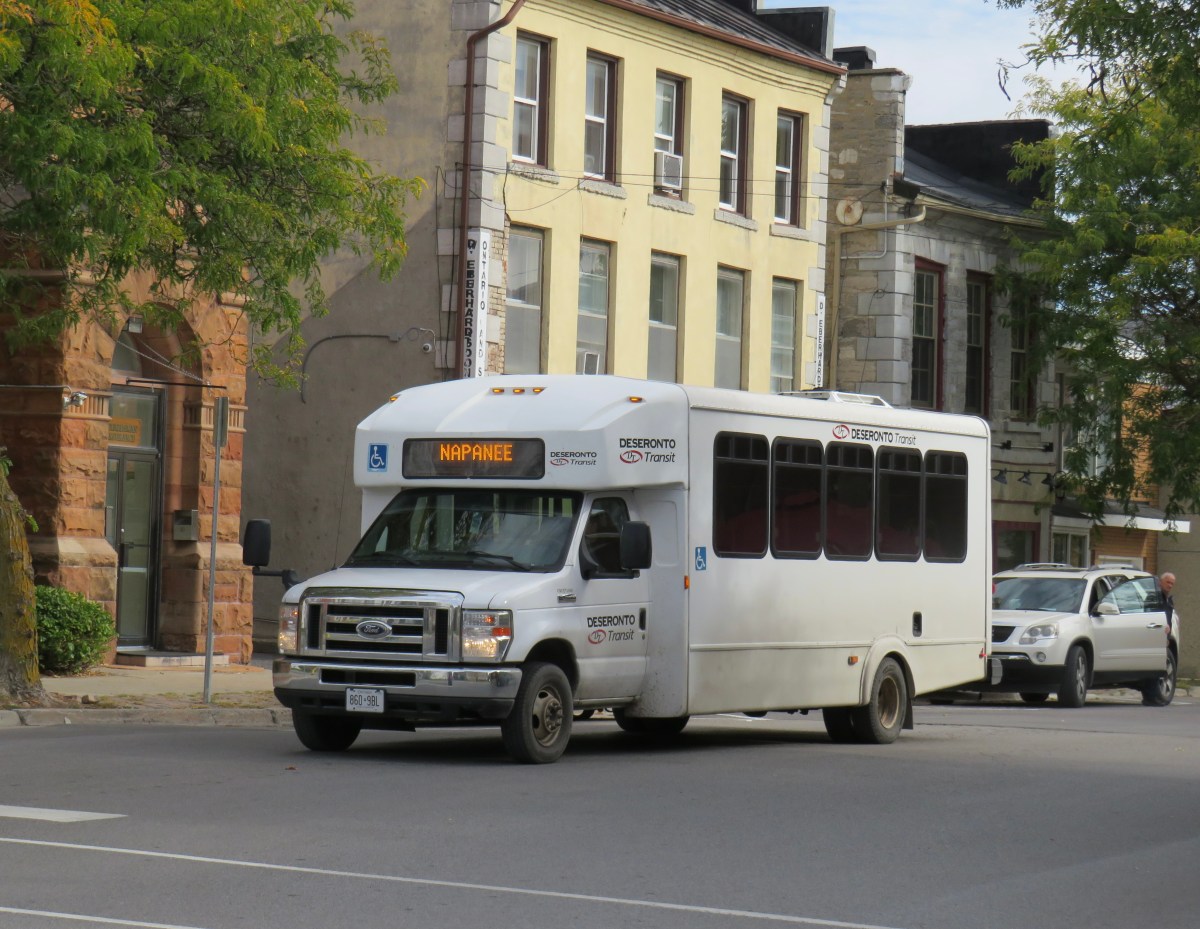
Some progress and some disappointing losses in Canada’s intercity transportation links in 2025.
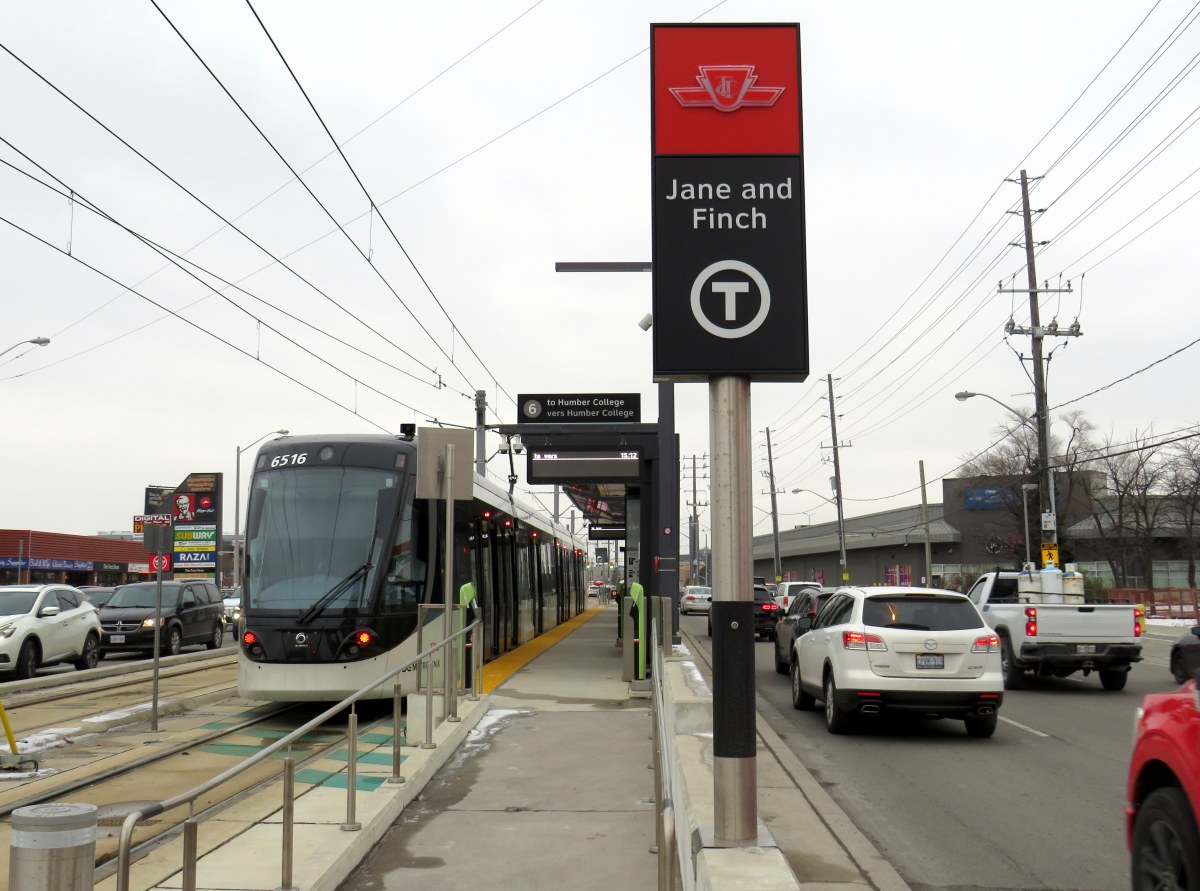
Can a brand-new light rail line outrun the local bus it will soon replace? I went out to Finch Avenue West to see for myself.
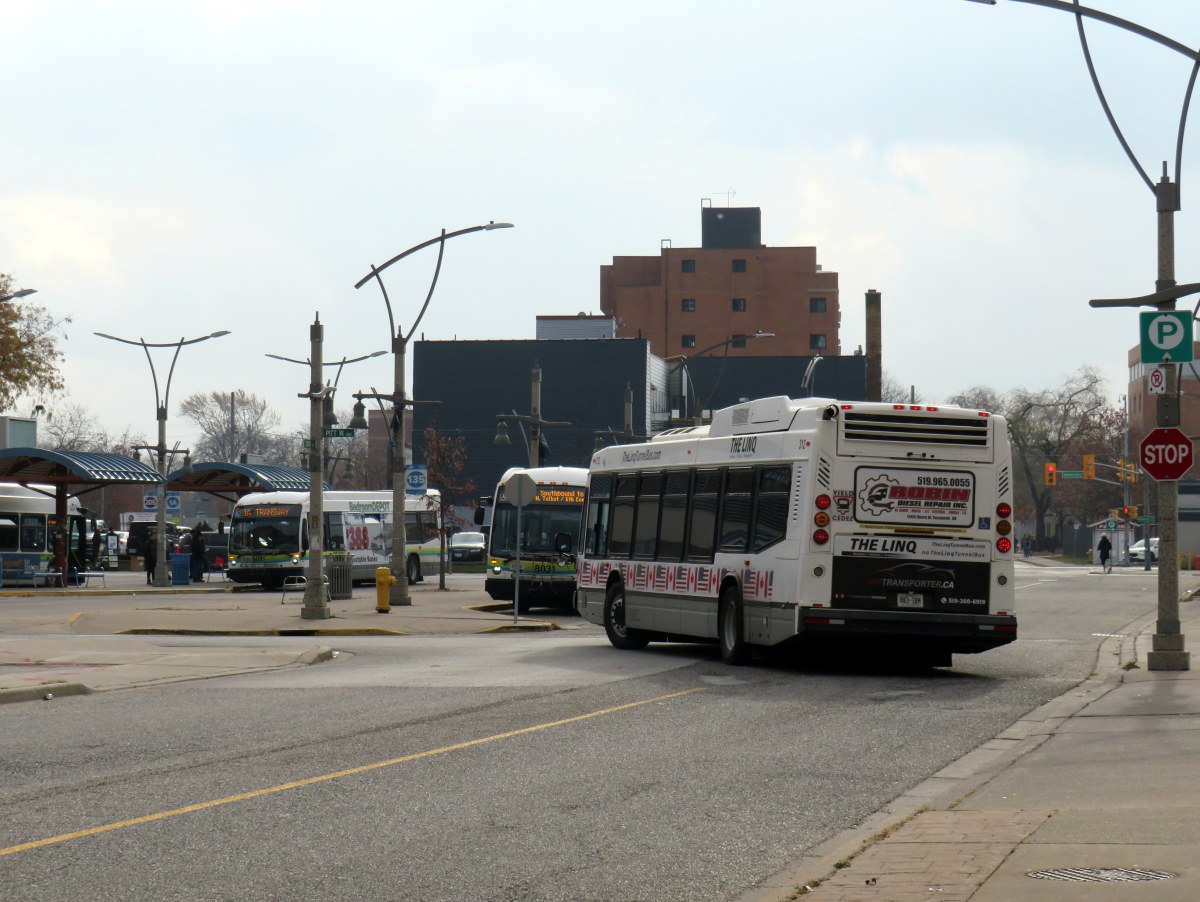
Windsor, Ontario’s history is shaped by transportation. Sadly, its local and regional transit services are neglected, despite the needs of a a busy city-region.
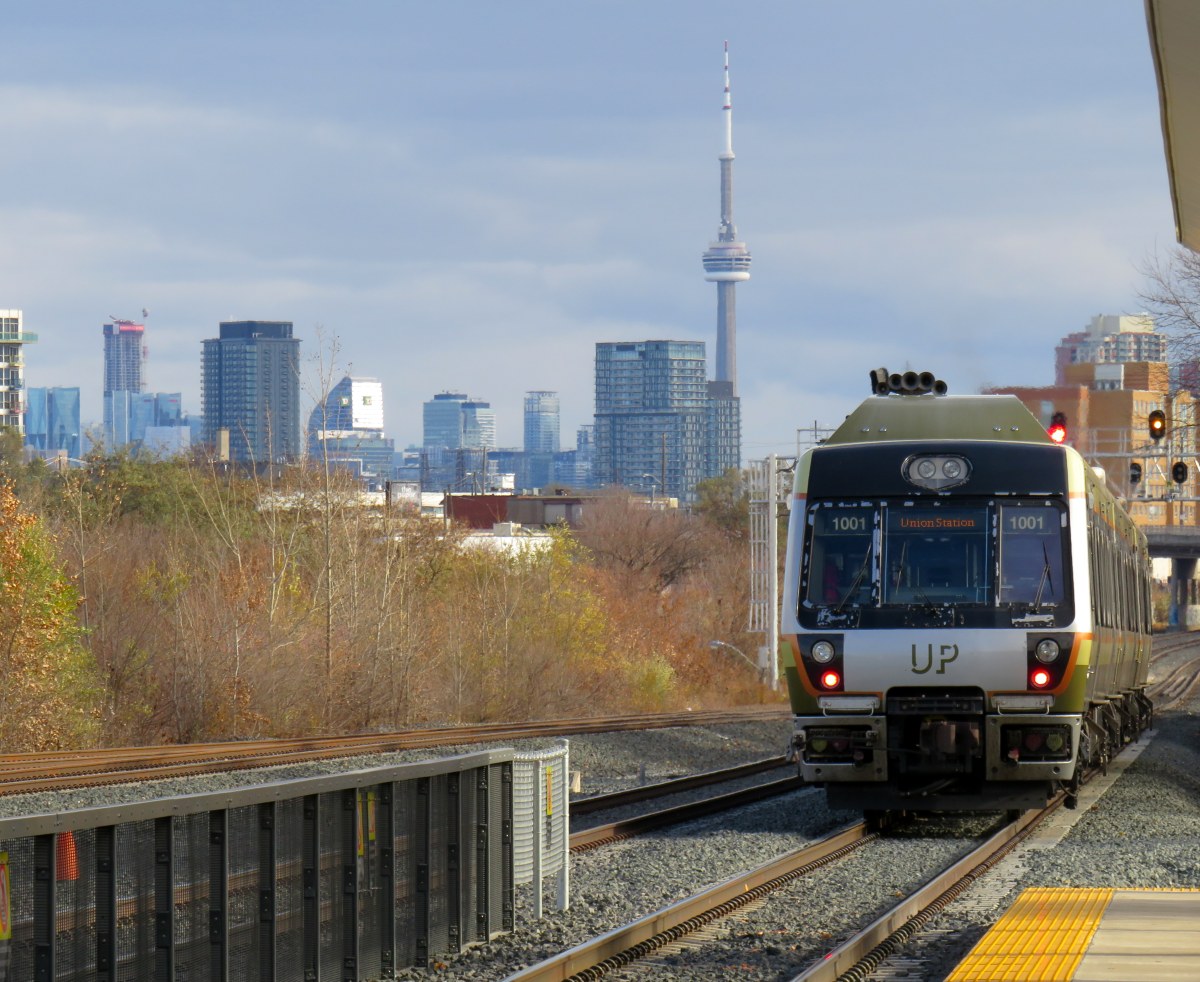
Toronto’s newest transit hub is only half-opened, but it provides a preview of the region’s upcoming new transit links. Despite a decent layout and good incorporation of local heritage, some tweaks for improved wayfinding are necessary.
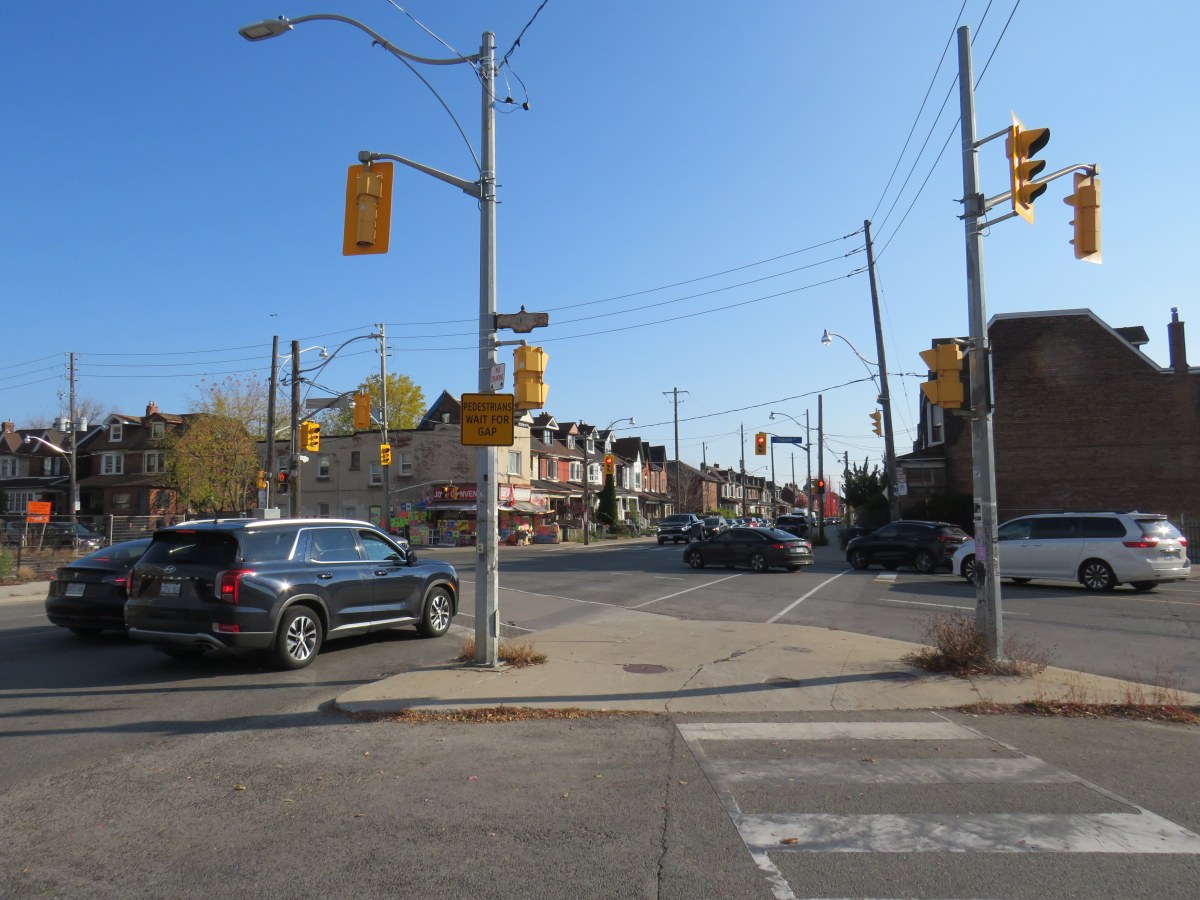
While slip lanes facilitate vehicle movement, they have a significant impact on the safety and comfort of pedestrians. Though the City of Toronto has been proactive in removing or modifying slip lanes, there is still much more work to do.
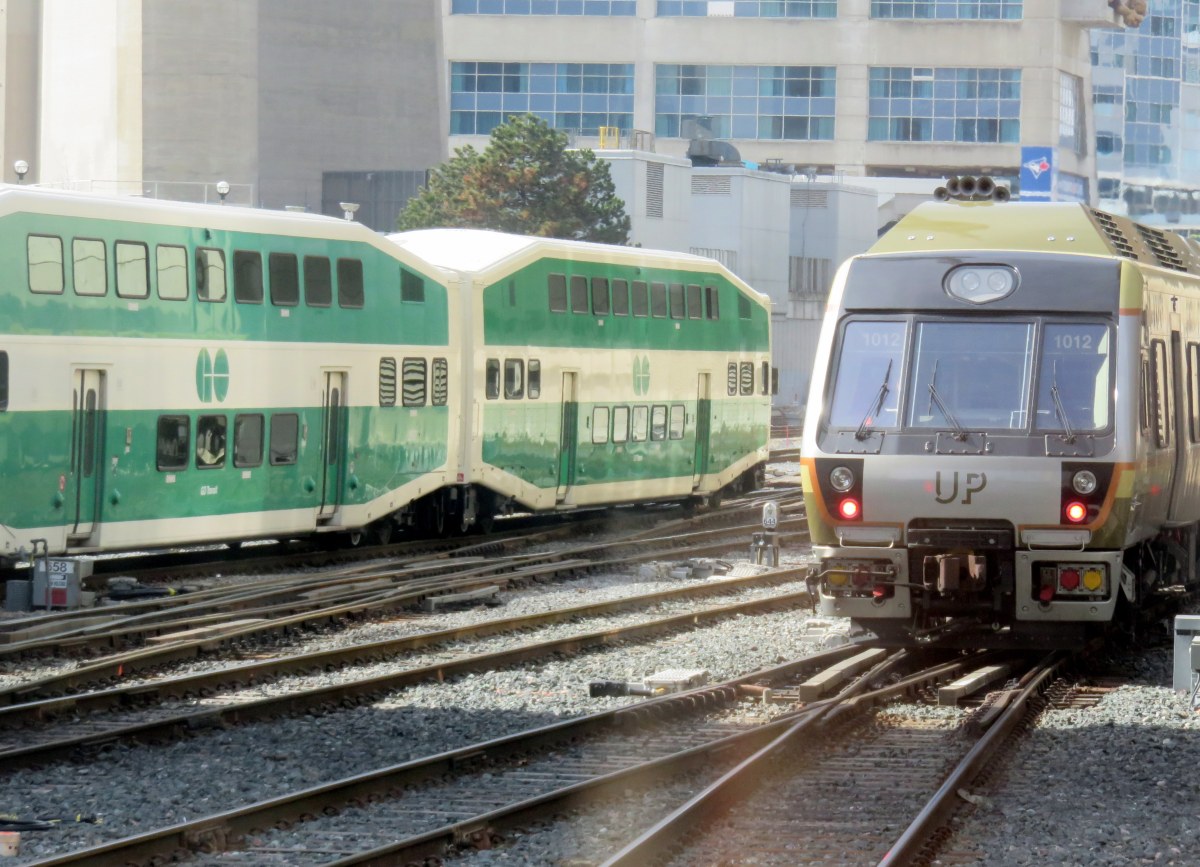
Metrolinx is looking to serve new Kitchener Line SmartTrack stations with its UP Express trains only. It’s only fair that the transit agency comes clean to transit riders on how it will make this work.
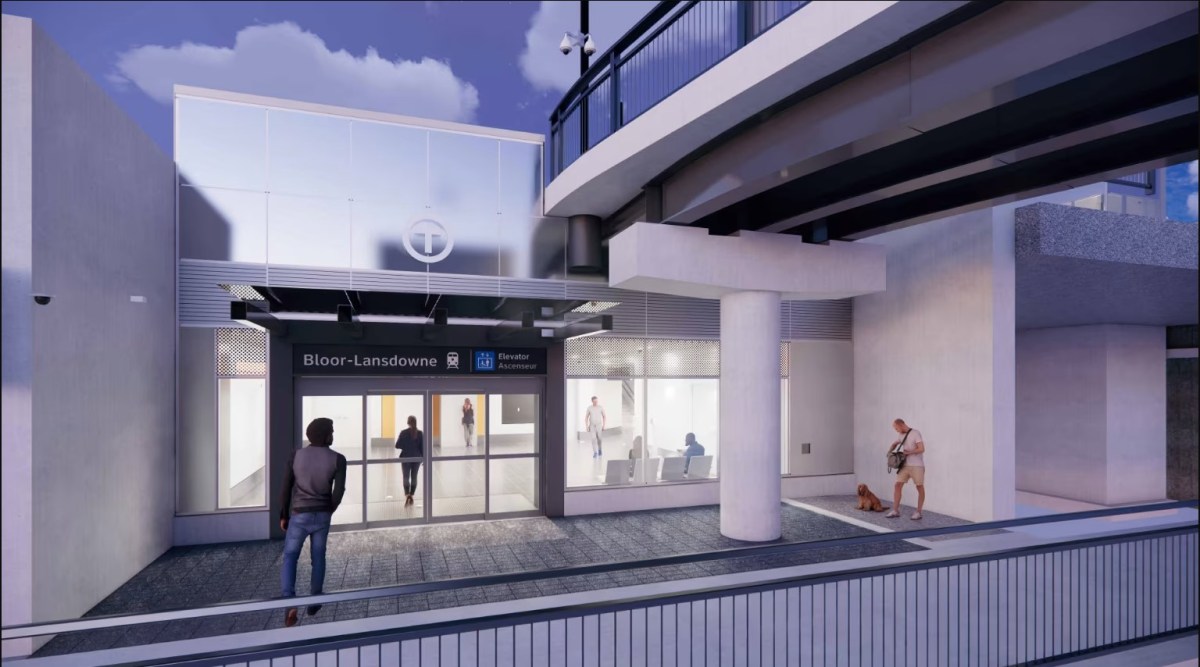
Bloor-Lansdowne Station, now under construction, will have one of the worst GO-TTC transfers of any connection point, and will have very limited ridership potential
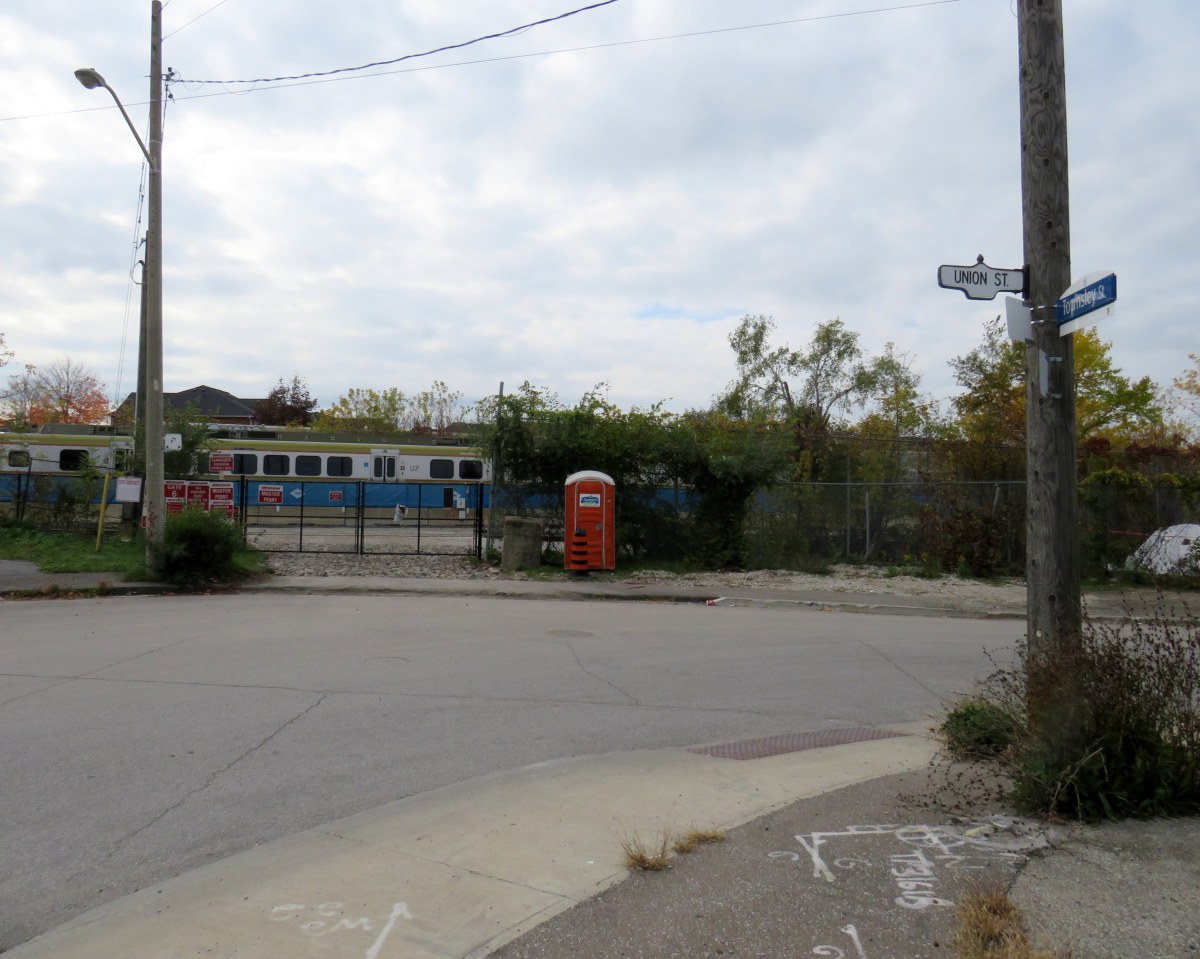
St. Clair-Old Weston Road, while a worthwhile idea, needs to be rethought to attract the most ridership
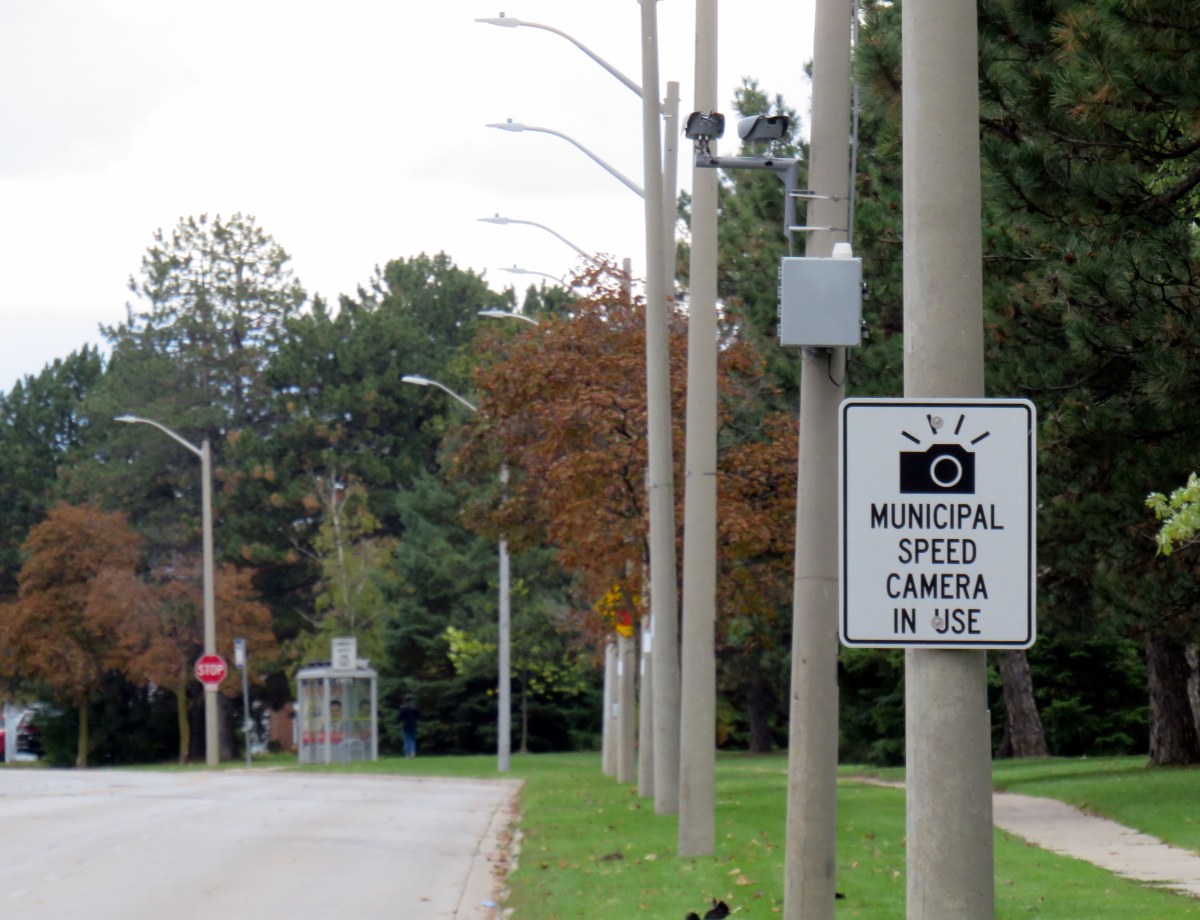
Speed enforcement cameras are a very helpful tool that are proven to reduce speeds in residential areas. But they are just one tool.
The province needs to let municipalities lead the way, rather than just serve entitled motorists. One Brampton street shows why.

 Sean Marshall